

Give the Gift of Choice!
Too many options? Treat your friends and family to their favourite stores with a Bayshore Shopping Centre gift card, redeemable at participating retailers throughout the centre. Click below to purchase yours today!Purchase HereHome
Giving Space to African Voices: Rights Local Languages and Curriculum
Coles
Loading Inventory...
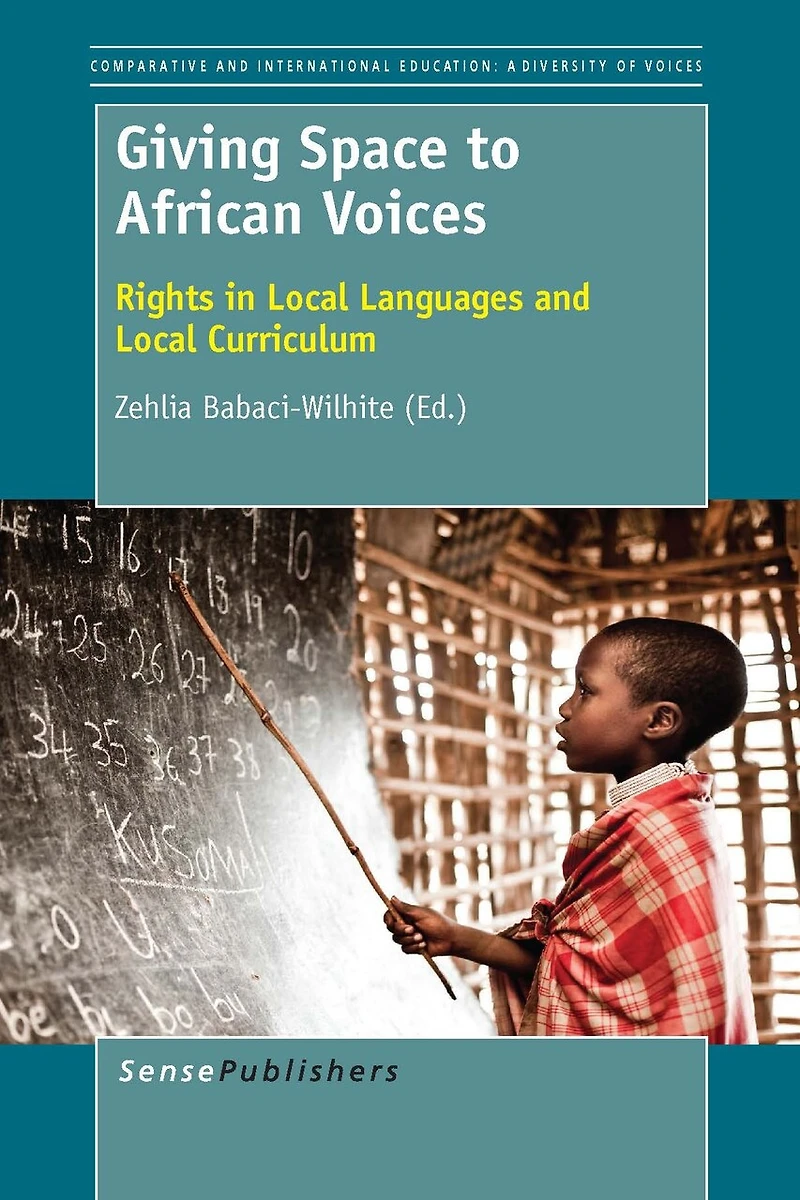
Giving Space to African Voices: Rights Local Languages and Curriculum in Ottawa, ON
Current price: $146.99

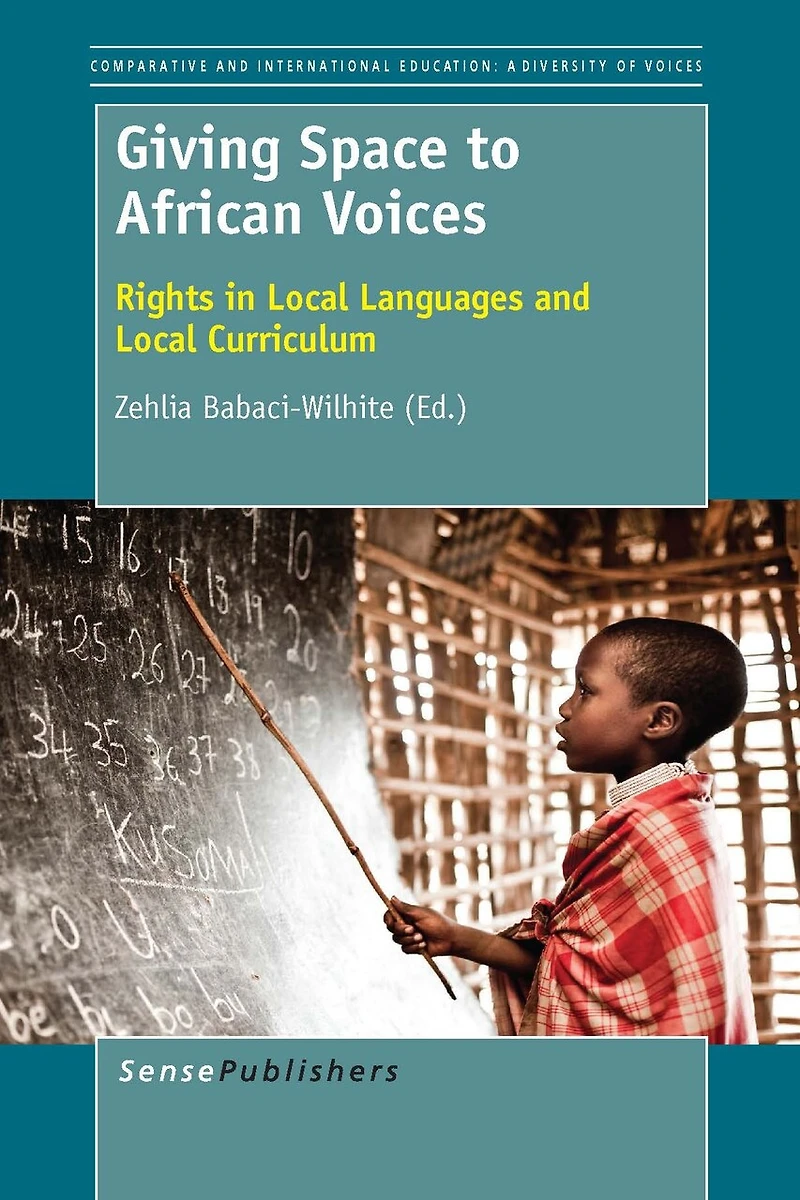
Giving Space to African Voices: Rights Local Languages and Curriculum in Ottawa, ON
Current price: $146.99
Loading Inventory...
Size: Hardcover
*Product information may vary - to confirm product availability, pricing, shipping and return information please contact Coles
This book sets out to bring voices of the South to the debate on localization of education and makes the case that it should be considered a right in education. Despite all the scientifically-based evidence on the improved quality of education through the use of a local language and local knowledge, English as a language of instruction and “Western” knowledge based curriculum continue to be used at all educational levels in many developing nations. This means that in many African countries, the goal of rights to education is becoming increasingly remote, let alone that of rights in education. With this understanding and with the awareness of the education challenges of millions of children throughout Africa, the authors argue that local curriculum through local languages needs to be valued and to be preserved, and that children need to be prepared for the world in a language that promotes understanding. The authors make a clear case that policy makers are in a position to work towards a quality education for all as part of a more comprehensive right-based approach. We owe it to the children of the South to offer the best quality education possible in order to achieve social justice.
This book sets out to bring voices of the South to the debate on localization of education and makes the case that it should be considered a right in education. Despite all the scientifically-based evidence on the improved quality of education through the use of a local language and local knowledge, English as a language of instruction and “Western” knowledge based curriculum continue to be used at all educational levels in many developing nations. This means that in many African countries, the goal of rights to education is becoming increasingly remote, let alone that of rights in education. With this understanding and with the awareness of the education challenges of millions of children throughout Africa, the authors argue that local curriculum through local languages needs to be valued and to be preserved, and that children need to be prepared for the world in a language that promotes understanding. The authors make a clear case that policy makers are in a position to work towards a quality education for all as part of a more comprehensive right-based approach. We owe it to the children of the South to offer the best quality education possible in order to achieve social justice.
You May Also Like








More About Coles at Bayshore Shopping Centre
Coles is renowned for its outstanding customer service and great selection of books. Along with the vast array of magazines, stationary, audio-books, children's literature, fiction, non-fiction and reference books, you can find accessories to make your reading experience more pleasurable. We can recommend the very best in reading today. We will help you search our titles for exactly what you need, and if we do not have it in stock, we will order it for you.
100 Bayshore Dr, Nepean, ON K2B 8C1, Canada
Find Coles at Bayshore Shopping Centre in Ottawa, ON
Visit Coles at Bayshore Shopping Centre in Ottawa, ON