

Give the Gift of Choice!
Too many options? Treat your friends and family to their favourite stores with a Bayshore Shopping Centre gift card, redeemable at participating retailers throughout the centre. Click below to purchase yours today!Purchase HereHome
Global Agriculture and the American Farmer: Opportunities for U.S. Leadership
Coles
Loading Inventory...
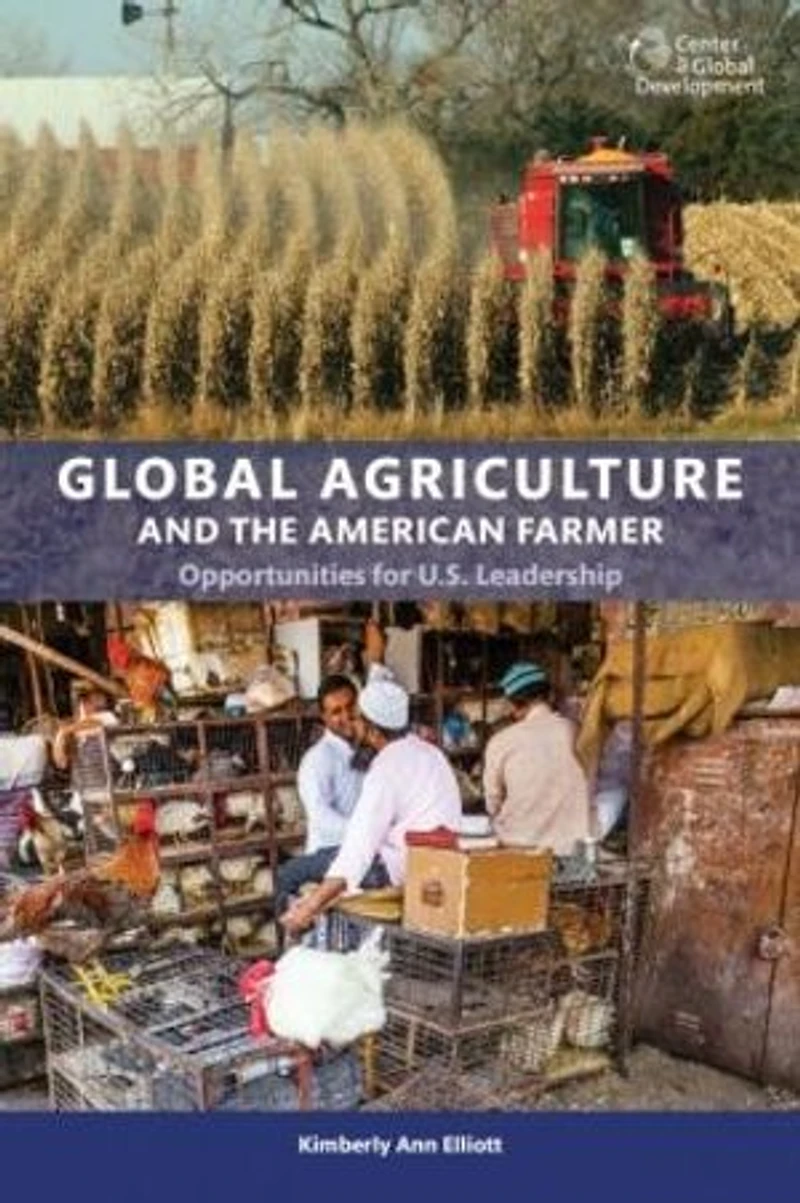
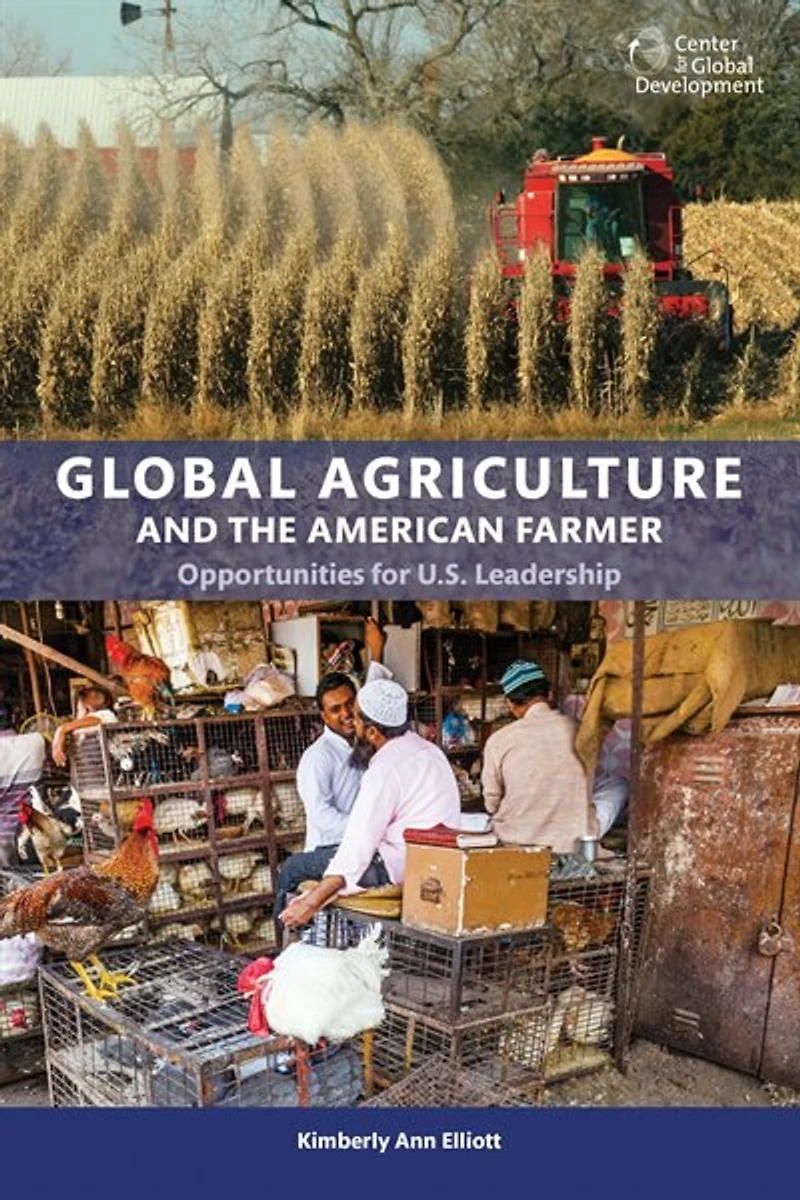
Global Agriculture and the American Farmer: Opportunities for U.S. Leadership in Ottawa, ON
Current price: $11.99
Original price: $14.99

Global Agriculture and the American Farmer: Opportunities for U.S. Leadership in Ottawa, ON
Current price: $11.99
Original price: $14.99
Loading Inventory...
Size: Kobo eBook
*Product information may vary - to confirm product availability, pricing, shipping and return information please contact Coles
The United States is one of the world’s largest producers and exporters of a range of agricultural commodities, and the largest provider of foreign assistance, so U.S. policies have big effects on global food security and other global public goods linked to agriculture. On the positive side of the ledger, President Obama created the Feed the Future aid initiative to promote agricultural development in poorer countries as a tool to achieve the global goals of ending hunger and extreme poverty, which are mostly rural. But that generosity is undercut by U.S. support for farmers that distorts global markets and ignores negative spillovers for the rest of the world.
In this book, Elliott focuses on three policy areas that are particularly damaging for developing countries: traditional agricultural subsidy and trade policies that support the incomes of American farmers at the expense of farmers elsewhere; the biofuels mandate, which in its current form increases market volatility while doing little if anything to mitigate climate change; and weak regulation of antibiotic use in livestock, which contributes to the global spread of drug-resistant super bugs. While noting that broad reforms are needed to fix these problems, Elliott also identifies practical steps that U.S. policymakers could take in the relatively short run to improve farm policies—for American taxpayers and consumers as well as for the poor and vulnerable in developing countries.
The United States is one of the world’s largest producers and exporters of a range of agricultural commodities, and the largest provider of foreign assistance, so U.S. policies have big effects on global food security and other global public goods linked to agriculture. On the positive side of the ledger, President Obama created the Feed the Future aid initiative to promote agricultural development in poorer countries as a tool to achieve the global goals of ending hunger and extreme poverty, which are mostly rural. But that generosity is undercut by U.S. support for farmers that distorts global markets and ignores negative spillovers for the rest of the world.
In this book, Elliott focuses on three policy areas that are particularly damaging for developing countries: traditional agricultural subsidy and trade policies that support the incomes of American farmers at the expense of farmers elsewhere; the biofuels mandate, which in its current form increases market volatility while doing little if anything to mitigate climate change; and weak regulation of antibiotic use in livestock, which contributes to the global spread of drug-resistant super bugs. While noting that broad reforms are needed to fix these problems, Elliott also identifies practical steps that U.S. policymakers could take in the relatively short run to improve farm policies—for American taxpayers and consumers as well as for the poor and vulnerable in developing countries.
You May Also Like







More About Coles at Bayshore Shopping Centre
Coles is renowned for its outstanding customer service and great selection of books. Along with the vast array of magazines, stationary, audio-books, children's literature, fiction, non-fiction and reference books, you can find accessories to make your reading experience more pleasurable. We can recommend the very best in reading today. We will help you search our titles for exactly what you need, and if we do not have it in stock, we will order it for you.
100 Bayshore Dr, Nepean, ON K2B 8C1, Canada
Find Coles at Bayshore Shopping Centre in Ottawa, ON
Visit Coles at Bayshore Shopping Centre in Ottawa, ON