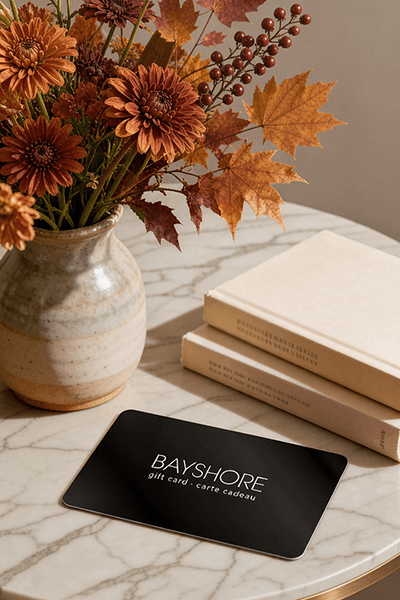
Too many options? Treat your friends and family to their favourite stores with a Bayshore Shopping Centre gift card, redeemable at participating retailers throughout the centre. Click below to purchase yours today!Purchase Here
*Product information may vary - to confirm product availability, pricing, shipping and return information please contact Coles
Millets have gained widespread global recognition for their role in ensuring food security, advancing sustainable agriculture, and strengthening climate resilience. The United Nations General Assembly (UNGA) declared 2023 as the International Year of Millets (IYM 2023), following India's initiative, to highlight their potential in addressing global food and environmental challenges. These nutrient-dense grains, rich in essential minerals, fiber, and antioxidants, are naturally gluten-free, making them a key solution for health and food security. Their ability to thrive in drought-prone regions with minimal water and chemical inputs reinforces their significance in ecological sustainability. With a low carbon footprint and compatibility with regenerative agriculture, millets contribute to climate resilience while ensuring long-term food availability through their extended shelf life. Beyond environmental benefits, millets support economic security, empowering farmers, rural economies, and sustainable markets by reducing dependence on resource-intensive staple crops. Recognizing their value, global organizations like the FAO, WFP, and ICRISAT actively promote millets through nutrition programs, agricultural policies, and climate adaptation strategies. Rising consumer awareness has further driven market expansion, with industries investing in millet-based products and functional foods. Ongoing research collaborations continue to enhance production, reinforcing their role in building a resilient, sustainable food system worldwide. Global Millets Production for a Sustainable Future delves deeply into the global millets production landscape, offering a comprehensive examination of these resilient and nutritious crops and their potential to address pressing issues of food security and environmental sustainability.
Millets have gained widespread global recognition for their role in ensuring food security, advancing sustainable agriculture, and strengthening climate resilience. The United Nations General Assembly (UNGA) declared 2023 as the International Year of Millets (IYM 2023), following India's initiative, to highlight their potential in addressing global food and environmental challenges. These nutrient-dense grains, rich in essential minerals, fiber, and antioxidants, are naturally gluten-free, making them a key solution for health and food security. Their ability to thrive in drought-prone regions with minimal water and chemical inputs reinforces their significance in ecological sustainability. With a low carbon footprint and compatibility with regenerative agriculture, millets contribute to climate resilience while ensuring long-term food availability through their extended shelf life. Beyond environmental benefits, millets support economic security, empowering farmers, rural economies, and sustainable markets by reducing dependence on resource-intensive staple crops. Recognizing their value, global organizations like the FAO, WFP, and ICRISAT actively promote millets through nutrition programs, agricultural policies, and climate adaptation strategies. Rising consumer awareness has further driven market expansion, with industries investing in millet-based products and functional foods. Ongoing research collaborations continue to enhance production, reinforcing their role in building a resilient, sustainable food system worldwide. Global Millets Production for a Sustainable Future delves deeply into the global millets production landscape, offering a comprehensive examination of these resilient and nutritious crops and their potential to address pressing issues of food security and environmental sustainability.
Coles is renowned for its outstanding customer service and great selection of books. Along with the vast array of magazines, stationary, audio-books, children's literature, fiction, non-fiction and reference books, you can find accessories to make your reading experience more pleasurable. We can recommend the very best in reading today. We will help you search our titles for exactly what you need, and if we do not have it in stock, we will order it for you.