

Give the Gift of Choice!
Too many options? Treat your friends and family to their favourite stores with a Bayshore Shopping Centre gift card, redeemable at participating retailers throughout the centre. Click below to purchase yours today!Purchase HereHome
Globalization a Glass: The Rise of Pilsner Beer through Technology, Taste and Empire
Coles
Loading Inventory...
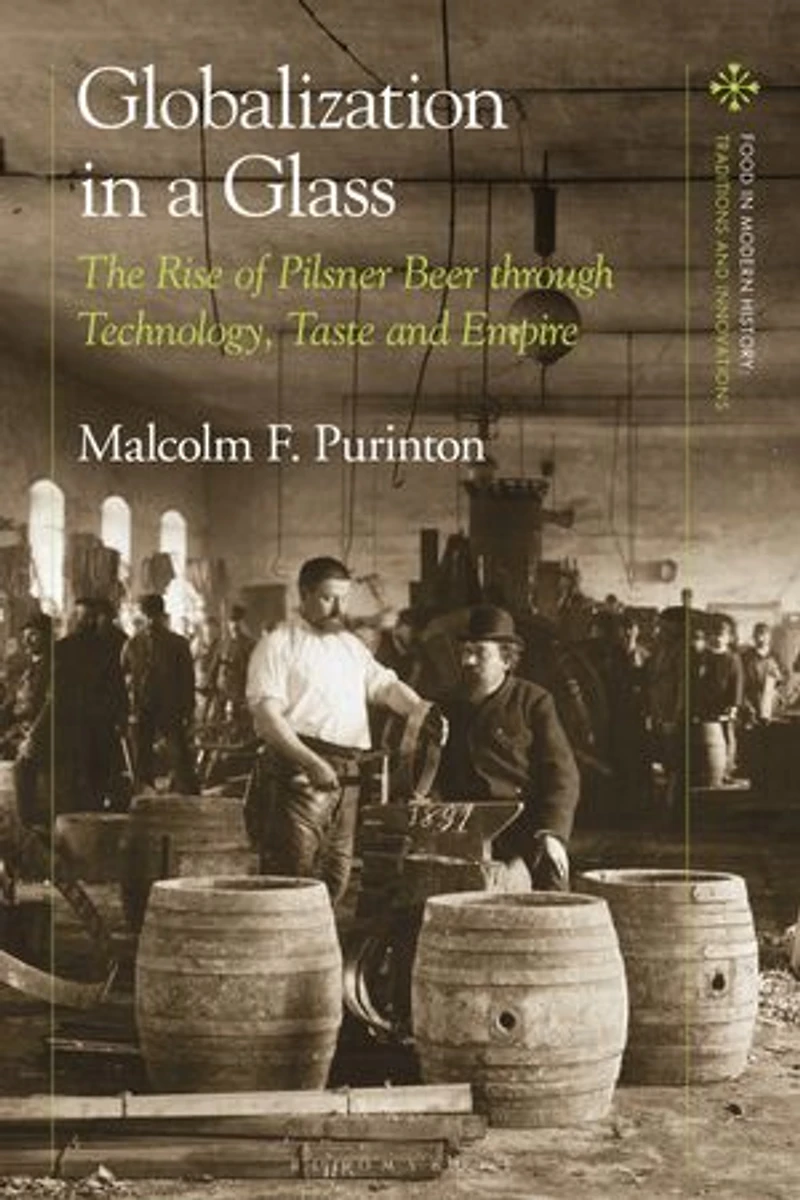
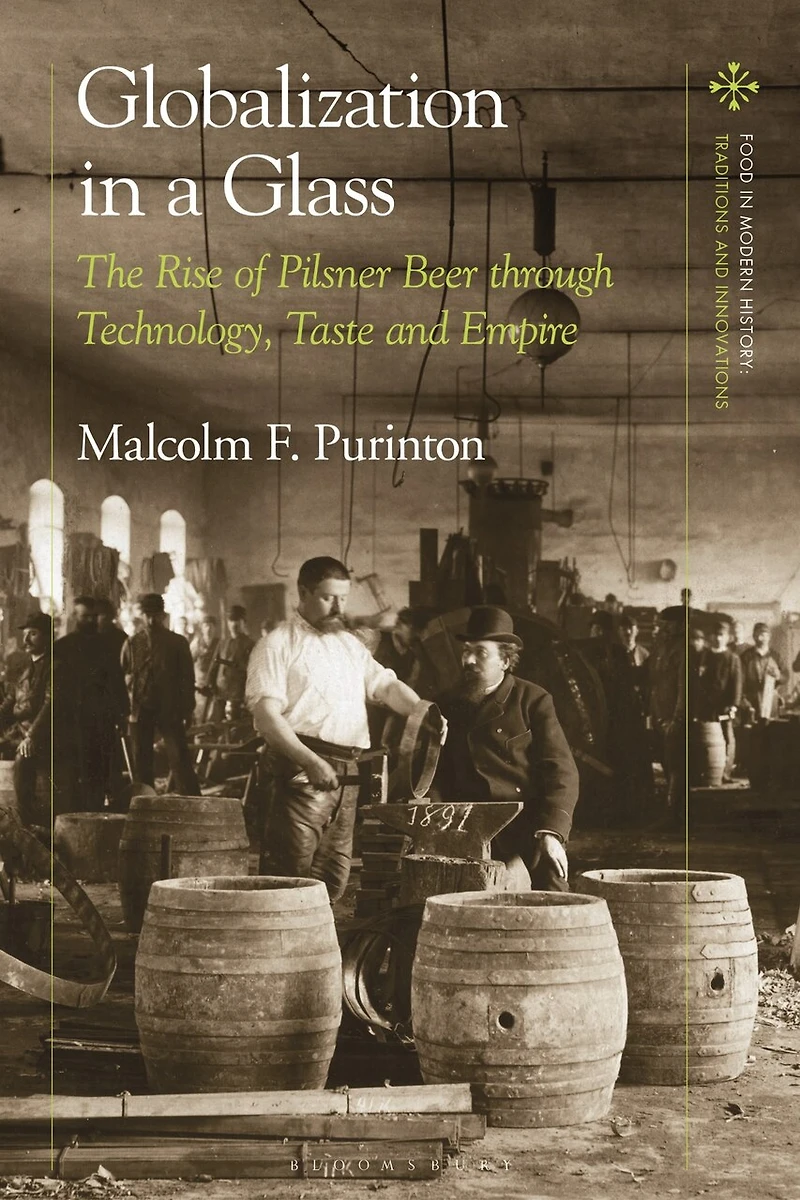
Globalization a Glass: The Rise of Pilsner Beer through Technology, Taste and Empire in Ottawa, ON
Current price: $42.99
Original price: $52.65

Globalization a Glass: The Rise of Pilsner Beer through Technology, Taste and Empire in Ottawa, ON
Current price: $42.99
Original price: $52.65
Loading Inventory...
Size: Kobo eBook
*Product information may vary - to confirm product availability, pricing, shipping and return information please contact Coles
The spread of Pilsner beer from its inception in 1842 clearly shows the changes wrought by globalization in an age of empire. Its rise was dependent not only on technological innovations and faster supply chains, but also on the increased connectedness of the world and the political and economic structures of empire. Drawing upon a wide range of archival sources from Europe, the Americas, and Sub-Saharan Africa, this study traces the spread of industrial beer brewing in Europe from the late 18th to the early 20th century to show how a single beer style became the global favourite through advances in science, business and imperial power. In highlighting the evolution of consumer tastes through changing hierarchical relationships between the British metropole and colonies, as well as the evolution of business organizations and practices, Globalization in a Glass contributes to ongoing debates about globalization, empire, and trade. It argues that, despite the might and power of the British Empire as a colonizing force, the effects of globalization, imperial trade networks, and colonial migration led to the domination of the most popular Continental European style of beer, the Pilsner, over British-style ales.
The spread of Pilsner beer from its inception in 1842 clearly shows the changes wrought by globalization in an age of empire. Its rise was dependent not only on technological innovations and faster supply chains, but also on the increased connectedness of the world and the political and economic structures of empire. Drawing upon a wide range of archival sources from Europe, the Americas, and Sub-Saharan Africa, this study traces the spread of industrial beer brewing in Europe from the late 18th to the early 20th century to show how a single beer style became the global favourite through advances in science, business and imperial power. In highlighting the evolution of consumer tastes through changing hierarchical relationships between the British metropole and colonies, as well as the evolution of business organizations and practices, Globalization in a Glass contributes to ongoing debates about globalization, empire, and trade. It argues that, despite the might and power of the British Empire as a colonizing force, the effects of globalization, imperial trade networks, and colonial migration led to the domination of the most popular Continental European style of beer, the Pilsner, over British-style ales.
You May Also Like

















More About Coles at Bayshore Shopping Centre
Coles is renowned for its outstanding customer service and great selection of books. Along with the vast array of magazines, stationary, audio-books, children's literature, fiction, non-fiction and reference books, you can find accessories to make your reading experience more pleasurable. We can recommend the very best in reading today. We will help you search our titles for exactly what you need, and if we do not have it in stock, we will order it for you.
100 Bayshore Dr, Nepean, ON K2B 8C1, Canada
Find Coles at Bayshore Shopping Centre in Ottawa, ON
Visit Coles at Bayshore Shopping Centre in Ottawa, ON