

Give the Gift of Choice!
Too many options? Treat your friends and family to their favourite stores with a Bayshore Shopping Centre gift card, redeemable at participating retailers throughout the centre. Click below to purchase yours today!Purchase HereHome
Globalization, Nationalism and the Text of ‘Kichaka-Vadha’: First English Translation Marathi Anticolonial Classic, with a Historical Analysis Theatre British India
Coles
Loading Inventory...
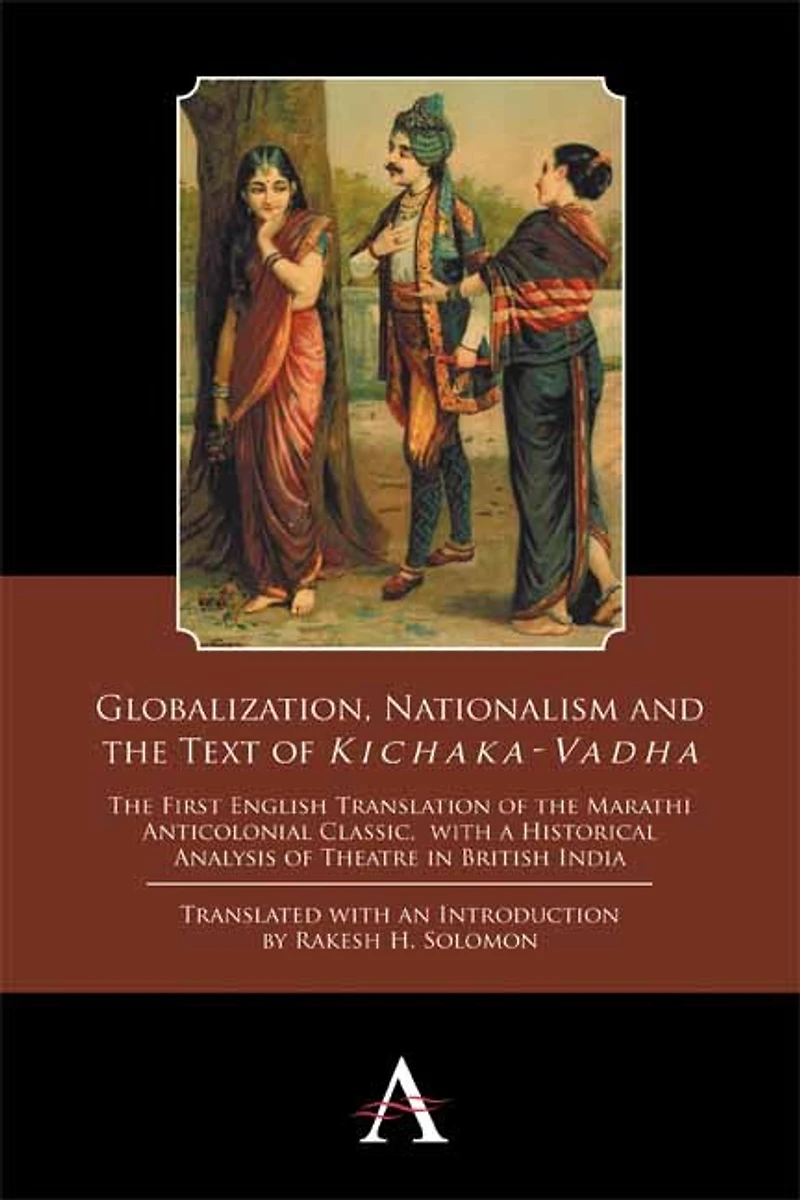
Globalization, Nationalism and the Text of ‘Kichaka-Vadha’: First English Translation Marathi Anticolonial Classic, with a Historical Analysis Theatre British India in Ottawa, ON
Current price: $149.99

Globalization, Nationalism and the Text of ‘Kichaka-Vadha’: First English Translation Marathi Anticolonial Classic, with a Historical Analysis Theatre British India in Ottawa, ON
Current price: $149.99
Loading Inventory...
Size: Hardcover
*Product information may vary - to confirm product availability, pricing, shipping and return information please contact Coles
In addition to providing the first English translation of ‘Kichaka-Vadha’, this volume offers the most detailed scholarly analysis to date of the anticolonial Marathi classic, drawing on a comprehensive range of archival documents.
The documentary material comes from colonial-era police, judicial, administrative, legislative, and newspaper sources. The commentary provides a broad overview of the formation of the modern Marathi theatre as well as a close reading of ‘Kichaka-Vadha’ itself. It illuminates the major events and personalities alluded to in the play and highlights the dramaturgic strategies used to advance a radical political agenda.
The play attracted immense audiences at the height of the Independence movement in early-twentieth-century India, making it extraordinarily influential, both politically and theatrically. Numerous playwrights sought to emulate its successful nationalist strategies and produced a significant body of political theatre in colonial India, while British authorities undertook several measures to minimize their impact.
This study of how anticolonial plays operated in an Indian context encourages fruitful comparisons with the resistance strategies employed by plays in other Asian and African countries facing various colonial mechanisms of regulation and suppression of public performances.
In addition to providing the first English translation of ‘Kichaka-Vadha’, this volume offers the most detailed scholarly analysis to date of the anticolonial Marathi classic, drawing on a comprehensive range of archival documents.
The documentary material comes from colonial-era police, judicial, administrative, legislative, and newspaper sources. The commentary provides a broad overview of the formation of the modern Marathi theatre as well as a close reading of ‘Kichaka-Vadha’ itself. It illuminates the major events and personalities alluded to in the play and highlights the dramaturgic strategies used to advance a radical political agenda.
The play attracted immense audiences at the height of the Independence movement in early-twentieth-century India, making it extraordinarily influential, both politically and theatrically. Numerous playwrights sought to emulate its successful nationalist strategies and produced a significant body of political theatre in colonial India, while British authorities undertook several measures to minimize their impact.
This study of how anticolonial plays operated in an Indian context encourages fruitful comparisons with the resistance strategies employed by plays in other Asian and African countries facing various colonial mechanisms of regulation and suppression of public performances.
You May Also Like

















More About Coles at Bayshore Shopping Centre
Coles is renowned for its outstanding customer service and great selection of books. Along with the vast array of magazines, stationary, audio-books, children's literature, fiction, non-fiction and reference books, you can find accessories to make your reading experience more pleasurable. We can recommend the very best in reading today. We will help you search our titles for exactly what you need, and if we do not have it in stock, we will order it for you.
100 Bayshore Dr, Nepean, ON K2B 8C1, Canada
Find Coles at Bayshore Shopping Centre in Ottawa, ON
Visit Coles at Bayshore Shopping Centre in Ottawa, ON