

Give the Gift of Choice!
Too many options? Treat your friends and family to their favourite stores with a Bayshore Shopping Centre gift card, redeemable at participating retailers throughout the centre. Click below to purchase yours today!Purchase HereHome
God, Slavery, and Early Christianity: Divine Possession and Ethics in the Shepherd of Hermas
Coles
Loading Inventory...
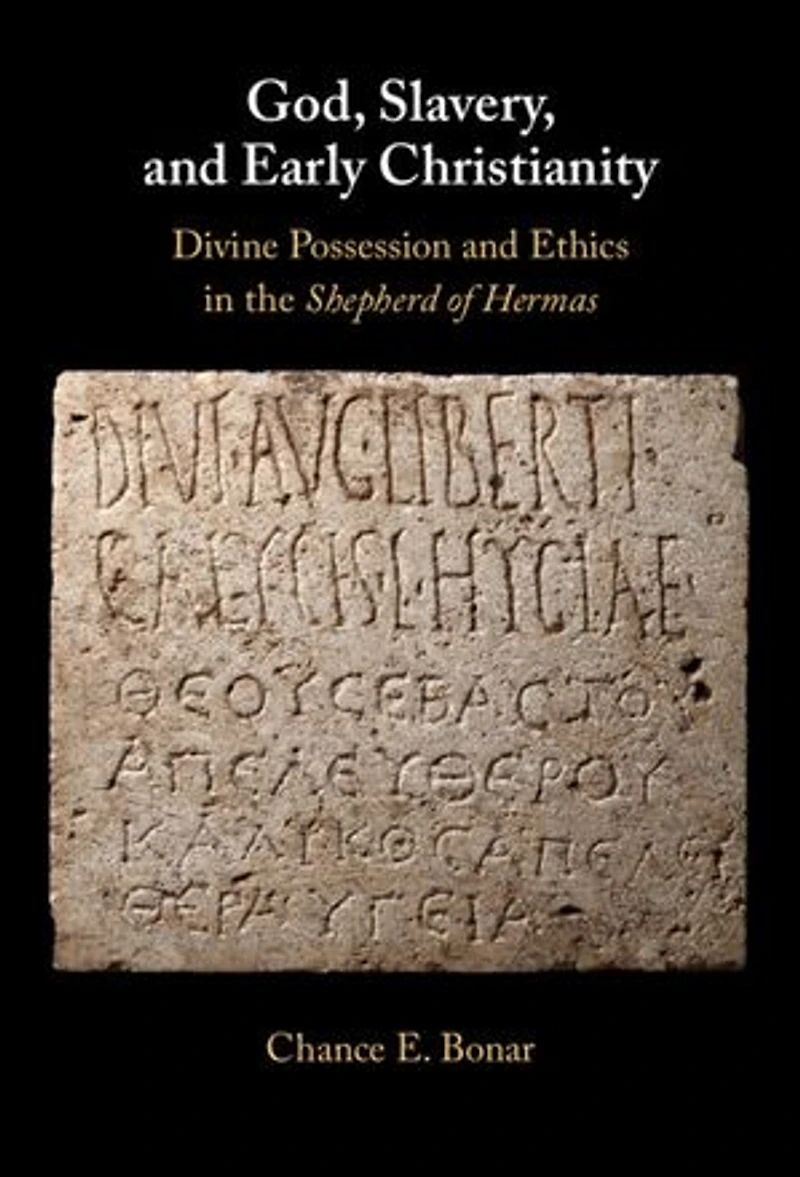
God, Slavery, and Early Christianity: Divine Possession and Ethics in the Shepherd of Hermas in Ottawa, ON
Current price: $110.99
Original price: $137.95

God, Slavery, and Early Christianity: Divine Possession and Ethics in the Shepherd of Hermas in Ottawa, ON
Current price: $110.99
Original price: $137.95
Loading Inventory...
Size: Kobo eBook
*Product information may vary - to confirm product availability, pricing, shipping and return information please contact Coles
Ancient Christians understood themselves to be enslaved to God, an attitude that affected their ethics, theology, and self-understanding. This widespread belief is made especially clear in the Shepherd of Hermas, an overlooked early Christian text written by an enslaved person, which was nearly included in the New Testament. In this book, Chance Bonar provides a robust analysis of the ancient discourses and practices of slavery found in the Shepherd of Hermas. He shows how the text characterizes God's enslaved persons as useful, loyal property who could be put to work, surveilled, and disciplined throughout their lives – and the afterlife. Bonar also investigates the notion that God enslaved believers, which allowed the Shepherd to theorize key early Christian concepts more deeply and in light of ancient Mediterranean slavery. Bonar's study clarifies the depth to which early Christians were entrenched – intellectually, practically, and theologically – in Roman slave society. It also demonstrates how the Shepherd offers new approaches to early Christian literary and historical interpretation.
Ancient Christians understood themselves to be enslaved to God, an attitude that affected their ethics, theology, and self-understanding. This widespread belief is made especially clear in the Shepherd of Hermas, an overlooked early Christian text written by an enslaved person, which was nearly included in the New Testament. In this book, Chance Bonar provides a robust analysis of the ancient discourses and practices of slavery found in the Shepherd of Hermas. He shows how the text characterizes God's enslaved persons as useful, loyal property who could be put to work, surveilled, and disciplined throughout their lives – and the afterlife. Bonar also investigates the notion that God enslaved believers, which allowed the Shepherd to theorize key early Christian concepts more deeply and in light of ancient Mediterranean slavery. Bonar's study clarifies the depth to which early Christians were entrenched – intellectually, practically, and theologically – in Roman slave society. It also demonstrates how the Shepherd offers new approaches to early Christian literary and historical interpretation.
You May Also Like













More About Coles at Bayshore Shopping Centre
Coles is renowned for its outstanding customer service and great selection of books. Along with the vast array of magazines, stationary, audio-books, children's literature, fiction, non-fiction and reference books, you can find accessories to make your reading experience more pleasurable. We can recommend the very best in reading today. We will help you search our titles for exactly what you need, and if we do not have it in stock, we will order it for you.
100 Bayshore Dr, Nepean, ON K2B 8C1, Canada
Find Coles at Bayshore Shopping Centre in Ottawa, ON
Visit Coles at Bayshore Shopping Centre in Ottawa, ON