

Give the Gift of Choice!
Too many options? Treat your friends and family to their favourite stores with a Bayshore Shopping Centre gift card, redeemable at participating retailers throughout the centre. Click below to purchase yours today!Purchase HereHome
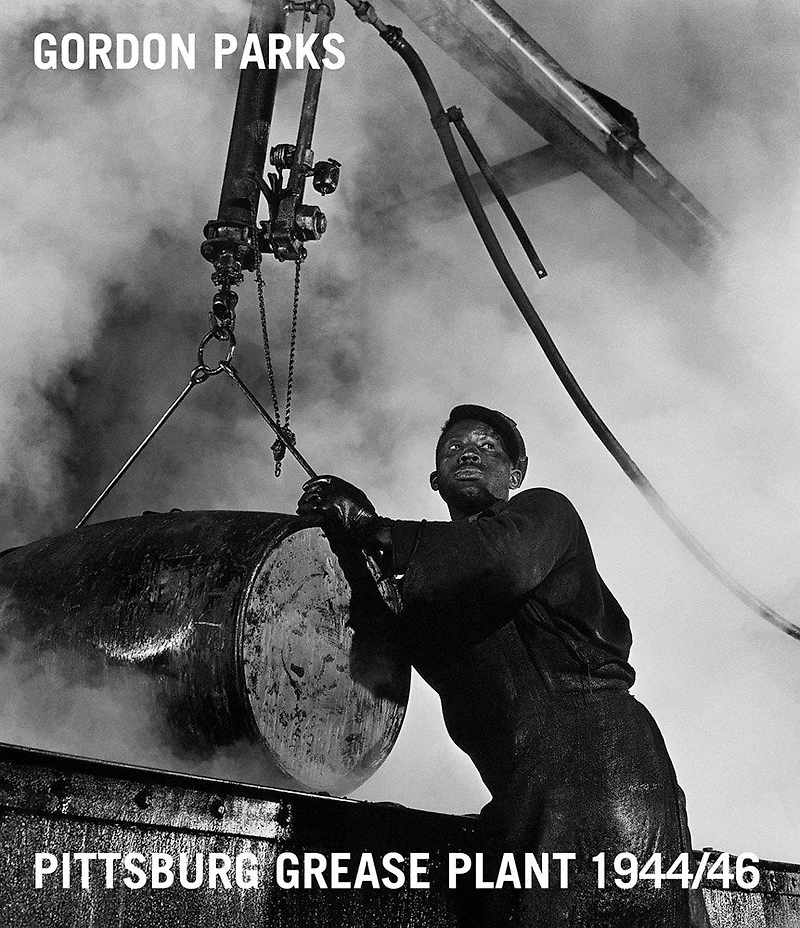
Gordon Parks: Pittsburgh Grease Plant, 1944/46
Coles
Loading Inventory...
Gordon Parks: Pittsburgh Grease Plant, 1944/46 in Ottawa, ON
Current price: $90.00

Gordon Parks: Pittsburgh Grease Plant, 1944/46 in Ottawa, ON
Current price: $90.00
Loading Inventory...
Size: Hardcover
*Product information may vary - to confirm product availability, pricing, shipping and return information please contact Coles
Class, race and labor in a Pittsburgh plant: a rarely seen series by Gordon Parks By 1944, Gordon Parks had established himself as a photographer who freely navigated the fields of press and commercial photography, with an unparalleled humanist perspective. That year, Roy Stryker—the former Farm Security Administration official who was now heading the public relations department for the Standard Oil Company (New Jersey)—commissioned Parks to travel to Pittsburgh, Pennsylvania, to document the Penola, Inc. Grease Plant.
Employing his signature style, Parks spent two years chronicling the plant’s industry—critical to Pittsburgh’s history and character—by photographing its workers. The resulting photographs, dramatically staged and lit and striking in their composition, showed the range of activities engaged in by Black and white workers, divided as they were by roles, race and class. The images were used as marketing materials and made available to local and national newspapers, as well as corporate magazines and newsletters. However, they served as much more than documentation of industry, enduring as an exploration of labor and its social and economic ramifications in World War II America by one of the most influential artists of the 20th century.
Featuring more than 100 photographs, many previously unpublished, this is the first book to focus exclusively on Parks’ photographs for the Standard Oil Company, illuminating an important chapter in his career prior to his landmark career as a staff photographer for Life .
Gordon Parks was born into poverty and segregation in Fort Scott, Kansas, in 1912. He worked as a brothel pianist and railcar porter, among other jobs, before buying a camera at a pawnshop, training himself and becoming a photographer. In addition to his tenures photographing for the FSA (1941–45) and Life magazine (1948–72), Parks evolved into a modern-day Renaissance man, finding success as a film director, writer and composer. He died in 2006.
Class, race and labor in a Pittsburgh plant: a rarely seen series by Gordon Parks By 1944, Gordon Parks had established himself as a photographer who freely navigated the fields of press and commercial photography, with an unparalleled humanist perspective. That year, Roy Stryker—the former Farm Security Administration official who was now heading the public relations department for the Standard Oil Company (New Jersey)—commissioned Parks to travel to Pittsburgh, Pennsylvania, to document the Penola, Inc. Grease Plant.
Employing his signature style, Parks spent two years chronicling the plant’s industry—critical to Pittsburgh’s history and character—by photographing its workers. The resulting photographs, dramatically staged and lit and striking in their composition, showed the range of activities engaged in by Black and white workers, divided as they were by roles, race and class. The images were used as marketing materials and made available to local and national newspapers, as well as corporate magazines and newsletters. However, they served as much more than documentation of industry, enduring as an exploration of labor and its social and economic ramifications in World War II America by one of the most influential artists of the 20th century.
Featuring more than 100 photographs, many previously unpublished, this is the first book to focus exclusively on Parks’ photographs for the Standard Oil Company, illuminating an important chapter in his career prior to his landmark career as a staff photographer for Life .
Gordon Parks was born into poverty and segregation in Fort Scott, Kansas, in 1912. He worked as a brothel pianist and railcar porter, among other jobs, before buying a camera at a pawnshop, training himself and becoming a photographer. In addition to his tenures photographing for the FSA (1941–45) and Life magazine (1948–72), Parks evolved into a modern-day Renaissance man, finding success as a film director, writer and composer. He died in 2006.
You May Also Like















More About Coles at Bayshore Shopping Centre
Coles is renowned for its outstanding customer service and great selection of books. Along with the vast array of magazines, stationary, audio-books, children's literature, fiction, non-fiction and reference books, you can find accessories to make your reading experience more pleasurable. We can recommend the very best in reading today. We will help you search our titles for exactly what you need, and if we do not have it in stock, we will order it for you.
100 Bayshore Dr, Nepean, ON K2B 8C1, Canada
Find Coles at Bayshore Shopping Centre in Ottawa, ON
Visit Coles at Bayshore Shopping Centre in Ottawa, ON