

Give the Gift of Choice!
Too many options? Treat your friends and family to their favourite stores with a Bayshore Shopping Centre gift card, redeemable at participating retailers throughout the centre. Click below to purchase yours today!Purchase HereHome
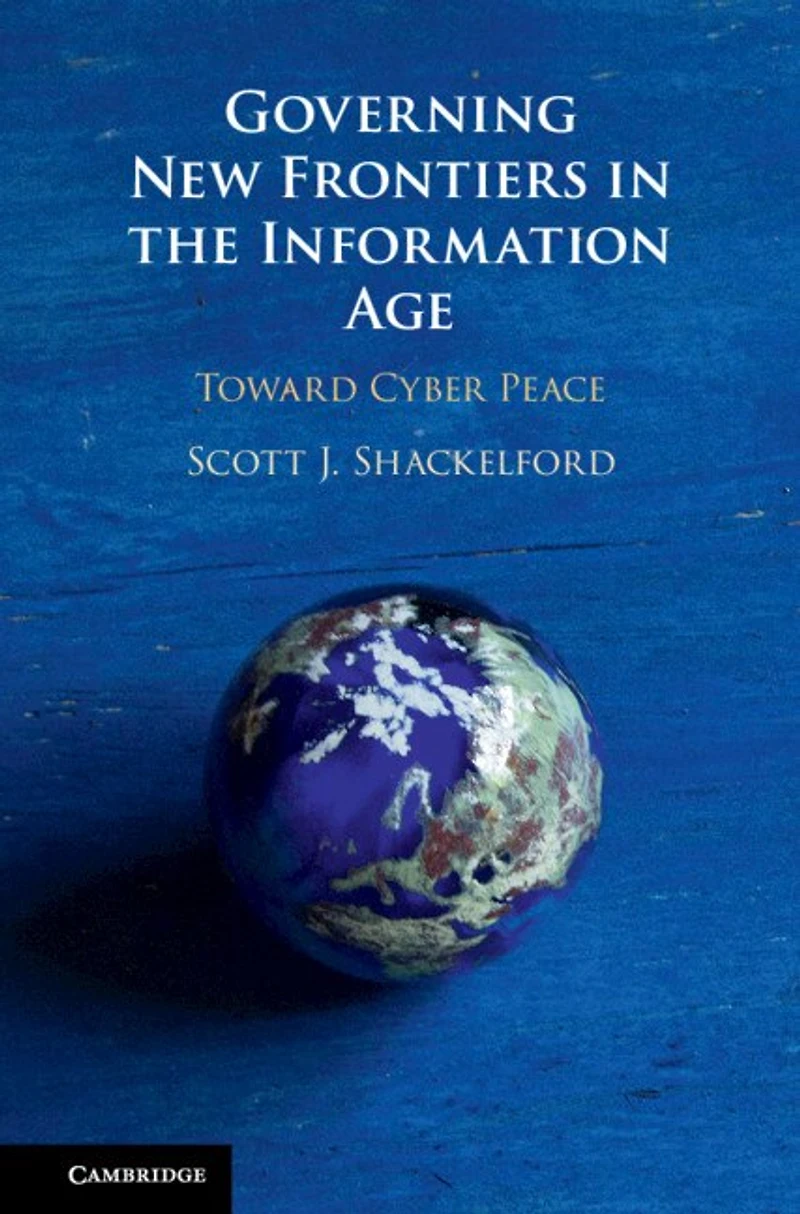
Governing New Frontiers the Information Age: Toward Cyber Peace
Coles
Loading Inventory...
Governing New Frontiers the Information Age: Toward Cyber Peace in Ottawa, ON
Current price: $205.95

Governing New Frontiers the Information Age: Toward Cyber Peace in Ottawa, ON
Current price: $205.95
Loading Inventory...
Size: Hardcover
*Product information may vary - to confirm product availability, pricing, shipping and return information please contact Coles
Many pressing environmental and security threats now facing the international community may be traced to the frontiers. From climate change and cyber-attacks to the associated challenges of space weaponization and orbital debris mitigation, solutions to all of these issues have at their root some form of regulation over the 'global commons'. Yet governance over these spaces is now transitioning away from multilateral treaties to regional and bilateral accords. This book makes an original contribution by comparing and contrasting some of the principal issues facing the frontiers. It analyzes how and why existing governance structures are often failing to adequately meet global collective action problems, with special coverage on cybersecurity and Internet governance. It proposes a new way forward incorporating lessons from successful regimes as well as the interdisciplinary scholarship on polycentric governance, arguing that multi-stakeholder collaboration is imperative in order to avoid tragedies of the global commons.
Many pressing environmental and security threats now facing the international community may be traced to the frontiers. From climate change and cyber-attacks to the associated challenges of space weaponization and orbital debris mitigation, solutions to all of these issues have at their root some form of regulation over the 'global commons'. Yet governance over these spaces is now transitioning away from multilateral treaties to regional and bilateral accords. This book makes an original contribution by comparing and contrasting some of the principal issues facing the frontiers. It analyzes how and why existing governance structures are often failing to adequately meet global collective action problems, with special coverage on cybersecurity and Internet governance. It proposes a new way forward incorporating lessons from successful regimes as well as the interdisciplinary scholarship on polycentric governance, arguing that multi-stakeholder collaboration is imperative in order to avoid tragedies of the global commons.
You May Also Like













More About Coles at Bayshore Shopping Centre
Coles is renowned for its outstanding customer service and great selection of books. Along with the vast array of magazines, stationary, audio-books, children's literature, fiction, non-fiction and reference books, you can find accessories to make your reading experience more pleasurable. We can recommend the very best in reading today. We will help you search our titles for exactly what you need, and if we do not have it in stock, we will order it for you.
100 Bayshore Dr, Nepean, ON K2B 8C1, Canada
Find Coles at Bayshore Shopping Centre in Ottawa, ON
Visit Coles at Bayshore Shopping Centre in Ottawa, ON