

Give the Gift of Choice!
Too many options? Treat your friends and family to their favourite stores with a Bayshore Shopping Centre gift card, redeemable at participating retailers throughout the centre. Click below to purchase yours today!Purchase HereHome
Grassroots Pentecostalism Brazil and the United States: Migrations, Missions, Mobility
Coles
Loading Inventory...
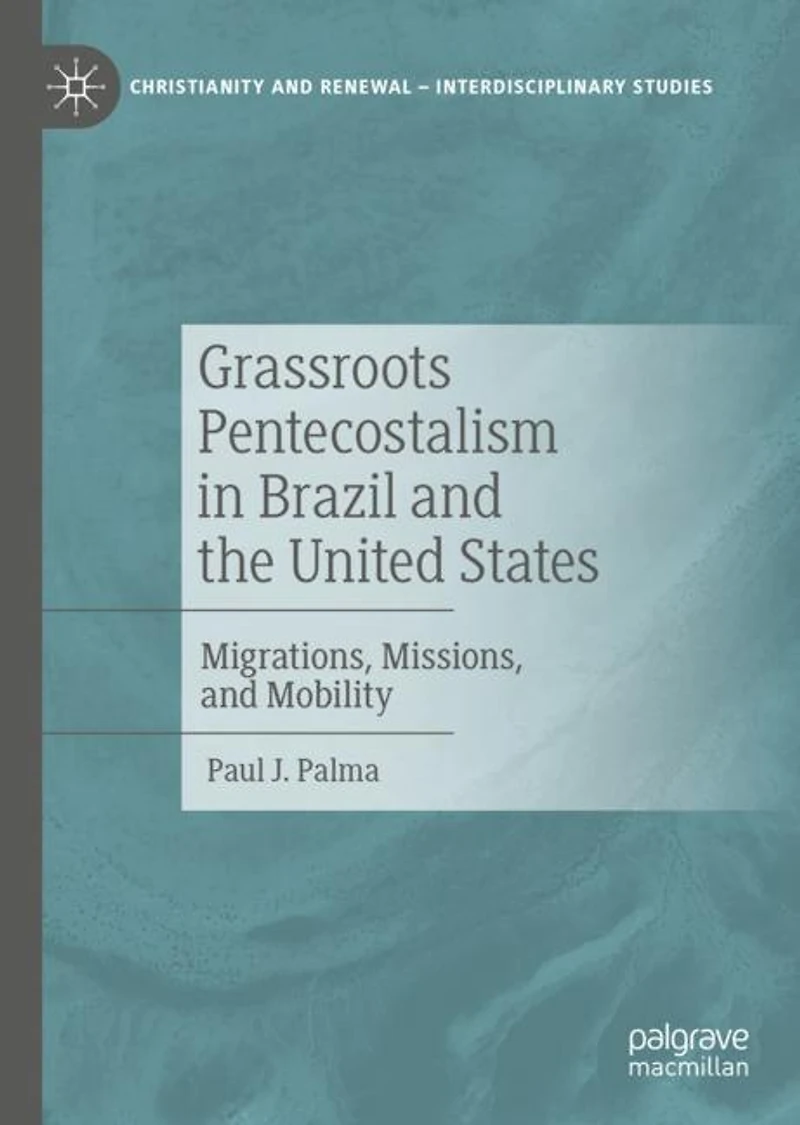
Grassroots Pentecostalism Brazil and the United States: Migrations, Missions, Mobility in Ottawa, ON
Current price: $160.95

Grassroots Pentecostalism Brazil and the United States: Migrations, Missions, Mobility in Ottawa, ON
Current price: $160.95
Loading Inventory...
Size: Hardcover
*Product information may vary - to confirm product availability, pricing, shipping and return information please contact Coles
This book offers an historical and comparative profile of classical pentecostal movements in Brazil and the United States in view of their migratory beginnings and transnational expansion. Pentecostalism's inception in the early twentieth century, particularly in its global South permutations, was defined by its grassroots character. In contrast to the top-down, hierarchical structure typical of Western forms of Christianity, the emergence of Latin American Pentecostalism embodied stability from the bottom up-among the common people. While the rise to prominence of the Assemblies of God in Brazil, the Western hemisphere's largest (non-Catholic) denomination, demanded structure akin to mainline contexts, classical pentecostals such as the Christian Congregation movement cling to their grassroots identity. Comparing the migratory and missional flow of movements with similar European and US roots, this book considers the prospects for classical Brazilian pentecostals with an eyeon the problems of church growth and polity, gender, politics, and ethnic identity.
This book offers an historical and comparative profile of classical pentecostal movements in Brazil and the United States in view of their migratory beginnings and transnational expansion. Pentecostalism's inception in the early twentieth century, particularly in its global South permutations, was defined by its grassroots character. In contrast to the top-down, hierarchical structure typical of Western forms of Christianity, the emergence of Latin American Pentecostalism embodied stability from the bottom up-among the common people. While the rise to prominence of the Assemblies of God in Brazil, the Western hemisphere's largest (non-Catholic) denomination, demanded structure akin to mainline contexts, classical pentecostals such as the Christian Congregation movement cling to their grassroots identity. Comparing the migratory and missional flow of movements with similar European and US roots, this book considers the prospects for classical Brazilian pentecostals with an eyeon the problems of church growth and polity, gender, politics, and ethnic identity.
You May Also Like











More About Coles at Bayshore Shopping Centre
Coles is renowned for its outstanding customer service and great selection of books. Along with the vast array of magazines, stationary, audio-books, children's literature, fiction, non-fiction and reference books, you can find accessories to make your reading experience more pleasurable. We can recommend the very best in reading today. We will help you search our titles for exactly what you need, and if we do not have it in stock, we will order it for you.
100 Bayshore Dr, Nepean, ON K2B 8C1, Canada
Find Coles at Bayshore Shopping Centre in Ottawa, ON
Visit Coles at Bayshore Shopping Centre in Ottawa, ON