

Give the Gift of Choice!
Too many options? Treat your friends and family to their favourite stores with a Bayshore Shopping Centre gift card, redeemable at participating retailers throughout the centre. Click below to purchase yours today!Purchase HereHome
Greece's involvement in WWII: Separating myth from reality
Coles
Loading Inventory...
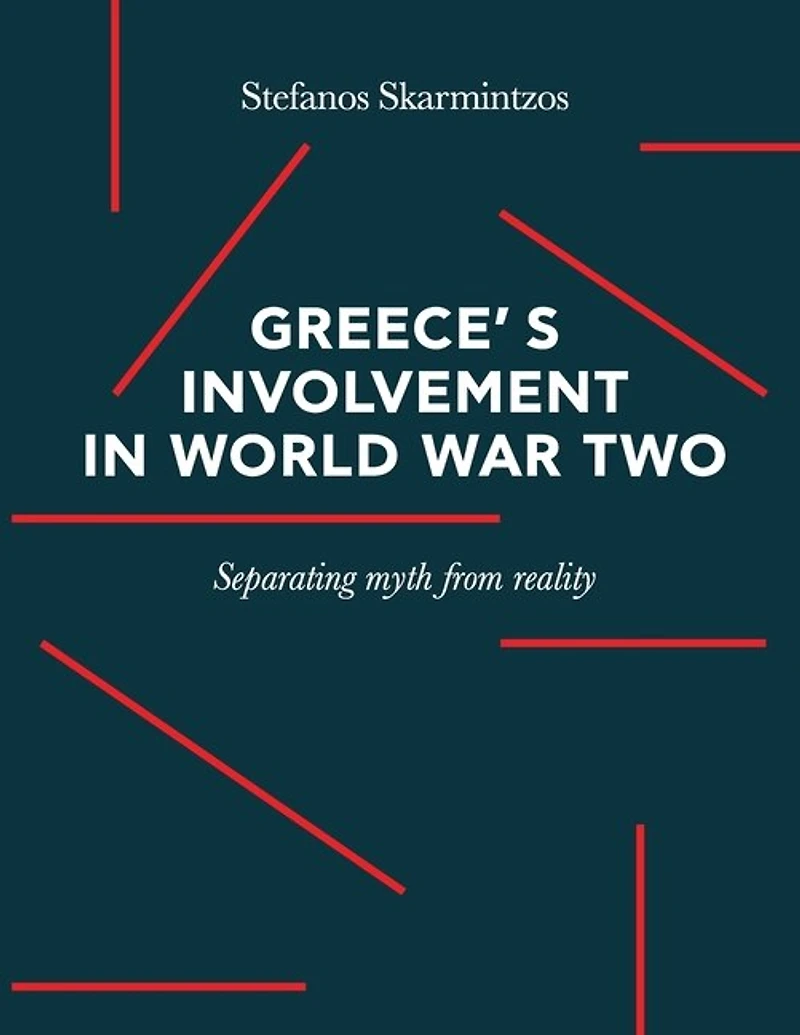
Greece's involvement in WWII: Separating myth from reality in Ottawa, ON
Current price: $11.07

Greece's involvement in WWII: Separating myth from reality in Ottawa, ON
Current price: $11.07
Loading Inventory...
Size: Paperback
*Product information may vary - to confirm product availability, pricing, shipping and return information please contact Coles
This book aims to tackle four myths about modern Greek History during the Second World War. - Greece could remain neutral if it wasn't Mussolini's attack that involved the country in WWII. - It was the defeatist Germanophile officers that destroyed the army and the Germans breaking the rules of war that caused the defeat. - The real combat value of the partisan bands. - The Jewish question in Greece and the overplayed Greek anti Semitism. A further explanation of these four points is given in the introduction and the shortcomings of historical work using mainly translated Allied and German sources is also pointed out while author's research in many cases complements this work. While English-speaking sources were used, an effort has also been made to translate several Greek sources thus making them available for future reference by historians. The partisans' issue is tackled only by specialist work for military personnel; an attempt is made to make it available to a wider audience. In the Jewish question unknown evidence from translated sources that they challenge the established views is presented.
This book aims to tackle four myths about modern Greek History during the Second World War. - Greece could remain neutral if it wasn't Mussolini's attack that involved the country in WWII. - It was the defeatist Germanophile officers that destroyed the army and the Germans breaking the rules of war that caused the defeat. - The real combat value of the partisan bands. - The Jewish question in Greece and the overplayed Greek anti Semitism. A further explanation of these four points is given in the introduction and the shortcomings of historical work using mainly translated Allied and German sources is also pointed out while author's research in many cases complements this work. While English-speaking sources were used, an effort has also been made to translate several Greek sources thus making them available for future reference by historians. The partisans' issue is tackled only by specialist work for military personnel; an attempt is made to make it available to a wider audience. In the Jewish question unknown evidence from translated sources that they challenge the established views is presented.














More About Coles at Bayshore Shopping Centre
Coles is renowned for its outstanding customer service and great selection of books. Along with the vast array of magazines, stationary, audio-books, children's literature, fiction, non-fiction and reference books, you can find accessories to make your reading experience more pleasurable. We can recommend the very best in reading today. We will help you search our titles for exactly what you need, and if we do not have it in stock, we will order it for you.
100 Bayshore Dr, Nepean, ON K2B 8C1, Canada
Find Coles at Bayshore Shopping Centre in Ottawa, ON
Visit Coles at Bayshore Shopping Centre in Ottawa, ON