

Give the Gift of Choice!
Too many options? Treat your friends and family to their favourite stores with a Bayshore Shopping Centre gift card, redeemable at participating retailers throughout the centre. Click below to purchase yours today!Purchase HereHome
Gringo Gulch: Sex, Tourism, and Social Mobility in Costa Rica
Coles
Loading Inventory...
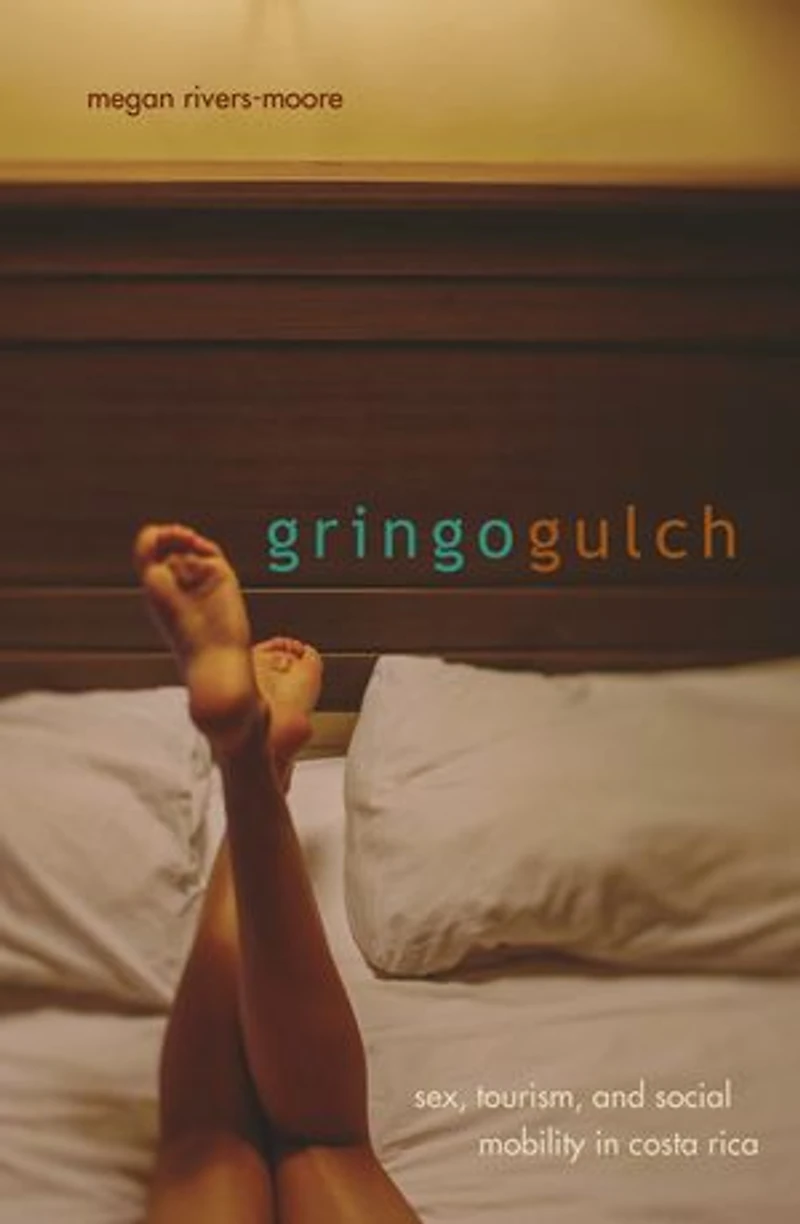
Gringo Gulch: Sex, Tourism, and Social Mobility in Costa Rica in Ottawa, ON
By None
Current price: $23.19
Original price: $28.99

By None
Gringo Gulch: Sex, Tourism, and Social Mobility in Costa Rica in Ottawa, ON
Current price: $23.19
Original price: $28.99
Loading Inventory...
Size: Kobo eBook
*Product information may vary - to confirm product availability, pricing, shipping and return information please contact Coles
The story of sex tourism in the Gringo Gulch neighborhood of San José, Costa Rica could be easily cast as the exploitation of poor local women by privileged North American men—men who are in a position to take advantage of the vast geopolitical inequalities that make Latin American women into suppliers of low-cost sexual labor. But in Gringo Gulch, Megan Rivers-Moore tells a more nuanced story, demonstrating that all the actors intimately entangled in the sex tourism industry—sex workers, sex tourists, and the state—use it as a strategy for getting ahead.
Rivers-Moore situates her ethnography at the intersections of gender, race, class, and national dimensions in the sex industry. Instead of casting sex workers as hapless victims and sex tourists as neoimperialist racists, she reveals each group as involved in a complicated process of class mobility that must be situated within the sale and purchase of leisure and sex. These interactions operate within an almost entirely unregulated but highly competitive market beyond the reach of the state—bringing a distinctly neoliberal cast to the market. Throughout the book, Rivers-Moore introduces us to remarkable characters—Susan, a mother of two who doesn't regret her career of sex work; Barry, a teacher and father of two from Virginia who travels to Costa Rica to escape his loveless, sexless marriage; Nancy, a legal assistant in the Department of Labor who is shocked to find out that prostitution is legal and still unregulated. Gringo Gulch is a fascinating and groundbreaking look at sex tourism, Latin America, and the neoliberal state.
The story of sex tourism in the Gringo Gulch neighborhood of San José, Costa Rica could be easily cast as the exploitation of poor local women by privileged North American men—men who are in a position to take advantage of the vast geopolitical inequalities that make Latin American women into suppliers of low-cost sexual labor. But in Gringo Gulch, Megan Rivers-Moore tells a more nuanced story, demonstrating that all the actors intimately entangled in the sex tourism industry—sex workers, sex tourists, and the state—use it as a strategy for getting ahead.
Rivers-Moore situates her ethnography at the intersections of gender, race, class, and national dimensions in the sex industry. Instead of casting sex workers as hapless victims and sex tourists as neoimperialist racists, she reveals each group as involved in a complicated process of class mobility that must be situated within the sale and purchase of leisure and sex. These interactions operate within an almost entirely unregulated but highly competitive market beyond the reach of the state—bringing a distinctly neoliberal cast to the market. Throughout the book, Rivers-Moore introduces us to remarkable characters—Susan, a mother of two who doesn't regret her career of sex work; Barry, a teacher and father of two from Virginia who travels to Costa Rica to escape his loveless, sexless marriage; Nancy, a legal assistant in the Department of Labor who is shocked to find out that prostitution is legal and still unregulated. Gringo Gulch is a fascinating and groundbreaking look at sex tourism, Latin America, and the neoliberal state.
You May Also Like









More About Coles at Bayshore Shopping Centre
Coles is renowned for its outstanding customer service and great selection of books. Along with the vast array of magazines, stationary, audio-books, children's literature, fiction, non-fiction and reference books, you can find accessories to make your reading experience more pleasurable. We can recommend the very best in reading today. We will help you search our titles for exactly what you need, and if we do not have it in stock, we will order it for you.
100 Bayshore Dr, Nepean, ON K2B 8C1, Canada
Find Coles at Bayshore Shopping Centre in Ottawa, ON
Visit Coles at Bayshore Shopping Centre in Ottawa, ON