

Give the Gift of Choice!
Too many options? Treat your friends and family to their favourite stores with a Bayshore Shopping Centre gift card, redeemable at participating retailers throughout the centre. Click below to purchase yours today!Purchase HereHome
Habeas Viscus: Racializing Assemblages, Biopolitics, And Black Feminist Theories Of The Human
Coles
Loading Inventory...
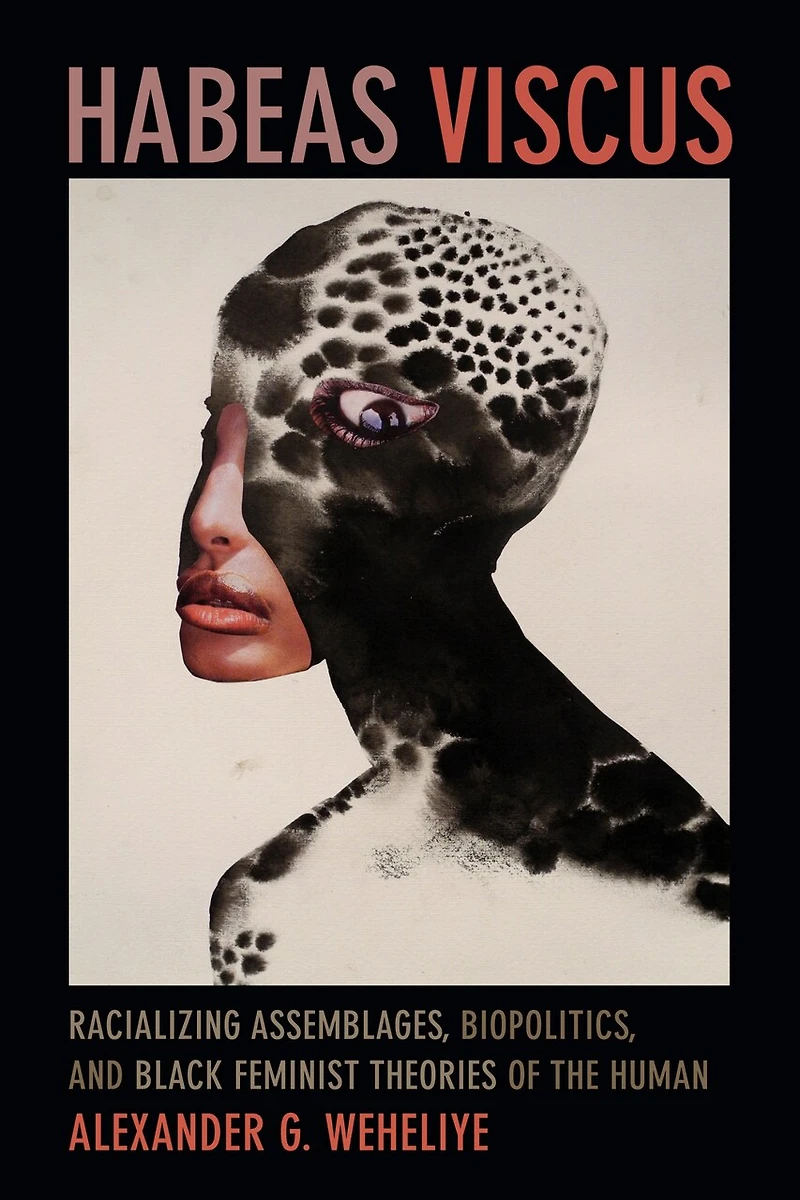
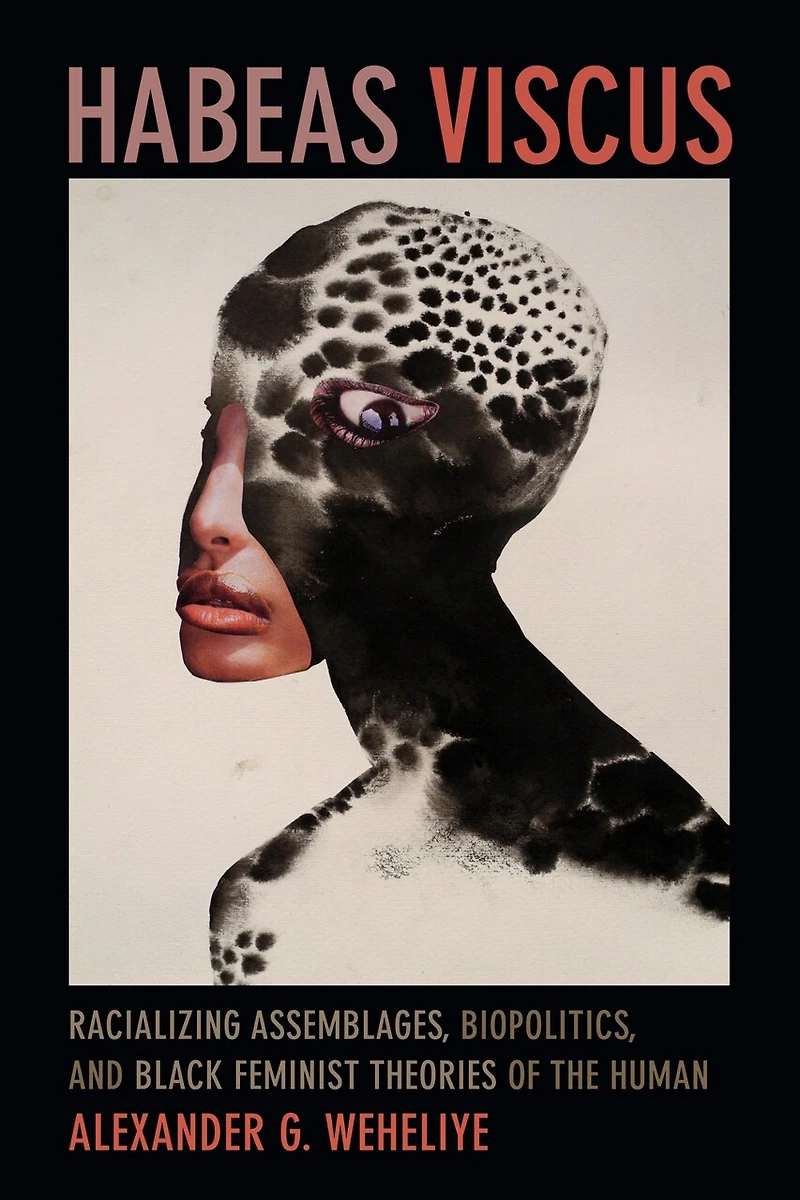
Habeas Viscus: Racializing Assemblages, Biopolitics, And Black Feminist Theories Of The Human in Ottawa, ON
Current price: $133.95

Habeas Viscus: Racializing Assemblages, Biopolitics, And Black Feminist Theories Of The Human in Ottawa, ON
Current price: $133.95
Loading Inventory...
Size: Hardcover
*Product information may vary - to confirm product availability, pricing, shipping and return information please contact Coles
Habeas Viscus focuses attention on the centrality of race to notions of the human. Alexander G. Weheliye develops a theory of "racializing assemblages," taking race as a set of sociopolitical processes that discipline humanity into full humans, not-quite-humans, and nonhumans. This disciplining, while not biological per se, frequently depends on anchoring political hierarchies in human flesh. The work of the black feminist scholars Hortense Spillers and Sylvia Wynter is vital to Weheliye's argument. Particularly significant are their contributions to the intellectual project of black studies vis--vis racialization and the category of the human in western modernity. Wynter and Spillers configure black studies as an endeavor to disrupt the governing conception of humanity as synonymous with white, western man. Weheliye posits black feminist theories of modern humanity as useful correctives to the "bare life and biopolitics discourse" exemplified by the works of Giorgio Agamben and Michel Foucault, which, Weheliye contends, vastly underestimate the conceptual and political significance of race in constructions of the human. Habeas Viscus reveals the pressing need to make the insights of black studies and black feminism foundational to the study of modern humanity.
Habeas Viscus focuses attention on the centrality of race to notions of the human. Alexander G. Weheliye develops a theory of "racializing assemblages," taking race as a set of sociopolitical processes that discipline humanity into full humans, not-quite-humans, and nonhumans. This disciplining, while not biological per se, frequently depends on anchoring political hierarchies in human flesh. The work of the black feminist scholars Hortense Spillers and Sylvia Wynter is vital to Weheliye's argument. Particularly significant are their contributions to the intellectual project of black studies vis--vis racialization and the category of the human in western modernity. Wynter and Spillers configure black studies as an endeavor to disrupt the governing conception of humanity as synonymous with white, western man. Weheliye posits black feminist theories of modern humanity as useful correctives to the "bare life and biopolitics discourse" exemplified by the works of Giorgio Agamben and Michel Foucault, which, Weheliye contends, vastly underestimate the conceptual and political significance of race in constructions of the human. Habeas Viscus reveals the pressing need to make the insights of black studies and black feminism foundational to the study of modern humanity.
You May Also Like








More About Coles at Bayshore Shopping Centre
Coles is renowned for its outstanding customer service and great selection of books. Along with the vast array of magazines, stationary, audio-books, children's literature, fiction, non-fiction and reference books, you can find accessories to make your reading experience more pleasurable. We can recommend the very best in reading today. We will help you search our titles for exactly what you need, and if we do not have it in stock, we will order it for you.
100 Bayshore Dr, Nepean, ON K2B 8C1, Canada
Find Coles at Bayshore Shopping Centre in Ottawa, ON
Visit Coles at Bayshore Shopping Centre in Ottawa, ON