

Give the Gift of Choice!
Too many options? Treat your friends and family to their favourite stores with a Bayshore Shopping Centre gift card, redeemable at participating retailers throughout the centre. Click below to purchase yours today!Purchase HereHome
Hans Hofmann: Fury: Painting After The War
Coles
Loading Inventory...
Hans Hofmann: Fury: Painting After The War in Ottawa, ON
Current price: $45.50

Hans Hofmann: Fury: Painting After The War in Ottawa, ON
Current price: $45.50
Loading Inventory...
Size: Paperback
*Product information may vary - to confirm product availability, pricing, shipping and return information please contact Coles
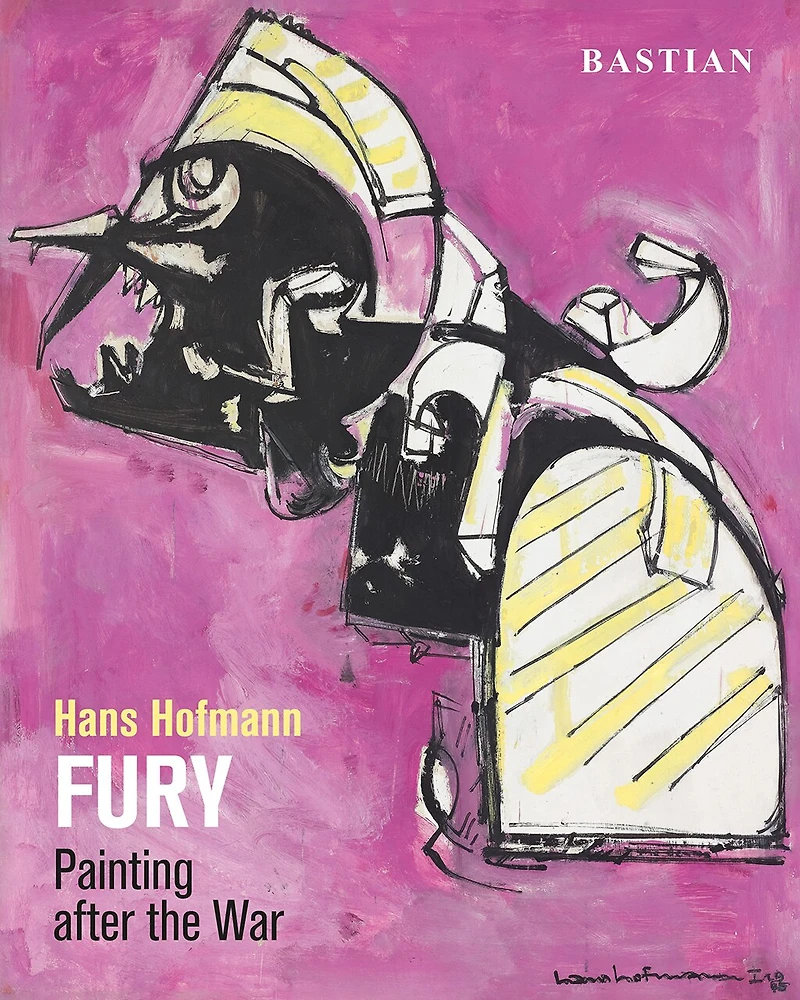
The German-born American artist Hans Hofmann (1880–1966) relocated to the United States in 1932 right before the outbreak of World War II. In the midst of wartime insecurity, he opened schools in both New York and Provincetown, immersing himself in America’s growing avantgarde art scene. The works Hofmann created at the end of WWII and immediately afterward show angular abstractions and personify the uncertainties of the period. At the same time, this was also the moment that he moved toward the soft, ambiguous forms and gestures that would become the hallmark of the Abstract Expressionist movement—a movement that Hofmann presaged.
Hans Hofmann: FURY presents Hofmann’s work from 1942 to 1946. While demonstrating Hofmann’s development towards abstraction, the paintings featured here still reveal a representational quality that nods to his figurative beginnings. Linear paintings particularly emphasize this artistic trajectory. Primarily known for his expressive use of bold, often primary colors, Hoffmann here uses a palette of vivid, bright colors, and contrasting dark tones, epitomizing the conflicted postwar feeling. Hans Hofmann: FURY gives particular insight into an essential moment in Hofmann’s career—his first solo exhibition in New York in 1944 at Peggy Guggenheim’s gallery, which Clement Greenberg considered “a breakthrough in painterly versus geometric abstraction that heralded abstract expressionism.”
The German-born American artist Hans Hofmann (1880–1966) relocated to the United States in 1932 right before the outbreak of World War II. In the midst of wartime insecurity, he opened schools in both New York and Provincetown, immersing himself in America’s growing avantgarde art scene. The works Hofmann created at the end of WWII and immediately afterward show angular abstractions and personify the uncertainties of the period. At the same time, this was also the moment that he moved toward the soft, ambiguous forms and gestures that would become the hallmark of the Abstract Expressionist movement—a movement that Hofmann presaged.
Hans Hofmann: FURY presents Hofmann’s work from 1942 to 1946. While demonstrating Hofmann’s development towards abstraction, the paintings featured here still reveal a representational quality that nods to his figurative beginnings. Linear paintings particularly emphasize this artistic trajectory. Primarily known for his expressive use of bold, often primary colors, Hoffmann here uses a palette of vivid, bright colors, and contrasting dark tones, epitomizing the conflicted postwar feeling. Hans Hofmann: FURY gives particular insight into an essential moment in Hofmann’s career—his first solo exhibition in New York in 1944 at Peggy Guggenheim’s gallery, which Clement Greenberg considered “a breakthrough in painterly versus geometric abstraction that heralded abstract expressionism.”
You May Also Like









More About Coles at Bayshore Shopping Centre
Coles is renowned for its outstanding customer service and great selection of books. Along with the vast array of magazines, stationary, audio-books, children's literature, fiction, non-fiction and reference books, you can find accessories to make your reading experience more pleasurable. We can recommend the very best in reading today. We will help you search our titles for exactly what you need, and if we do not have it in stock, we will order it for you.
100 Bayshore Dr, Nepean, ON K2B 8C1, Canada
Find Coles at Bayshore Shopping Centre in Ottawa, ON
Visit Coles at Bayshore Shopping Centre in Ottawa, ON