

Give the Gift of Choice!
Too many options? Treat your friends and family to their favourite stores with a Bayshore Shopping Centre gift card, redeemable at participating retailers throughout the centre. Click below to purchase yours today!Purchase HereHome
Hashimoto Gaho: Drawings & Paintings (Annotated)
Coles
Loading Inventory...
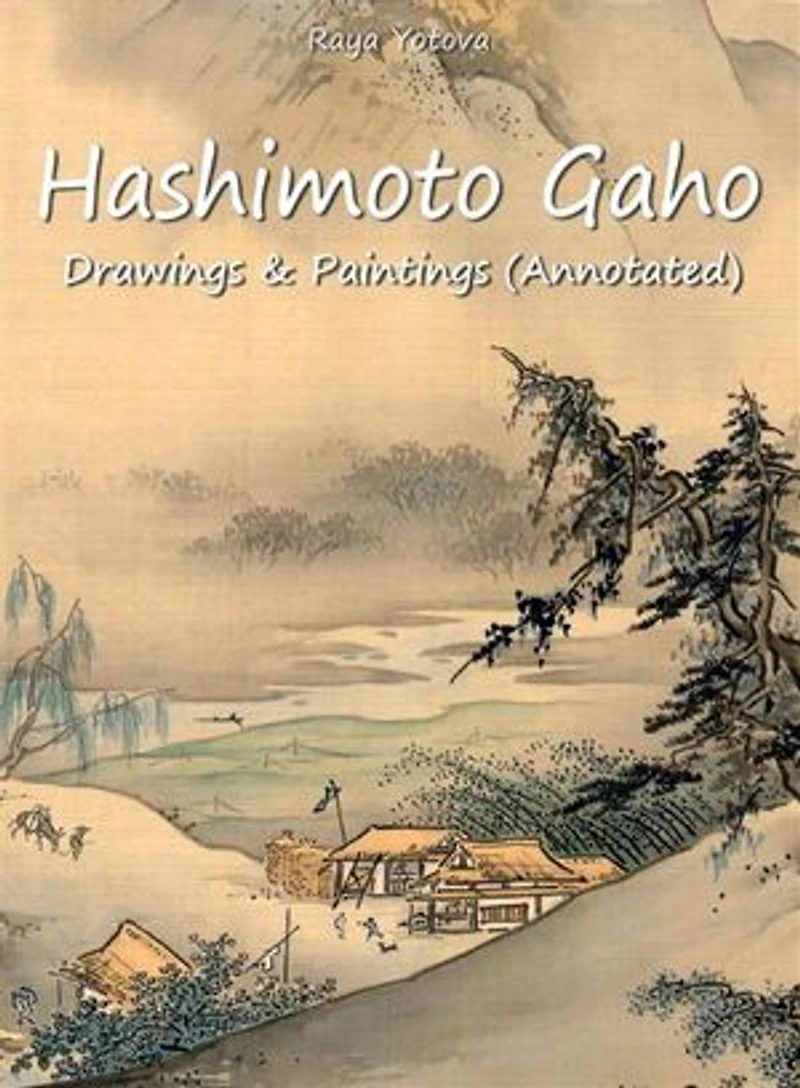
Hashimoto Gaho: Drawings & Paintings (Annotated) in Ottawa, ON
Current price: $2.99

Hashimoto Gaho: Drawings & Paintings (Annotated) in Ottawa, ON
Current price: $2.99
Loading Inventory...
Size: Kobo eBook
*Product information may vary - to confirm product availability, pricing, shipping and return information please contact Coles
Hashimoto Gahō was a Japanese artist, one of the last to paint in the Kanō School style.
He was born in Edo, where he studied painting at Kanō Shōsen'i and was heavily influenced by Kanō Hōgai's work. Hashimoto Gahō has created many works in the traditional Kanō School style using color and gold, or in other cases, black and white ink. But while in his paintings were mostly traditionalist, using traditional methods and depicting traditional objects, Hashimoto Gahō, like Kanō Hōgai, included elements of Western art.
His pictures, as well as those of many other Japanese artists from that period, show artistic techniques, various types of detail, and in particular attempts to correctly depict the perspective.
In 1860, he opened his studio, but the political and economic upheavals around Meiji Restoration forced Hashimoto Gahō to seek income in other ways than by selling fine art. He made maps for Naval Academy, drawing on fans and using his skills in some different ways to make a living.
Kanō Hōgai was invited in 1884 by Okakura Kakuzō to become Chief Professor of Painting at Tokyo Bijutsu Gakko, now Tokyo National University of Fine Arts and Music.
In 1898 he joined another artist, Okakura, both left Tōkyō Bijutsu Gakko and founded the Japan Fine Arts Academy. Hashimoto Gahō taught there until his death in 1908.
As a result of his position as Chief Professor of Painting, Gahō had many important students, including Yokoyama Taikan and Kawai Gyokudō.
Hashimoto Gahō was a Japanese artist, one of the last to paint in the Kanō School style.
He was born in Edo, where he studied painting at Kanō Shōsen'i and was heavily influenced by Kanō Hōgai's work. Hashimoto Gahō has created many works in the traditional Kanō School style using color and gold, or in other cases, black and white ink. But while in his paintings were mostly traditionalist, using traditional methods and depicting traditional objects, Hashimoto Gahō, like Kanō Hōgai, included elements of Western art.
His pictures, as well as those of many other Japanese artists from that period, show artistic techniques, various types of detail, and in particular attempts to correctly depict the perspective.
In 1860, he opened his studio, but the political and economic upheavals around Meiji Restoration forced Hashimoto Gahō to seek income in other ways than by selling fine art. He made maps for Naval Academy, drawing on fans and using his skills in some different ways to make a living.
Kanō Hōgai was invited in 1884 by Okakura Kakuzō to become Chief Professor of Painting at Tokyo Bijutsu Gakko, now Tokyo National University of Fine Arts and Music.
In 1898 he joined another artist, Okakura, both left Tōkyō Bijutsu Gakko and founded the Japan Fine Arts Academy. Hashimoto Gahō taught there until his death in 1908.
As a result of his position as Chief Professor of Painting, Gahō had many important students, including Yokoyama Taikan and Kawai Gyokudō.
You May Also Like








More About Coles at Bayshore Shopping Centre
Coles is renowned for its outstanding customer service and great selection of books. Along with the vast array of magazines, stationary, audio-books, children's literature, fiction, non-fiction and reference books, you can find accessories to make your reading experience more pleasurable. We can recommend the very best in reading today. We will help you search our titles for exactly what you need, and if we do not have it in stock, we will order it for you.
100 Bayshore Dr, Nepean, ON K2B 8C1, Canada
Find Coles at Bayshore Shopping Centre in Ottawa, ON
Visit Coles at Bayshore Shopping Centre in Ottawa, ON