

Give the Gift of Choice!
Too many options? Treat your friends and family to their favourite stores with a Bayshore Shopping Centre gift card, redeemable at participating retailers throughout the centre. Click below to purchase yours today!Purchase HereHome
Hegel and The Problem of History Philosophy: Logical Structure Exemplarity
Coles
Loading Inventory...
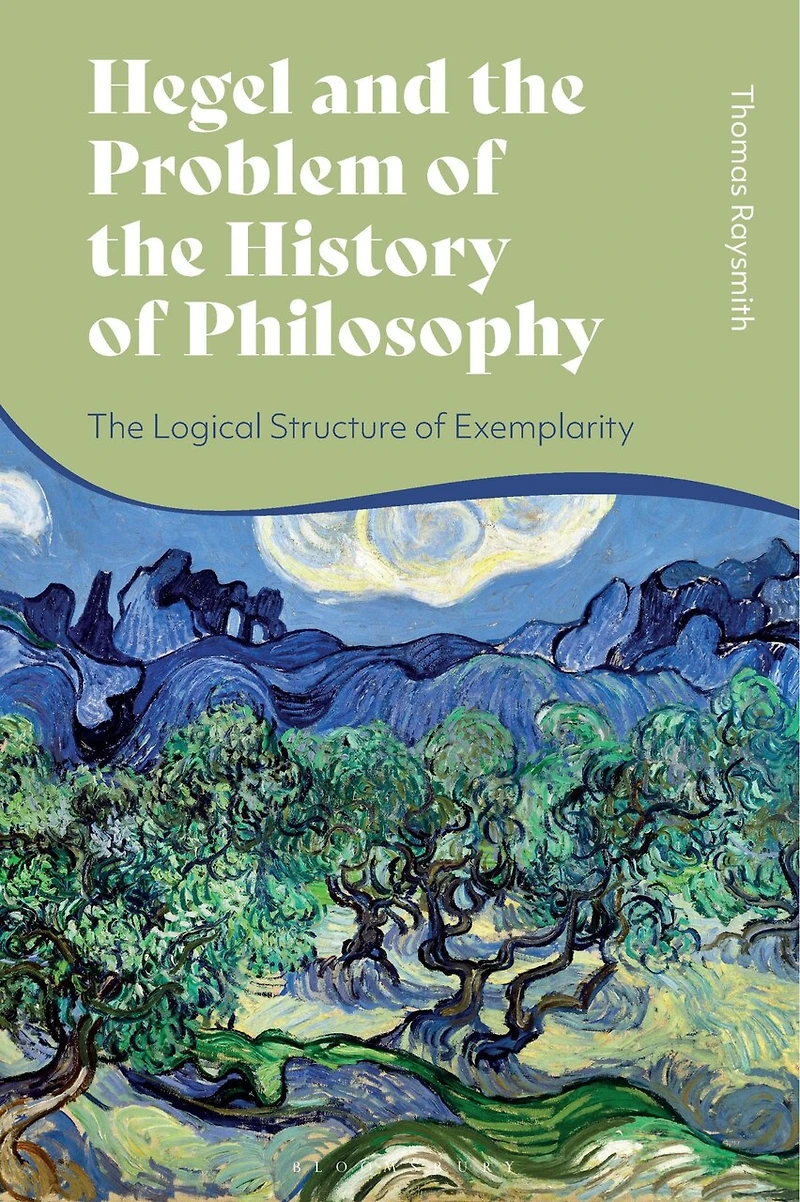
Hegel and The Problem of History Philosophy: Logical Structure Exemplarity in Ottawa, ON
Current price: $167.95

Hegel and The Problem of History Philosophy: Logical Structure Exemplarity in Ottawa, ON
Current price: $167.95
Loading Inventory...
Size: Hardcover
*Product information may vary - to confirm product availability, pricing, shipping and return information please contact Coles
Drawing on the work of major philosophers in 18th and 19th-century German idealism, Thomas Raysmith critically examines G. W. F. Hegel's justification for the claim that philosophy has a history. While Kant regarded philosophy as ahistorical, Hegel considered it to be a discipline that is necessarily historical, and elaborated a 'logical structure' that was supposed to allow it to have a history. Calling this structure, which Hegel took to be the fundamental structure of thought itself, 'the structure of exemplarity', Raysmith presents it as a dynamic reciprocity between universality, particularity and singularity. He provides a historical reconstruction of the shifting conceptions of philosophy from Kant, through J. G. Fichte and F. W. J. Schelling, to Hegel, and offers a systematic analysis of Hegel's Science of Logic based on a close, critical reading. Offering a compelling and novel reading of Hegel's thought, Hegel and the Problem of the History of Philosophy is a groundbreaking work for students and scholars of German idealism and the history of philosophy more broadly.
Drawing on the work of major philosophers in 18th and 19th-century German idealism, Thomas Raysmith critically examines G. W. F. Hegel's justification for the claim that philosophy has a history. While Kant regarded philosophy as ahistorical, Hegel considered it to be a discipline that is necessarily historical, and elaborated a 'logical structure' that was supposed to allow it to have a history. Calling this structure, which Hegel took to be the fundamental structure of thought itself, 'the structure of exemplarity', Raysmith presents it as a dynamic reciprocity between universality, particularity and singularity. He provides a historical reconstruction of the shifting conceptions of philosophy from Kant, through J. G. Fichte and F. W. J. Schelling, to Hegel, and offers a systematic analysis of Hegel's Science of Logic based on a close, critical reading. Offering a compelling and novel reading of Hegel's thought, Hegel and the Problem of the History of Philosophy is a groundbreaking work for students and scholars of German idealism and the history of philosophy more broadly.
You May Also Like











More About Coles at Bayshore Shopping Centre
Coles is renowned for its outstanding customer service and great selection of books. Along with the vast array of magazines, stationary, audio-books, children's literature, fiction, non-fiction and reference books, you can find accessories to make your reading experience more pleasurable. We can recommend the very best in reading today. We will help you search our titles for exactly what you need, and if we do not have it in stock, we will order it for you.
100 Bayshore Dr, Nepean, ON K2B 8C1, Canada
Find Coles at Bayshore Shopping Centre in Ottawa, ON
Visit Coles at Bayshore Shopping Centre in Ottawa, ON