

Give the Gift of Choice!
Too many options? Treat your friends and family to their favourite stores with a Bayshore Shopping Centre gift card, redeemable at participating retailers throughout the centre. Click below to purchase yours today!Purchase HereHome
Hegemony, International Political Economy and Post-Communist Russia
Coles
Loading Inventory...
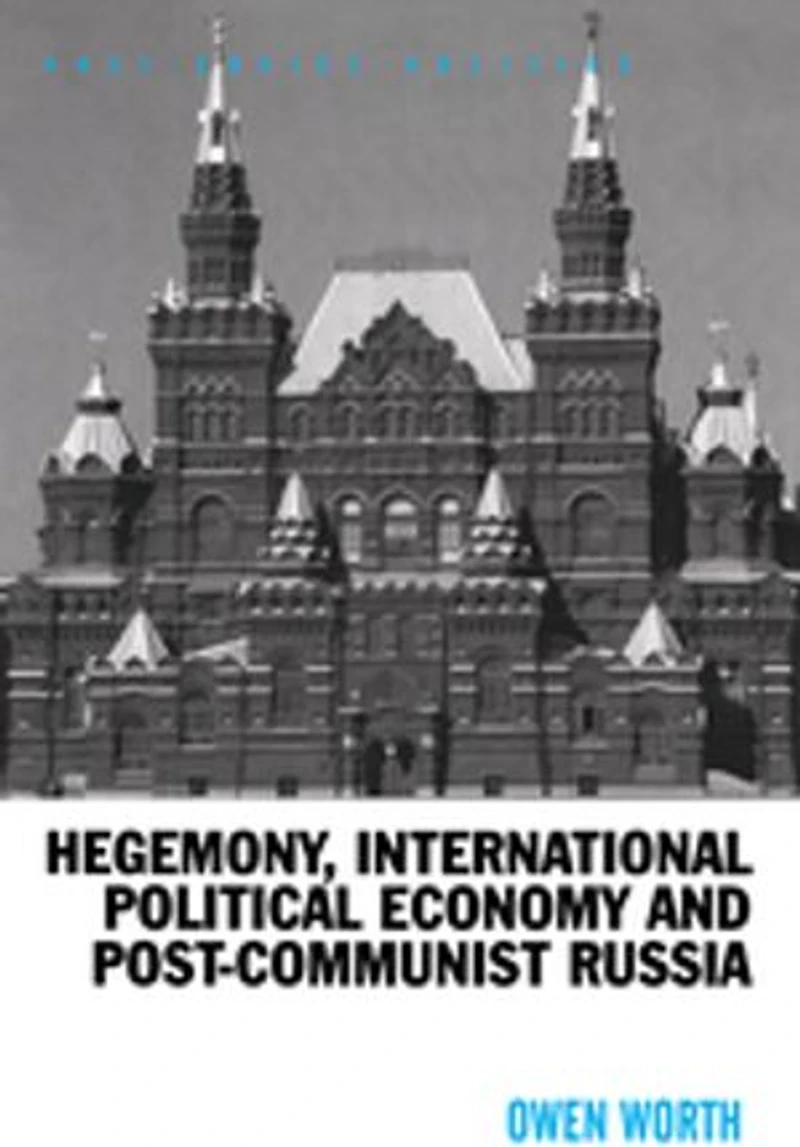
Hegemony, International Political Economy and Post-Communist Russia in Ottawa, ON
Current price: $84.13

Hegemony, International Political Economy and Post-Communist Russia in Ottawa, ON
Current price: $84.13
Loading Inventory...
Size: Kobo eBook
*Product information may vary - to confirm product availability, pricing, shipping and return information please contact Coles
This illuminating book explores the neo-Gramscian school of international political economy and their conceptualization of global hegemony, and furthers these by looking at how the often fragmented society of post-Communist Russia can provide insight into the nature and workings of neo-liberal global hegemony. The volume illustrates how historically Russia has been a unique case in rejecting Western-inspired hegemonic projects. It outlines how successive governments since the fall of the Soviet Union have attempted, often unsuccessfully, to integrate Russia into the global economy, and identifies the multitude of ideological contestation within Russia. It will prove a useful addition to the literature on both post-Communist Russian studies and international political economy.
This illuminating book explores the neo-Gramscian school of international political economy and their conceptualization of global hegemony, and furthers these by looking at how the often fragmented society of post-Communist Russia can provide insight into the nature and workings of neo-liberal global hegemony. The volume illustrates how historically Russia has been a unique case in rejecting Western-inspired hegemonic projects. It outlines how successive governments since the fall of the Soviet Union have attempted, often unsuccessfully, to integrate Russia into the global economy, and identifies the multitude of ideological contestation within Russia. It will prove a useful addition to the literature on both post-Communist Russian studies and international political economy.
You May Also Like







More About Coles at Bayshore Shopping Centre
Coles is renowned for its outstanding customer service and great selection of books. Along with the vast array of magazines, stationary, audio-books, children's literature, fiction, non-fiction and reference books, you can find accessories to make your reading experience more pleasurable. We can recommend the very best in reading today. We will help you search our titles for exactly what you need, and if we do not have it in stock, we will order it for you.
100 Bayshore Dr, Nepean, ON K2B 8C1, Canada
Find Coles at Bayshore Shopping Centre in Ottawa, ON
Visit Coles at Bayshore Shopping Centre in Ottawa, ON