

Give the Gift of Choice!
Too many options? Treat your friends and family to their favourite stores with a Bayshore Shopping Centre gift card, redeemable at participating retailers throughout the centre. Click below to purchase yours today!Purchase HereHome
Heidegger and Kierkegaard
Coles
Loading Inventory...
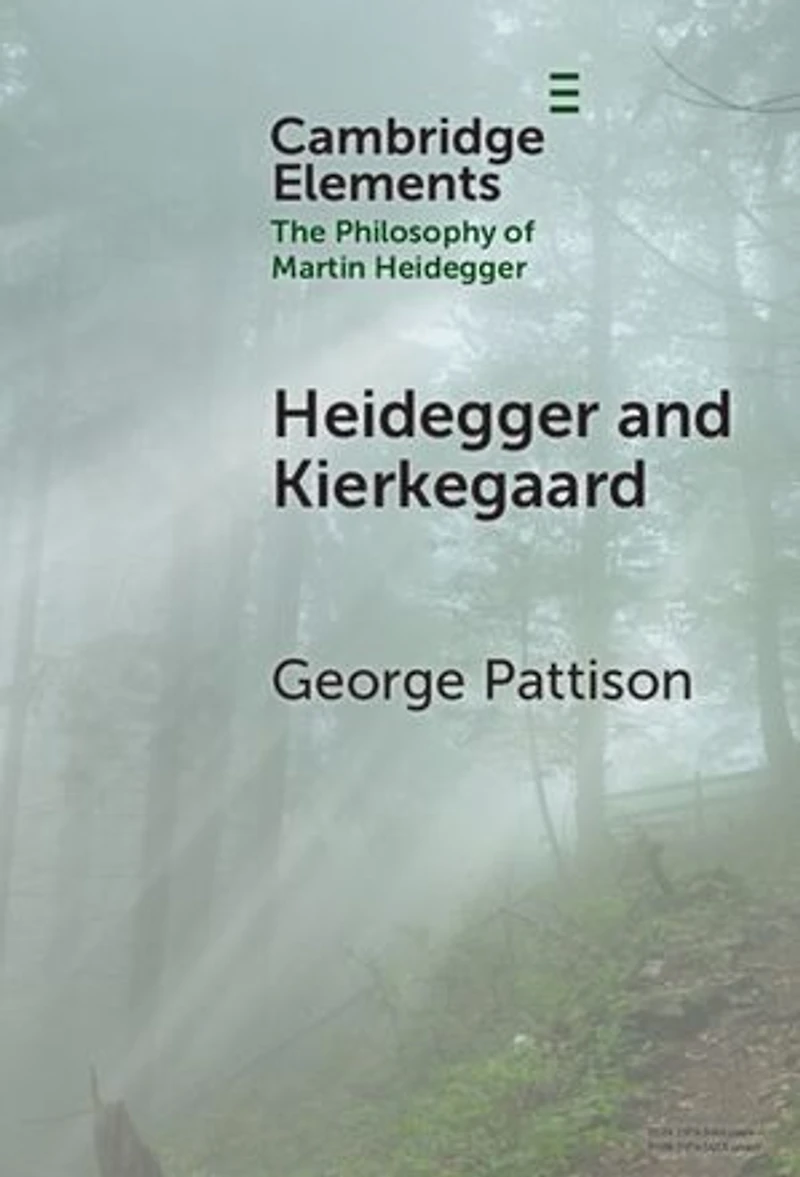
Heidegger and Kierkegaard in Ottawa, ON
Current price: $23.19
Original price: $28.95

Heidegger and Kierkegaard in Ottawa, ON
Current price: $23.19
Original price: $28.95
Loading Inventory...
Size: Kobo eBook
*Product information may vary - to confirm product availability, pricing, shipping and return information please contact Coles
The work examines the presence and significance of Kierkegaard in Heidegger's work. After setting out the context of Heidegger's reception of the Danish thinker and examining his likely knowledge of his writings, the work first examines key Kierkegaardian concepts that are explicitly present in Being and Time, including existence, 'idle talk' (Gerede), anxiety, the moment of vision, repetition, and the existential significance of death. It is seen that Heidegger regarded Kierkegaard as an essentially religious writer whose work was only indirectly relevant to Heidegger's own project of fundamental ontology. Subsequently, the work considers the place of Kierkegaard in Heidegger's writings from the 1930s onwards, concluding with consideration of the paper Heidegger submitted for the 1963 Paris UNESCO conference marking the 150th anniversary of Kierkegaard's thought.
The work examines the presence and significance of Kierkegaard in Heidegger's work. After setting out the context of Heidegger's reception of the Danish thinker and examining his likely knowledge of his writings, the work first examines key Kierkegaardian concepts that are explicitly present in Being and Time, including existence, 'idle talk' (Gerede), anxiety, the moment of vision, repetition, and the existential significance of death. It is seen that Heidegger regarded Kierkegaard as an essentially religious writer whose work was only indirectly relevant to Heidegger's own project of fundamental ontology. Subsequently, the work considers the place of Kierkegaard in Heidegger's writings from the 1930s onwards, concluding with consideration of the paper Heidegger submitted for the 1963 Paris UNESCO conference marking the 150th anniversary of Kierkegaard's thought.
You May Also Like








More About Coles at Bayshore Shopping Centre
Coles is renowned for its outstanding customer service and great selection of books. Along with the vast array of magazines, stationary, audio-books, children's literature, fiction, non-fiction and reference books, you can find accessories to make your reading experience more pleasurable. We can recommend the very best in reading today. We will help you search our titles for exactly what you need, and if we do not have it in stock, we will order it for you.
100 Bayshore Dr, Nepean, ON K2B 8C1, Canada
Find Coles at Bayshore Shopping Centre in Ottawa, ON
Visit Coles at Bayshore Shopping Centre in Ottawa, ON