

Give the Gift of Choice!
Too many options? Treat your friends and family to their favourite stores with a Bayshore Shopping Centre gift card, redeemable at participating retailers throughout the centre. Click below to purchase yours today!Purchase HereHome
Hélène Binet: The Intimacy of Making: Three Historical Sites in Korea
Coles
Loading Inventory...
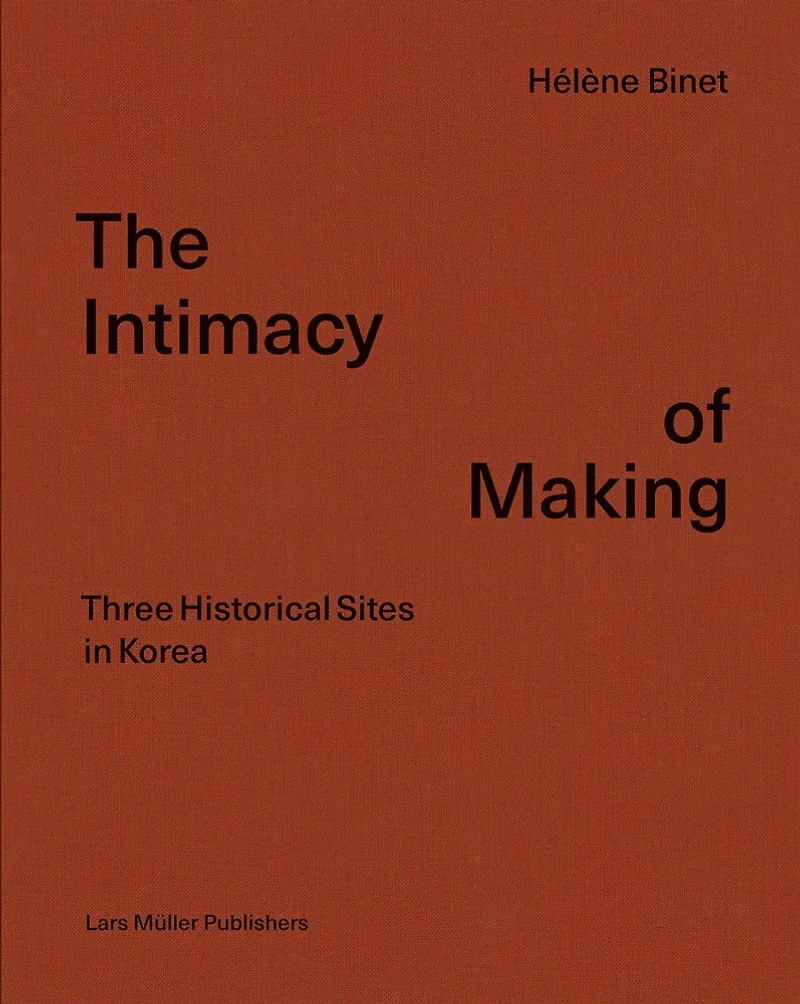
Hélène Binet: The Intimacy of Making: Three Historical Sites in Korea in Ottawa, ON
Current price: $91.00

Hélène Binet: The Intimacy of Making: Three Historical Sites in Korea in Ottawa, ON
Current price: $91.00
Loading Inventory...
Size: Hardcover
*Product information may vary - to confirm product availability, pricing, shipping and return information please contact Coles
The shrines, gardens, tea houses and sacred sites of Korea, as portrayed by architectural photographer Hélène Binet In The Intimacy of Making , London-based Swiss-French photographer Hélène Binet (born 1959) takes us on a visual journey through a world of stone, walls and gardens to depict and celebrate the Korean art of making, and to discover traditional Korean architecture through a Western lens.
In Binet’s photographs, which were taken over the course of the last three years, we encounter three typologies of traditional architecture in South Korea: the Confucian school and sacred site of Byeongsan Seowon; the garden and tea house Soswaewon; and the Jongmyo shrine. Her camera unites the natural surrounds and the built structures to convey the atmosphere of these three sites.
The photographic essays are accompanied by two texts: Korean architect Byoung Soo Cho offers insight into the cultural and architectural history, while art and design critic and teacher Eugnie Shinkle focuses on the Korean makerly ethos.
The shrines, gardens, tea houses and sacred sites of Korea, as portrayed by architectural photographer Hélène Binet In The Intimacy of Making , London-based Swiss-French photographer Hélène Binet (born 1959) takes us on a visual journey through a world of stone, walls and gardens to depict and celebrate the Korean art of making, and to discover traditional Korean architecture through a Western lens.
In Binet’s photographs, which were taken over the course of the last three years, we encounter three typologies of traditional architecture in South Korea: the Confucian school and sacred site of Byeongsan Seowon; the garden and tea house Soswaewon; and the Jongmyo shrine. Her camera unites the natural surrounds and the built structures to convey the atmosphere of these three sites.
The photographic essays are accompanied by two texts: Korean architect Byoung Soo Cho offers insight into the cultural and architectural history, while art and design critic and teacher Eugnie Shinkle focuses on the Korean makerly ethos.
You May Also Like










More About Coles at Bayshore Shopping Centre
Coles is renowned for its outstanding customer service and great selection of books. Along with the vast array of magazines, stationary, audio-books, children's literature, fiction, non-fiction and reference books, you can find accessories to make your reading experience more pleasurable. We can recommend the very best in reading today. We will help you search our titles for exactly what you need, and if we do not have it in stock, we will order it for you.
100 Bayshore Dr, Nepean, ON K2B 8C1, Canada
Find Coles at Bayshore Shopping Centre in Ottawa, ON
Visit Coles at Bayshore Shopping Centre in Ottawa, ON