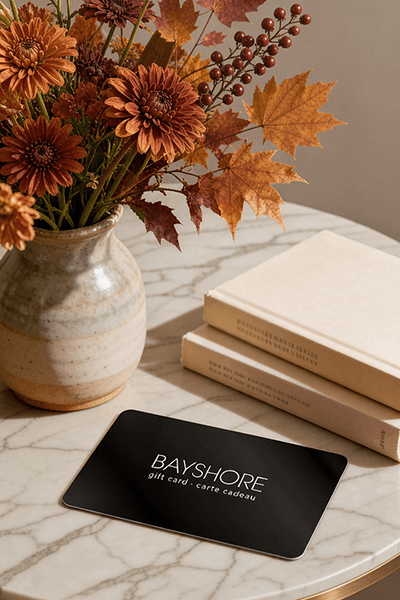
Too many options? Treat your friends and family to their favourite stores with a Bayshore Shopping Centre gift card, redeemable at participating retailers throughout the centre. Click below to purchase yours today!Purchase Here
Coles Hemingway's Laboratory: The Paris our time at Bayshore Shopping Centre in Ottawa, ON
*Product information may vary - to confirm product availability, pricing, shipping and return information please contact Coles
Illuminates the development of Hemingway’s themes and techniques and his future course as a stylist and writer.
In 1924 Ernest Hemingway published a small book of eighteen vignettes, each little more than one page long, with a small press in Paris. Titled in our time , the volume was later absorbed into Hemingway’s story collection In Our Time . Those vignettes, as Milton Cohen demonstrates in Hemingway’s Laboratory , reveal a range of voices, narrative strategies, and fictional interests more wide-ranging and experimental than any other extant work of Hemingway’s. Further, they provide a vivid view of his earliest tendencies and influences, first manifestations of the style that would become his hallmark, and daring departures into narrative forms that he would forever leave behind.
Many of the chapters are pointillistic glimpses of violence--bullfights, a botched execution, the fleeting thoughts of the wounded on the battlefield. Others reach back into childhood. Still others adopt the wry, mannered voice of English aristocracy. Though critics have often read these chapters as secondary asides to the longer stories that constitute the commercial collection, Cohen argues that not only do the vignettes merit consideration as a unit unto themselves, but that they exhibit a plethora of styles and narrative gambits that show Hemingway at his most versatile.
The final section examines in detail the individual chapters of in our time , their historical origins, their drafts, themes, and styles. The result is an account of what is arguably Hemingway’s most crucial formative period.
Illuminates the development of Hemingway’s themes and techniques and his future course as a stylist and writer.
In 1924 Ernest Hemingway published a small book of eighteen vignettes, each little more than one page long, with a small press in Paris. Titled in our time , the volume was later absorbed into Hemingway’s story collection In Our Time . Those vignettes, as Milton Cohen demonstrates in Hemingway’s Laboratory , reveal a range of voices, narrative strategies, and fictional interests more wide-ranging and experimental than any other extant work of Hemingway’s. Further, they provide a vivid view of his earliest tendencies and influences, first manifestations of the style that would become his hallmark, and daring departures into narrative forms that he would forever leave behind.
Many of the chapters are pointillistic glimpses of violence--bullfights, a botched execution, the fleeting thoughts of the wounded on the battlefield. Others reach back into childhood. Still others adopt the wry, mannered voice of English aristocracy. Though critics have often read these chapters as secondary asides to the longer stories that constitute the commercial collection, Cohen argues that not only do the vignettes merit consideration as a unit unto themselves, but that they exhibit a plethora of styles and narrative gambits that show Hemingway at his most versatile.
The final section examines in detail the individual chapters of in our time , their historical origins, their drafts, themes, and styles. The result is an account of what is arguably Hemingway’s most crucial formative period.
Coles is renowned for its outstanding customer service and great selection of books. Along with the vast array of magazines, stationary, audio-books, children's literature, fiction, non-fiction and reference books, you can find accessories to make your reading experience more pleasurable. We can recommend the very best in reading today. We will help you search our titles for exactly what you need, and if we do not have it in stock, we will order it for you.