

Give the Gift of Choice!
Too many options? Treat your friends and family to their favourite stores with a Bayshore Shopping Centre gift card, redeemable at participating retailers throughout the centre. Click below to purchase yours today!Purchase HereHome
Herder's Philosophy
Coles
Loading Inventory...
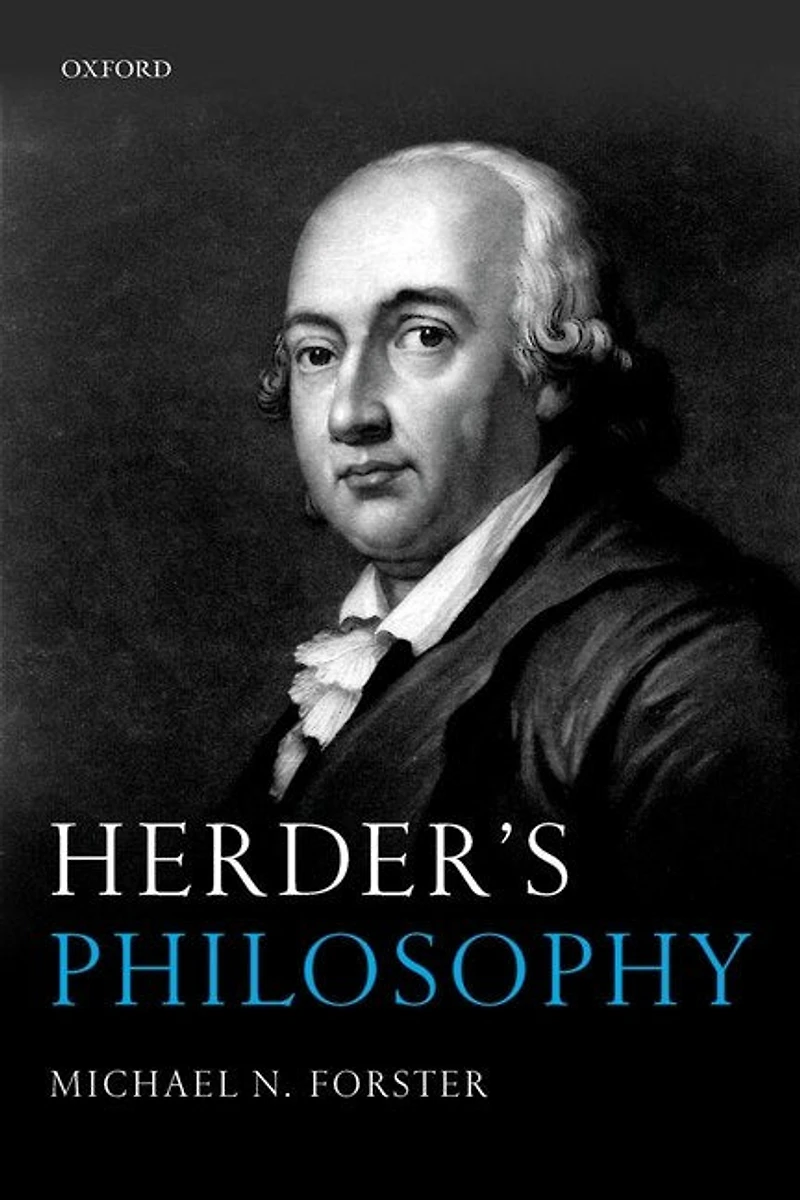
Herder's Philosophy in Ottawa, ON
By None
Current price: $71.50

By None
Herder's Philosophy in Ottawa, ON
Current price: $71.50
Loading Inventory...
Size: Hardcover
*Product information may vary - to confirm product availability, pricing, shipping and return information please contact Coles
Johann Gottfried Herder (1744-1803) is a towering figure in modern thought, but one who has hitherto been severely underappreciated. Michael Forster seeks to rectify that situation He considers Herder's philosophy in the round and argues that it is both far more impressive in quality and far more influential in modern thought than has previously been realized. After an introduction on Herder's intellectual biography, philosophical style, and general program in philosophy, there are chapters on his philosophy of language, his hermeneutics, his theory of translation, his contribution of the philosophical foundations for both linguistics and cultural anthropology, his philosophy of mind, his aesthetics, his moral philosophy, his philosophy of history, his political philosophy, his philosophy of religion, and his intellectual influence. Forster argues that Herder contributed vitally important ideas in all of these areas; that in many of them his ideas were seminal for major subsequent philosophers, including Friedrich Schlegel, Schleiermacher, Wilhelm von Humboldt, Hegel, and Nietzsche; that they indeed founded whole new disciplines, such as linguistics, anthropology, and comparative literature; and that moreover they were in many cases even better than what these subsequent thinkers and disciplines went on to make of them.
Johann Gottfried Herder (1744-1803) is a towering figure in modern thought, but one who has hitherto been severely underappreciated. Michael Forster seeks to rectify that situation He considers Herder's philosophy in the round and argues that it is both far more impressive in quality and far more influential in modern thought than has previously been realized. After an introduction on Herder's intellectual biography, philosophical style, and general program in philosophy, there are chapters on his philosophy of language, his hermeneutics, his theory of translation, his contribution of the philosophical foundations for both linguistics and cultural anthropology, his philosophy of mind, his aesthetics, his moral philosophy, his philosophy of history, his political philosophy, his philosophy of religion, and his intellectual influence. Forster argues that Herder contributed vitally important ideas in all of these areas; that in many of them his ideas were seminal for major subsequent philosophers, including Friedrich Schlegel, Schleiermacher, Wilhelm von Humboldt, Hegel, and Nietzsche; that they indeed founded whole new disciplines, such as linguistics, anthropology, and comparative literature; and that moreover they were in many cases even better than what these subsequent thinkers and disciplines went on to make of them.
You May Also Like















More About Coles at Bayshore Shopping Centre
Coles is renowned for its outstanding customer service and great selection of books. Along with the vast array of magazines, stationary, audio-books, children's literature, fiction, non-fiction and reference books, you can find accessories to make your reading experience more pleasurable. We can recommend the very best in reading today. We will help you search our titles for exactly what you need, and if we do not have it in stock, we will order it for you.
100 Bayshore Dr, Nepean, ON K2B 8C1, Canada
Find Coles at Bayshore Shopping Centre in Ottawa, ON
Visit Coles at Bayshore Shopping Centre in Ottawa, ON