

Give the Gift of Choice!
Too many options? Treat your friends and family to their favourite stores with a Bayshore Shopping Centre gift card, redeemable at participating retailers throughout the centre. Click below to purchase yours today!Purchase HereHome
Hermeneutics, History, and Technology: the Call of Future
Coles
Loading Inventory...
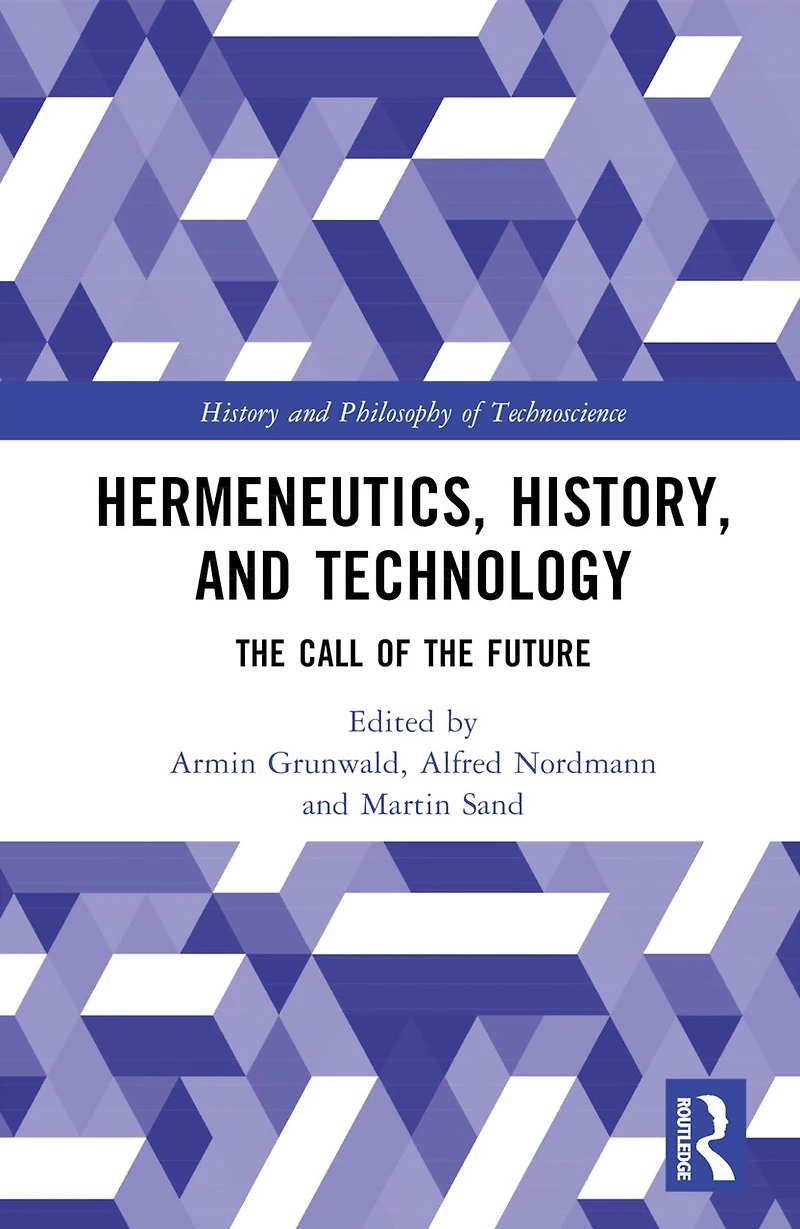
Hermeneutics, History, and Technology: the Call of Future in Ottawa, ON
Current price: $296.50

Hermeneutics, History, and Technology: the Call of Future in Ottawa, ON
Current price: $296.50
Loading Inventory...
Size: Hardcover
*Product information may vary - to confirm product availability, pricing, shipping and return information please contact Coles
For better and worse, the future is often conceived in technological terms. Technology is supposed to meet the challenge of climate change or resource depletion. And when one asks about the world in 20 or 100 years, answers typically revolve around AI, genome editing, or geoengineering. There is great demand to speculate about the future of work, the future of mobility, Industry 4.0, and Humanity 2.0. The humanities and social sciences, science studies, and technology assessment respond to this demand but need to seek out a responsible way of taking the future into account. This collection of papers, interviews, debates grew out of disagreements about technological futures, speculative ethics, plausible scenarios, anticipatory governance, and proactionary and precautionary approaches. It proposes Hermeneutic Technology Assessment as a way of understanding ourselves through our ways of envisioning the future. At the same time, a hermeneutic understanding of technological projects and prototypes allows for normative assessments of their promises. Is the future an object of design? This question can bring together and divide policy makers, STS scholars, social theorists, and philosophers of history, and it will interest also the scientists and engineers who labor under the demand to deliver that future.
For better and worse, the future is often conceived in technological terms. Technology is supposed to meet the challenge of climate change or resource depletion. And when one asks about the world in 20 or 100 years, answers typically revolve around AI, genome editing, or geoengineering. There is great demand to speculate about the future of work, the future of mobility, Industry 4.0, and Humanity 2.0. The humanities and social sciences, science studies, and technology assessment respond to this demand but need to seek out a responsible way of taking the future into account. This collection of papers, interviews, debates grew out of disagreements about technological futures, speculative ethics, plausible scenarios, anticipatory governance, and proactionary and precautionary approaches. It proposes Hermeneutic Technology Assessment as a way of understanding ourselves through our ways of envisioning the future. At the same time, a hermeneutic understanding of technological projects and prototypes allows for normative assessments of their promises. Is the future an object of design? This question can bring together and divide policy makers, STS scholars, social theorists, and philosophers of history, and it will interest also the scientists and engineers who labor under the demand to deliver that future.
You May Also Like








More About Coles at Bayshore Shopping Centre
Coles is renowned for its outstanding customer service and great selection of books. Along with the vast array of magazines, stationary, audio-books, children's literature, fiction, non-fiction and reference books, you can find accessories to make your reading experience more pleasurable. We can recommend the very best in reading today. We will help you search our titles for exactly what you need, and if we do not have it in stock, we will order it for you.
100 Bayshore Dr, Nepean, ON K2B 8C1, Canada
Find Coles at Bayshore Shopping Centre in Ottawa, ON
Visit Coles at Bayshore Shopping Centre in Ottawa, ON