

Give the Gift of Choice!
Too many options? Treat your friends and family to their favourite stores with a Bayshore Shopping Centre gift card, redeemable at participating retailers throughout the centre. Click below to purchase yours today!Purchase HereHome
Hindu-Muslim Relations: What Europe Might Learn from India
Coles
Loading Inventory...

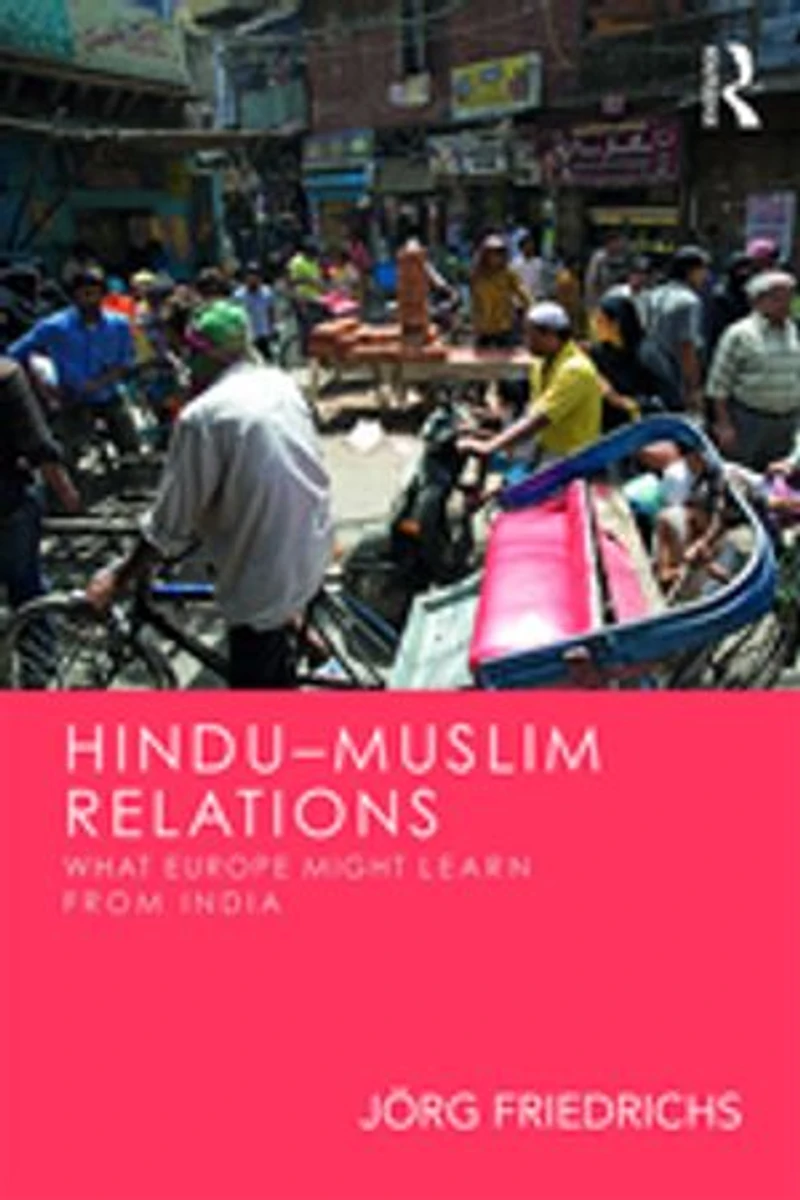
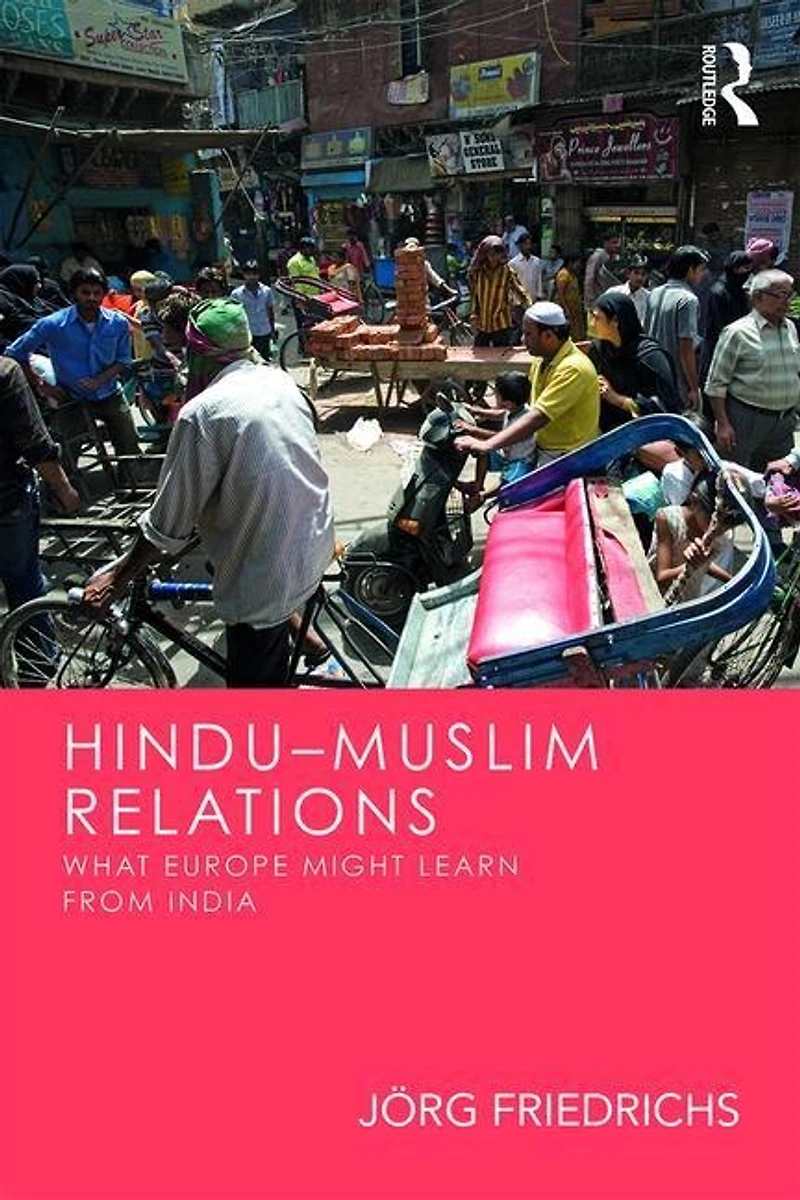
Hindu-Muslim Relations: What Europe Might Learn from India in Ottawa, ON
Current price: $296.50

Hindu-Muslim Relations: What Europe Might Learn from India in Ottawa, ON
Current price: $296.50
Loading Inventory...
Size: Hardcover
*Product information may vary - to confirm product availability, pricing, shipping and return information please contact Coles
This book reconstructs Hindu-Muslim relations from a European standpoint. Drawing from the Indian context, the author explores options for Western Europe - a region grappling with the refugee crisis and populist reactions to the growth of Muslim minorities. The author shows how India can serve not only as a model but also as a warning for Europe. For example, European liberals may learn not only from the achievements of Indian secularism but also from its crisis. Based on extensive interviews with Indians from diverse backgrounds, from politicians to social activists and from the middle class to slum dwellers, the volume investigates a wide range of perspectives: Hindu and Muslim, religious and secular, moderate and militant. Relevant, engaging and accessible, this book speaks to a broad audience of concerned citizens and policy makers. Scholars of political science, sociology, modern history, cultural studies and South Asian studies will be particularly interested.
This book reconstructs Hindu-Muslim relations from a European standpoint. Drawing from the Indian context, the author explores options for Western Europe - a region grappling with the refugee crisis and populist reactions to the growth of Muslim minorities. The author shows how India can serve not only as a model but also as a warning for Europe. For example, European liberals may learn not only from the achievements of Indian secularism but also from its crisis. Based on extensive interviews with Indians from diverse backgrounds, from politicians to social activists and from the middle class to slum dwellers, the volume investigates a wide range of perspectives: Hindu and Muslim, religious and secular, moderate and militant. Relevant, engaging and accessible, this book speaks to a broad audience of concerned citizens and policy makers. Scholars of political science, sociology, modern history, cultural studies and South Asian studies will be particularly interested.
You May Also Like











More About Coles at Bayshore Shopping Centre
Coles is renowned for its outstanding customer service and great selection of books. Along with the vast array of magazines, stationary, audio-books, children's literature, fiction, non-fiction and reference books, you can find accessories to make your reading experience more pleasurable. We can recommend the very best in reading today. We will help you search our titles for exactly what you need, and if we do not have it in stock, we will order it for you.
100 Bayshore Dr, Nepean, ON K2B 8C1, Canada
Find Coles at Bayshore Shopping Centre in Ottawa, ON
Visit Coles at Bayshore Shopping Centre in Ottawa, ON