

Give the Gift of Choice!
Too many options? Treat your friends and family to their favourite stores with a Bayshore Shopping Centre gift card, redeemable at participating retailers throughout the centre. Click below to purchase yours today!Purchase HereHome
Hippias Minor or The Art of Cunning: A New Translation of Plato's Most Controversial Dialogue
Coles
Loading Inventory...
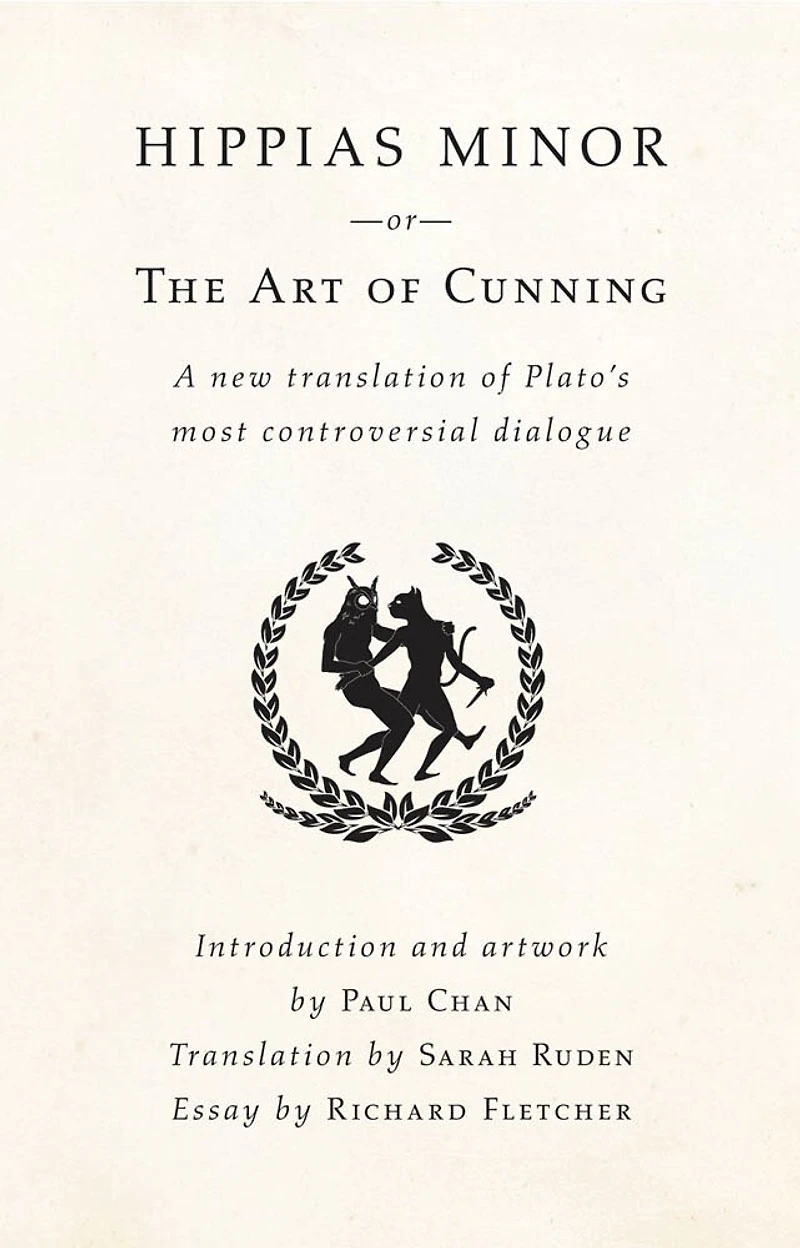
Hippias Minor or The Art of Cunning: A New Translation of Plato's Most Controversial Dialogue in Ottawa, ON
Current price: $22.95

Hippias Minor or The Art of Cunning: A New Translation of Plato's Most Controversial Dialogue in Ottawa, ON
Current price: $22.95
Loading Inventory...
Size: Paperback
*Product information may vary - to confirm product availability, pricing, shipping and return information please contact Coles
A provocative dialogue about art as a form of wrongdoing One of Plato's most controversial dialogues, Hippias Minor details Socrates' claims that there is no difference between a person who tells the truth and one who lies, and that the good man is the one who willingly makes mistakes and does wrong. But what if Socrates wasn't merely championing the act of lying--as the dialogue has been traditionally interpreted--but, rather, advocating the power of the creative act?
In this new translation by Sarah Ruden, Hippias Minor is rendered anew as a provocative dialogue about how art is a form of wrongdoing. The accompanying introduction by artist Paul Chan and essay by classicist Richard Fletcher argue that an understanding of the dialogue makes life more ethical by paradoxically teaching one to be more cunning.
A provocative dialogue about art as a form of wrongdoing One of Plato's most controversial dialogues, Hippias Minor details Socrates' claims that there is no difference between a person who tells the truth and one who lies, and that the good man is the one who willingly makes mistakes and does wrong. But what if Socrates wasn't merely championing the act of lying--as the dialogue has been traditionally interpreted--but, rather, advocating the power of the creative act?
In this new translation by Sarah Ruden, Hippias Minor is rendered anew as a provocative dialogue about how art is a form of wrongdoing. The accompanying introduction by artist Paul Chan and essay by classicist Richard Fletcher argue that an understanding of the dialogue makes life more ethical by paradoxically teaching one to be more cunning.
You May Also Like









More About Coles at Bayshore Shopping Centre
Coles is renowned for its outstanding customer service and great selection of books. Along with the vast array of magazines, stationary, audio-books, children's literature, fiction, non-fiction and reference books, you can find accessories to make your reading experience more pleasurable. We can recommend the very best in reading today. We will help you search our titles for exactly what you need, and if we do not have it in stock, we will order it for you.
100 Bayshore Dr, Nepean, ON K2B 8C1, Canada
Find Coles at Bayshore Shopping Centre in Ottawa, ON
Visit Coles at Bayshore Shopping Centre in Ottawa, ON