

Give the Gift of Choice!
Too many options? Treat your friends and family to their favourite stores with a Bayshore Shopping Centre gift card, redeemable at participating retailers throughout the centre. Click below to purchase yours today!Purchase HereHome
History, Memory, and State-Sponsored Violence: Time and Justice
Coles
Loading Inventory...
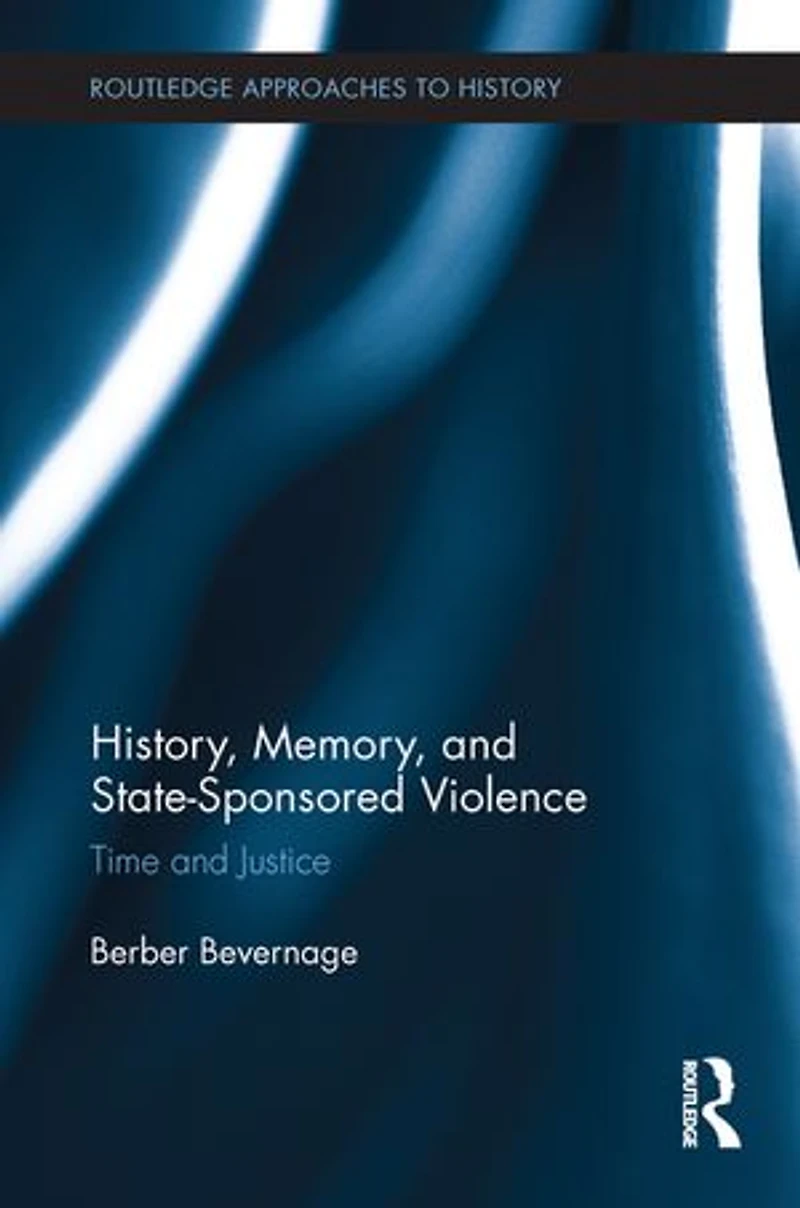
History, Memory, and State-Sponsored Violence: Time and Justice in Ottawa, ON
Current price: $89.56

History, Memory, and State-Sponsored Violence: Time and Justice in Ottawa, ON
Current price: $89.56
Loading Inventory...
Size: Kobo eBook
*Product information may vary - to confirm product availability, pricing, shipping and return information please contact Coles
Modern historiography embraces the notion that time is irreversible, implying that the past should be imagined as something ‘absent’ or ‘distant.’ Victims of historical injustice, however, in contrast, often claim that the past got ‘stuck’ in the present and that it retains a haunting presence. History, Memory, and State-Sponsored Violence is centered around the provocative thesis that the way one deals with historical injustice and the ethics of history is strongly dependent on the way one conceives of historical time; that the concept of time traditionally used by historians is structurally more compatible with the perpetrators’ than the victims’ point of view. Demonstrating that the claim of victims about the continuing presence of the past should be taken seriously, instead of being treated as merely metaphorical, Berber Bevernage argues that a genuine understanding of the ‘irrevocable’ past demands a radical break with modern historical discourse and the concept of time.
By embedding a profound philosophical reflection on the themes of historical time and historical discourse in a concrete series of case studies, this project transcends the traditional divide between ‘empirical’ historiography on the one hand and the so called ‘theoretical’ approaches to history on the other. It also breaks with the conventional ‘analytical’ philosophy of history that has been dominant during the last decades, raising a series of long-neglected ‘big questions’ about the historical condition – questions about historical time, the unity of history, and the ontological status of present and past –programmatically pleading for a new historical ethics.
Modern historiography embraces the notion that time is irreversible, implying that the past should be imagined as something ‘absent’ or ‘distant.’ Victims of historical injustice, however, in contrast, often claim that the past got ‘stuck’ in the present and that it retains a haunting presence. History, Memory, and State-Sponsored Violence is centered around the provocative thesis that the way one deals with historical injustice and the ethics of history is strongly dependent on the way one conceives of historical time; that the concept of time traditionally used by historians is structurally more compatible with the perpetrators’ than the victims’ point of view. Demonstrating that the claim of victims about the continuing presence of the past should be taken seriously, instead of being treated as merely metaphorical, Berber Bevernage argues that a genuine understanding of the ‘irrevocable’ past demands a radical break with modern historical discourse and the concept of time.
By embedding a profound philosophical reflection on the themes of historical time and historical discourse in a concrete series of case studies, this project transcends the traditional divide between ‘empirical’ historiography on the one hand and the so called ‘theoretical’ approaches to history on the other. It also breaks with the conventional ‘analytical’ philosophy of history that has been dominant during the last decades, raising a series of long-neglected ‘big questions’ about the historical condition – questions about historical time, the unity of history, and the ontological status of present and past –programmatically pleading for a new historical ethics.
You May Also Like










More About Coles at Bayshore Shopping Centre
Coles is renowned for its outstanding customer service and great selection of books. Along with the vast array of magazines, stationary, audio-books, children's literature, fiction, non-fiction and reference books, you can find accessories to make your reading experience more pleasurable. We can recommend the very best in reading today. We will help you search our titles for exactly what you need, and if we do not have it in stock, we will order it for you.
100 Bayshore Dr, Nepean, ON K2B 8C1, Canada
Find Coles at Bayshore Shopping Centre in Ottawa, ON
Visit Coles at Bayshore Shopping Centre in Ottawa, ON