

Give the Gift of Choice!
Too many options? Treat your friends and family to their favourite stores with a Bayshore Shopping Centre gift card, redeemable at participating retailers throughout the centre. Click below to purchase yours today!Purchase HereHome
Holistic Financial Literacy Education: Laying the Groundwork with Equitable Instructional Strategies
Coles
Loading Inventory...
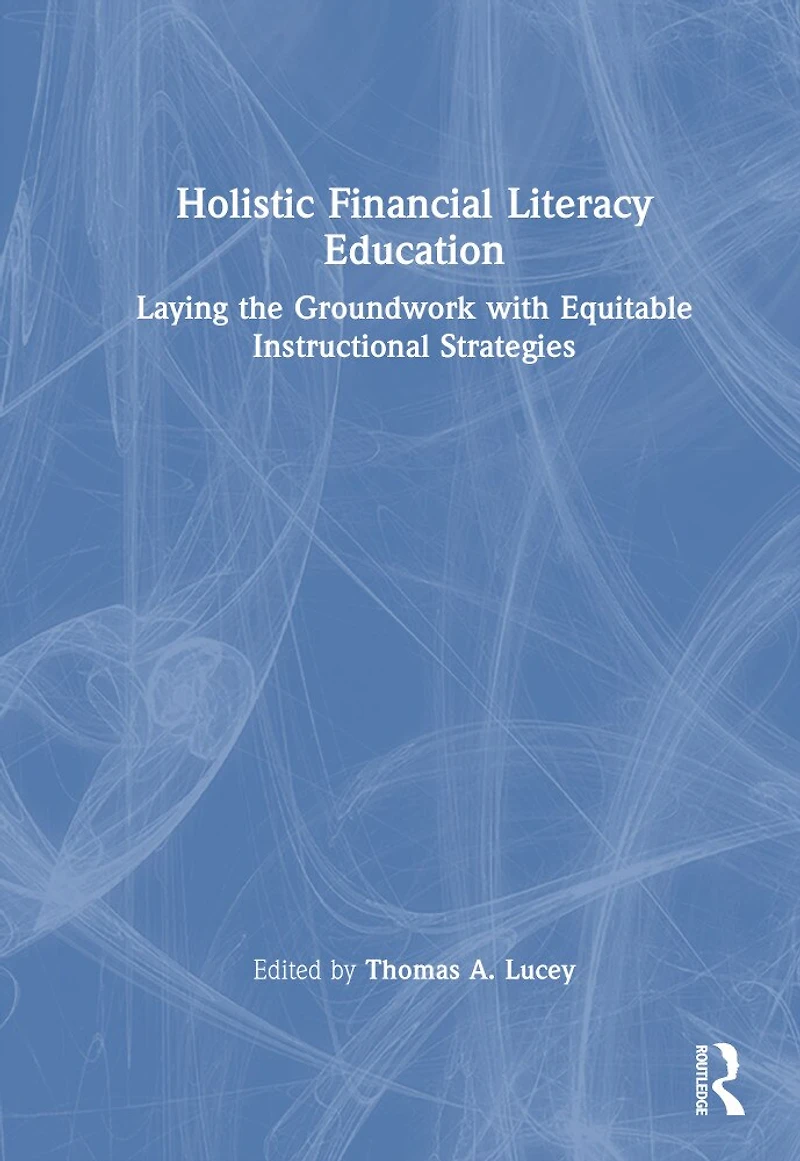
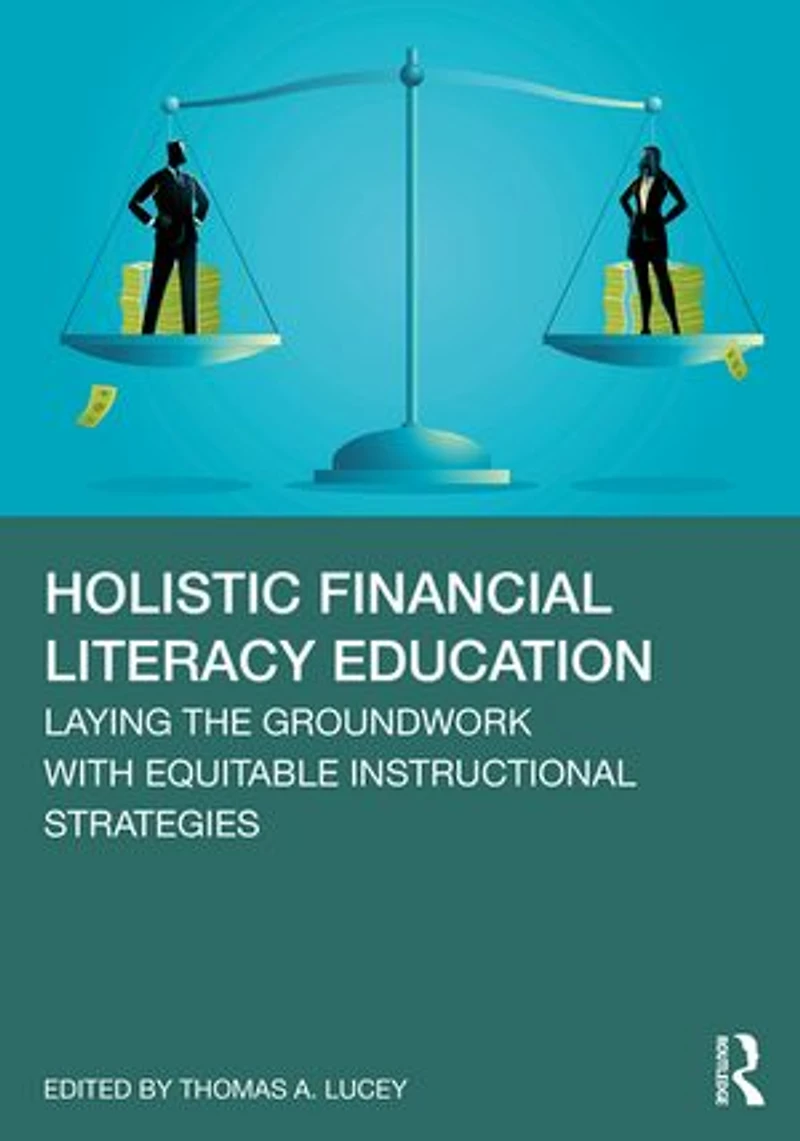
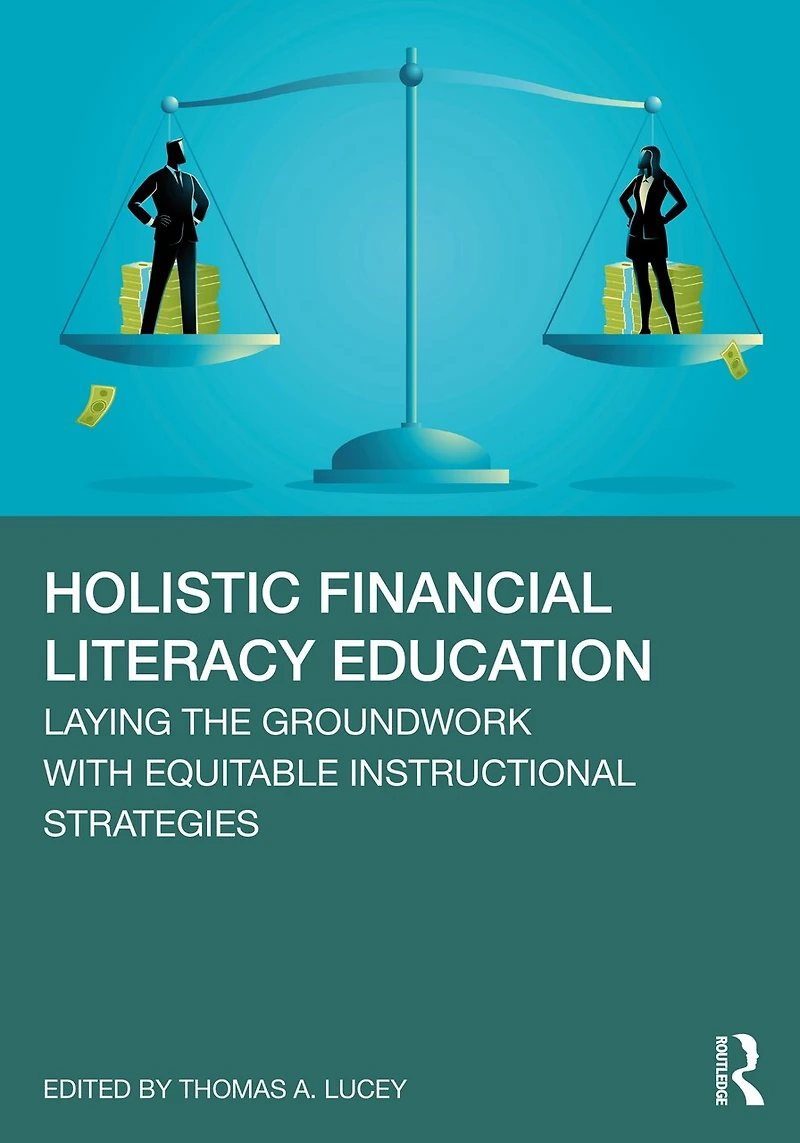
Holistic Financial Literacy Education: Laying the Groundwork with Equitable Instructional Strategies in Ottawa, ON
Current price: $296.50

Holistic Financial Literacy Education: Laying the Groundwork with Equitable Instructional Strategies in Ottawa, ON
Current price: $296.50
Loading Inventory...
Size: Hardcover
*Product information may vary - to confirm product availability, pricing, shipping and return information please contact Coles
Holistic Financial Literacy Education provides a scholarly foundation for a holistic vision of financial literacy, as well as instructional strategies for its teaching. This text shows pre- and in-service educators why and how we can teach financial literacy to youth within the social studies curriculum. This book employs a holistic approach to demonstrate how teachers can enhance youth financial literacy by addressing the interconnected personal, communal, and societal factors that shape financial understanding. It promotes discussions of the social principles and contexts that inform financial literacy and global human well-being, as well as the social consequences for a reductionist perspective of personal finances. Its eleven chapters cover a plethora of topics from corporate ethics to psychological considerations, to social biases. Combining theory with practice, this book offers classroom strategies, lesson plans, and practical guidance for teaching financial literacy and challenging current societal norms.
Holistic Financial Literacy Education provides a scholarly foundation for a holistic vision of financial literacy, as well as instructional strategies for its teaching. This text shows pre- and in-service educators why and how we can teach financial literacy to youth within the social studies curriculum. This book employs a holistic approach to demonstrate how teachers can enhance youth financial literacy by addressing the interconnected personal, communal, and societal factors that shape financial understanding. It promotes discussions of the social principles and contexts that inform financial literacy and global human well-being, as well as the social consequences for a reductionist perspective of personal finances. Its eleven chapters cover a plethora of topics from corporate ethics to psychological considerations, to social biases. Combining theory with practice, this book offers classroom strategies, lesson plans, and practical guidance for teaching financial literacy and challenging current societal norms.
You May Also Like










More About Coles at Bayshore Shopping Centre
Coles is renowned for its outstanding customer service and great selection of books. Along with the vast array of magazines, stationary, audio-books, children's literature, fiction, non-fiction and reference books, you can find accessories to make your reading experience more pleasurable. We can recommend the very best in reading today. We will help you search our titles for exactly what you need, and if we do not have it in stock, we will order it for you.
100 Bayshore Dr, Nepean, ON K2B 8C1, Canada
Find Coles at Bayshore Shopping Centre in Ottawa, ON
Visit Coles at Bayshore Shopping Centre in Ottawa, ON