

Give the Gift of Choice!
Too many options? Treat your friends and family to their favourite stores with a Bayshore Shopping Centre gift card, redeemable at participating retailers throughout the centre. Click below to purchase yours today!Purchase HereHome
Holocaust Fiction and the Question of Impiety
Coles
Loading Inventory...
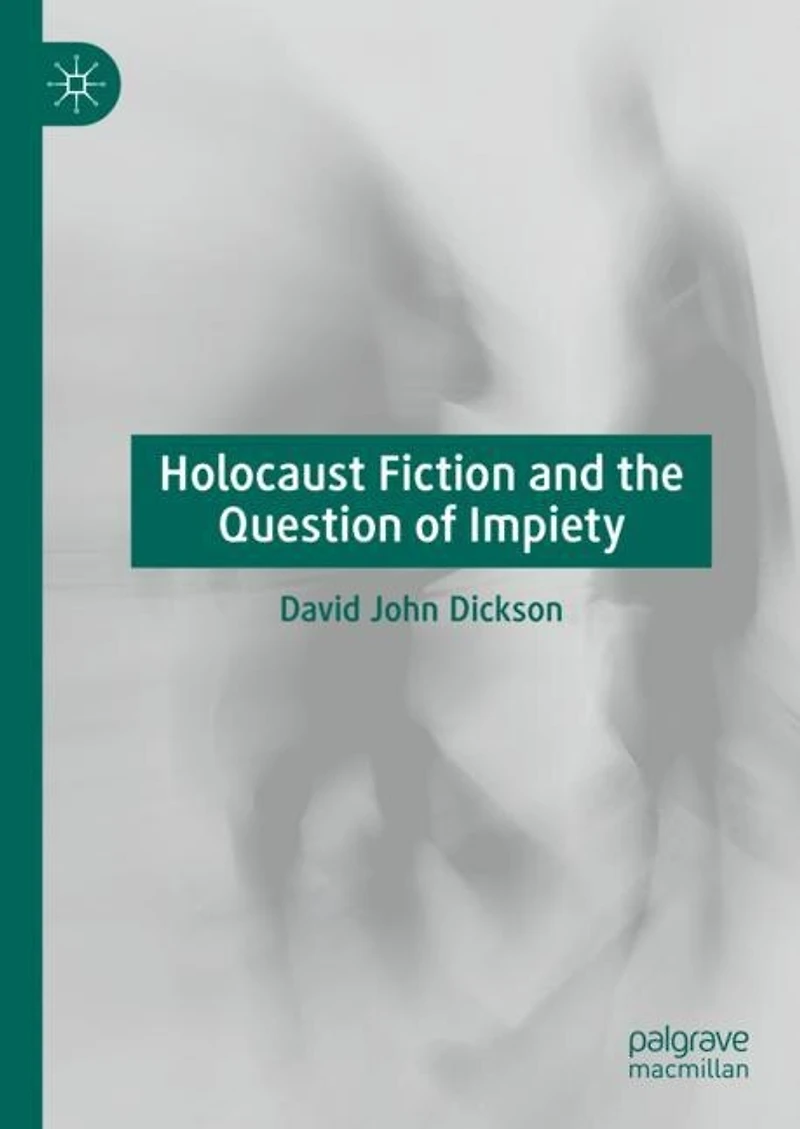
Holocaust Fiction and the Question of Impiety in Ottawa, ON
Current price: $175.50

Holocaust Fiction and the Question of Impiety in Ottawa, ON
Current price: $175.50
Loading Inventory...
Size: Hardcover
*Product information may vary - to confirm product availability, pricing, shipping and return information please contact Coles
This book discusses the issues underlying contemporary Holocaust fiction. Using Gillian Rose's theory of Holocaust piety, it argues that, rather than enhancing our understanding of the Holocaust, contemporary fiction has instead become overly focused on gratuitous representations of bodies in pain. The book begins by discussing the locations and imagery which have come to define our understanding of the Holocaust, before then highlighting how this gradual simplification has led to an increasing sense of emotional distance from the historical past. Holocaust fiction, the book argues, attempts to close this emotional and temporal distance by creating an emotional connection to bodies in pain. Using different concepts relating to embodied experience - from Sonia Kruks' notion of feeling-with to Alison Landsberg's prosthetic memory - the book analyses several key examples of Holocaust literature and film to establish whether fiction still possesses the capacity to approach the Holocaustimpiously.
This book discusses the issues underlying contemporary Holocaust fiction. Using Gillian Rose's theory of Holocaust piety, it argues that, rather than enhancing our understanding of the Holocaust, contemporary fiction has instead become overly focused on gratuitous representations of bodies in pain. The book begins by discussing the locations and imagery which have come to define our understanding of the Holocaust, before then highlighting how this gradual simplification has led to an increasing sense of emotional distance from the historical past. Holocaust fiction, the book argues, attempts to close this emotional and temporal distance by creating an emotional connection to bodies in pain. Using different concepts relating to embodied experience - from Sonia Kruks' notion of feeling-with to Alison Landsberg's prosthetic memory - the book analyses several key examples of Holocaust literature and film to establish whether fiction still possesses the capacity to approach the Holocaustimpiously.
You May Also Like








More About Coles at Bayshore Shopping Centre
Coles is renowned for its outstanding customer service and great selection of books. Along with the vast array of magazines, stationary, audio-books, children's literature, fiction, non-fiction and reference books, you can find accessories to make your reading experience more pleasurable. We can recommend the very best in reading today. We will help you search our titles for exactly what you need, and if we do not have it in stock, we will order it for you.
100 Bayshore Dr, Nepean, ON K2B 8C1, Canada
Find Coles at Bayshore Shopping Centre in Ottawa, ON
Visit Coles at Bayshore Shopping Centre in Ottawa, ON