

Give the Gift of Choice!
Too many options? Treat your friends and family to their favourite stores with a Bayshore Shopping Centre gift card, redeemable at participating retailers throughout the centre. Click below to purchase yours today!Purchase HereHome
Houses, Families
Coles
Loading Inventory...
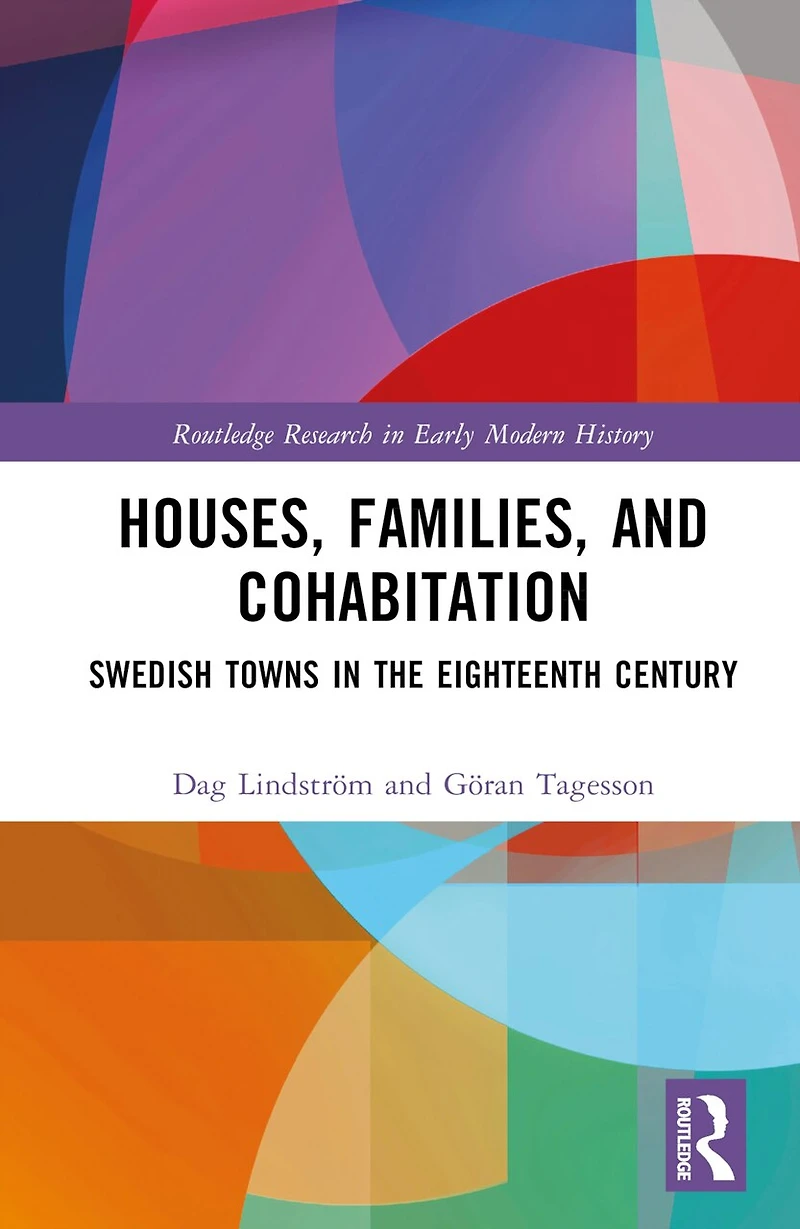
Houses, Families in Ottawa, ON
Current price: $288.95

Houses, Families in Ottawa, ON
Current price: $288.95
Loading Inventory...
Size: Hardcover
*Product information may vary - to confirm product availability, pricing, shipping and return information please contact Coles
This book is an interdisciplinary study that draws on a combination of archaeological evidence, building archaeological analysis, archival sources to explore the dynamic relations between dwelling houses, social organization of households, and patterns of cohabitation during the eighteenth century. The empirical focus of this book is on Swedish towns, but it also addresses more general issues about urbanity and urban life, space and social organization, and materiality and individual agency. Aggregated questions about urban life and urban space are combined with a micro historical method revealing aspects of daily life and urban change. This study unveils a previously neglected history. Swedish eighteenth century towns have commonly been identified as a territory characterized by its sleepy absence of change. This study proves the opposite. Houses were built larger, with more diverse and complex inner structures. Family structures changed; households generally became smaller, the share of households headed by a married couple declined, and the number of single households increased. Population density increased, the number of families residing in the same house increased, and rental accommodation became more prevalent. This volume is essential reading for anyone interested in early modern housing, urban change, and interdisciplinary methods.
This book is an interdisciplinary study that draws on a combination of archaeological evidence, building archaeological analysis, archival sources to explore the dynamic relations between dwelling houses, social organization of households, and patterns of cohabitation during the eighteenth century. The empirical focus of this book is on Swedish towns, but it also addresses more general issues about urbanity and urban life, space and social organization, and materiality and individual agency. Aggregated questions about urban life and urban space are combined with a micro historical method revealing aspects of daily life and urban change. This study unveils a previously neglected history. Swedish eighteenth century towns have commonly been identified as a territory characterized by its sleepy absence of change. This study proves the opposite. Houses were built larger, with more diverse and complex inner structures. Family structures changed; households generally became smaller, the share of households headed by a married couple declined, and the number of single households increased. Population density increased, the number of families residing in the same house increased, and rental accommodation became more prevalent. This volume is essential reading for anyone interested in early modern housing, urban change, and interdisciplinary methods.
You May Also Like












More About Coles at Bayshore Shopping Centre
Coles is renowned for its outstanding customer service and great selection of books. Along with the vast array of magazines, stationary, audio-books, children's literature, fiction, non-fiction and reference books, you can find accessories to make your reading experience more pleasurable. We can recommend the very best in reading today. We will help you search our titles for exactly what you need, and if we do not have it in stock, we will order it for you.
100 Bayshore Dr, Nepean, ON K2B 8C1, Canada
Find Coles at Bayshore Shopping Centre in Ottawa, ON
Visit Coles at Bayshore Shopping Centre in Ottawa, ON