

Give the Gift of Choice!
Too many options? Treat your friends and family to their favourite stores with a Bayshore Shopping Centre gift card, redeemable at participating retailers throughout the centre. Click below to purchase yours today!Purchase HereHome
How Important are Superior Numbers?: A Reappraisal of Lanchester's Square Law
Coles
Loading Inventory...
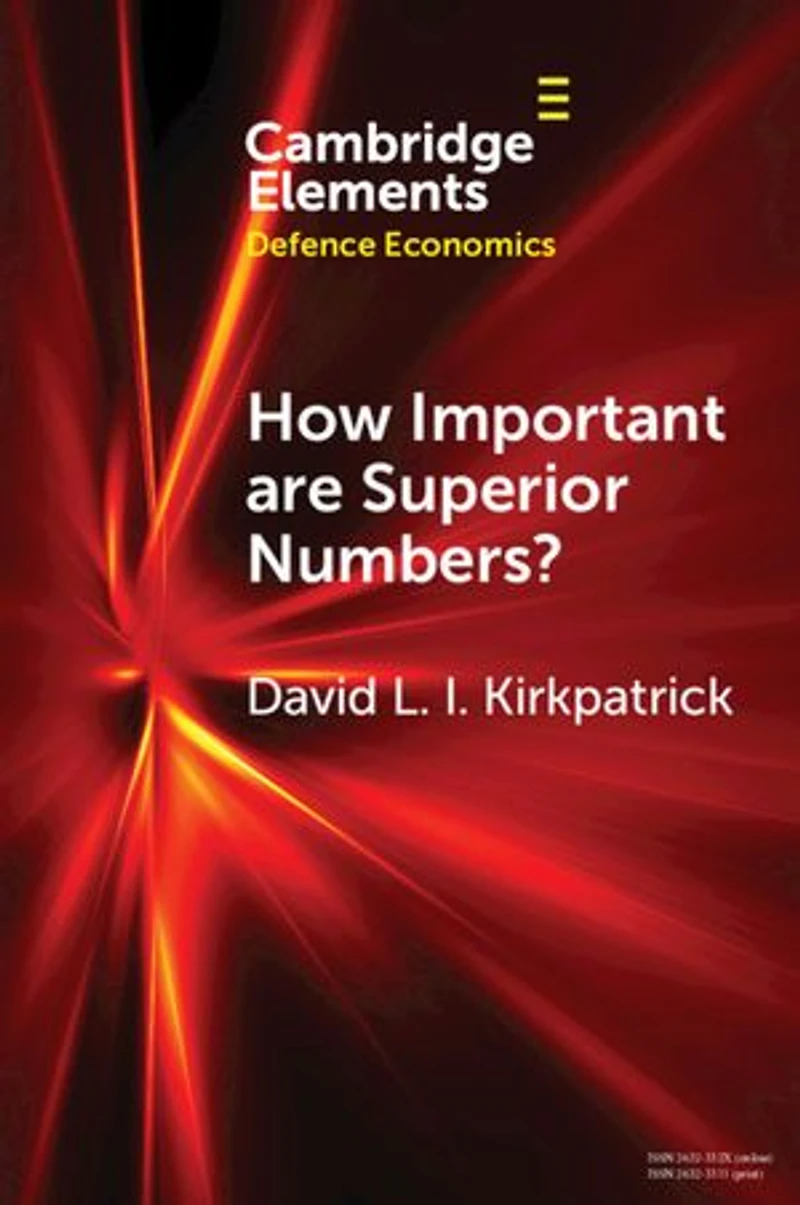
How Important are Superior Numbers?: A Reappraisal of Lanchester's Square Law in Ottawa, ON
Current price: $23.19
Original price: $28.95

How Important are Superior Numbers?: A Reappraisal of Lanchester's Square Law in Ottawa, ON
Current price: $23.19
Original price: $28.95
Loading Inventory...
Size: Kobo eBook
*Product information may vary - to confirm product availability, pricing, shipping and return information please contact Coles
A century ago Frederick Lanchester formulated a mathematical model of combat which suggested that the combat power of a military force was proportional to the product of the individual effectiveness of the units in the force and the square of the number of units deployed. This model reinforced a long-established faith in the importance of superior numbers. However, successive historical studies failed to identify any clear relationship between the numbers and losses in opposing forces. This Element analyses American Civil War battles, and shows that the ratio of losses incurred was inversely proportional to the ratio of numbers effectively engaged. This result demonstrates that the numbers of fighting units in a military force are less important than the ability of those units to get into action and inflict losses on the enemy. This result demonstrates the limitations of the Square Law, and should prevent it from being applied indiscriminately.
A century ago Frederick Lanchester formulated a mathematical model of combat which suggested that the combat power of a military force was proportional to the product of the individual effectiveness of the units in the force and the square of the number of units deployed. This model reinforced a long-established faith in the importance of superior numbers. However, successive historical studies failed to identify any clear relationship between the numbers and losses in opposing forces. This Element analyses American Civil War battles, and shows that the ratio of losses incurred was inversely proportional to the ratio of numbers effectively engaged. This result demonstrates that the numbers of fighting units in a military force are less important than the ability of those units to get into action and inflict losses on the enemy. This result demonstrates the limitations of the Square Law, and should prevent it from being applied indiscriminately.
You May Also Like











More About Coles at Bayshore Shopping Centre
Coles is renowned for its outstanding customer service and great selection of books. Along with the vast array of magazines, stationary, audio-books, children's literature, fiction, non-fiction and reference books, you can find accessories to make your reading experience more pleasurable. We can recommend the very best in reading today. We will help you search our titles for exactly what you need, and if we do not have it in stock, we will order it for you.
100 Bayshore Dr, Nepean, ON K2B 8C1, Canada
Find Coles at Bayshore Shopping Centre in Ottawa, ON
Visit Coles at Bayshore Shopping Centre in Ottawa, ON