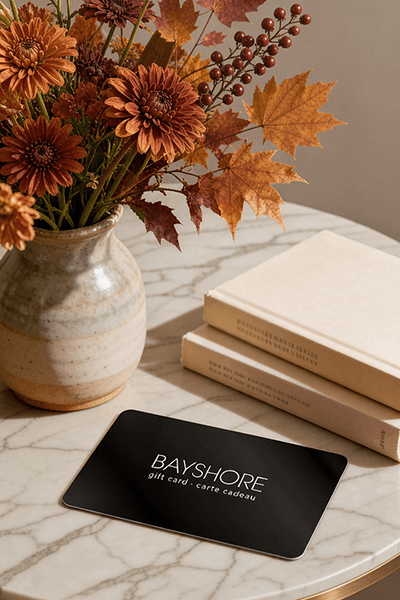
Too many options? Treat your friends and family to their favourite stores with a Bayshore Shopping Centre gift card, redeemable at participating retailers throughout the centre. Click below to purchase yours today!Purchase Here
*Product information may vary - to confirm product availability, pricing, shipping and return information please contact Coles
In How Muftis Think Lena Larsen explores fatwas that respond to questions asked by Muslim women in Western Europe in recent decades. The questions show women to be torn between two opposing notions of morality and norms: one stressing women’s duties and obedience, and one stressing women’s rights and equality before the law. Focusing on muftis who see “the time and place” as important considerations in fatwa-giving, and seek to develop a local European Islamic jurisprudence on these increasingly controversial issues, Larsen examines how they deal with women’s dilemmas. Careful not to suggest easy answers or happy endings, her discussion still holds out hope that European societies and Muslim minorities can recognize shared moral concerns.
In How Muftis Think Lena Larsen explores fatwas that respond to questions asked by Muslim women in Western Europe in recent decades. The questions show women to be torn between two opposing notions of morality and norms: one stressing women’s duties and obedience, and one stressing women’s rights and equality before the law. Focusing on muftis who see “the time and place” as important considerations in fatwa-giving, and seek to develop a local European Islamic jurisprudence on these increasingly controversial issues, Larsen examines how they deal with women’s dilemmas. Careful not to suggest easy answers or happy endings, her discussion still holds out hope that European societies and Muslim minorities can recognize shared moral concerns.
Coles is renowned for its outstanding customer service and great selection of books. Along with the vast array of magazines, stationary, audio-books, children's literature, fiction, non-fiction and reference books, you can find accessories to make your reading experience more pleasurable. We can recommend the very best in reading today. We will help you search our titles for exactly what you need, and if we do not have it in stock, we will order it for you.