

Give the Gift of Choice!
Too many options? Treat your friends and family to their favourite stores with a Bayshore Shopping Centre gift card, redeemable at participating retailers throughout the centre. Click below to purchase yours today!Purchase HereHome
How the Other Half Ate: A History of Working-Class Meals at Turn Century
Coles
Loading Inventory...

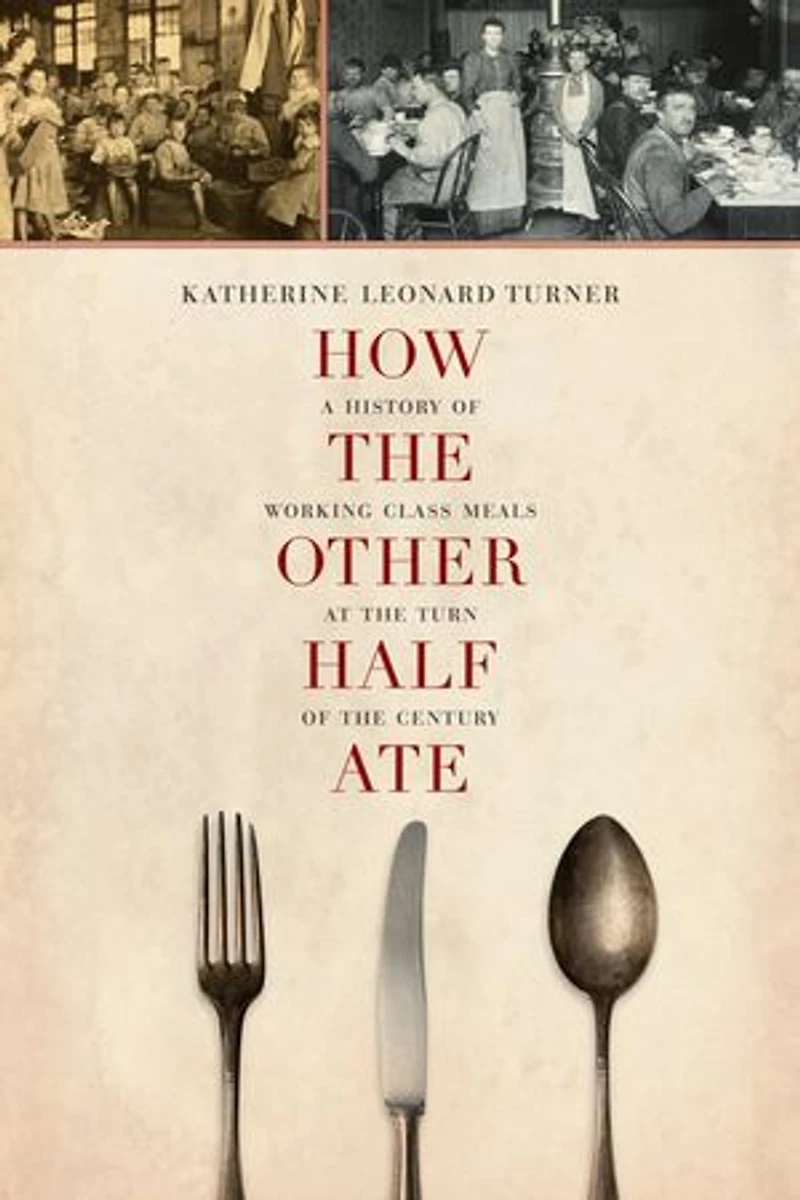
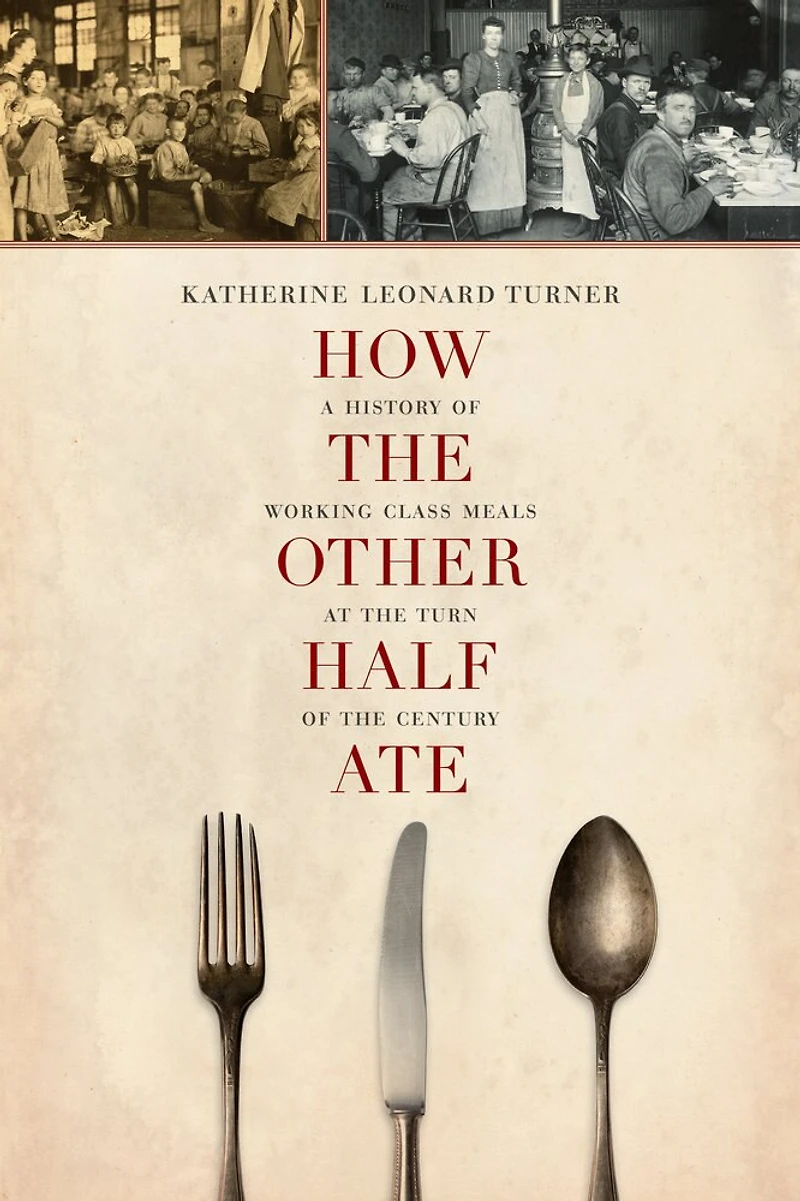
How the Other Half Ate: A History of Working-Class Meals at Turn Century in Ottawa, ON
Current price: $122.46

How the Other Half Ate: A History of Working-Class Meals at Turn Century in Ottawa, ON
Current price: $122.46
Loading Inventory...
Size: Hardcover
*Product information may vary - to confirm product availability, pricing, shipping and return information please contact Coles
In the late nineteenth and early twentieth centuries, working-class Americans had eating habits that were distinctly shaped by jobs, families, neighborhoods, and the tools, utilities, and size of their kitchens—along with their cultural heritage. How the Other Half Ate is a deep exploration by historian and lecturer Katherine Turner that delivers an unprecedented and thoroughly researched study of the changing food landscape in American working-class families from industrialization through the 1950s.
Relevant to readers across a range of disciplines—history, economics, sociology, urban studies, women’s studies, and food studies—this work fills an important gap in historical literature by illustrating how families experienced food and cooking during the so-called age of abundance. Turner delivers an engaging portrait that shows how America’s working class, in a multitude of ways, has shaped the foods we eat today.
In the late nineteenth and early twentieth centuries, working-class Americans had eating habits that were distinctly shaped by jobs, families, neighborhoods, and the tools, utilities, and size of their kitchens—along with their cultural heritage. How the Other Half Ate is a deep exploration by historian and lecturer Katherine Turner that delivers an unprecedented and thoroughly researched study of the changing food landscape in American working-class families from industrialization through the 1950s.
Relevant to readers across a range of disciplines—history, economics, sociology, urban studies, women’s studies, and food studies—this work fills an important gap in historical literature by illustrating how families experienced food and cooking during the so-called age of abundance. Turner delivers an engaging portrait that shows how America’s working class, in a multitude of ways, has shaped the foods we eat today.
You May Also Like











More About Coles at Bayshore Shopping Centre
Coles is renowned for its outstanding customer service and great selection of books. Along with the vast array of magazines, stationary, audio-books, children's literature, fiction, non-fiction and reference books, you can find accessories to make your reading experience more pleasurable. We can recommend the very best in reading today. We will help you search our titles for exactly what you need, and if we do not have it in stock, we will order it for you.
100 Bayshore Dr, Nepean, ON K2B 8C1, Canada
Find Coles at Bayshore Shopping Centre in Ottawa, ON
Visit Coles at Bayshore Shopping Centre in Ottawa, ON