

Give the Gift of Choice!
Too many options? Treat your friends and family to their favourite stores with a Bayshore Shopping Centre gift card, redeemable at participating retailers throughout the centre. Click below to purchase yours today!Purchase HereHome
How to Swindle Chess: snatch victory from a losing position
Coles
Loading Inventory...
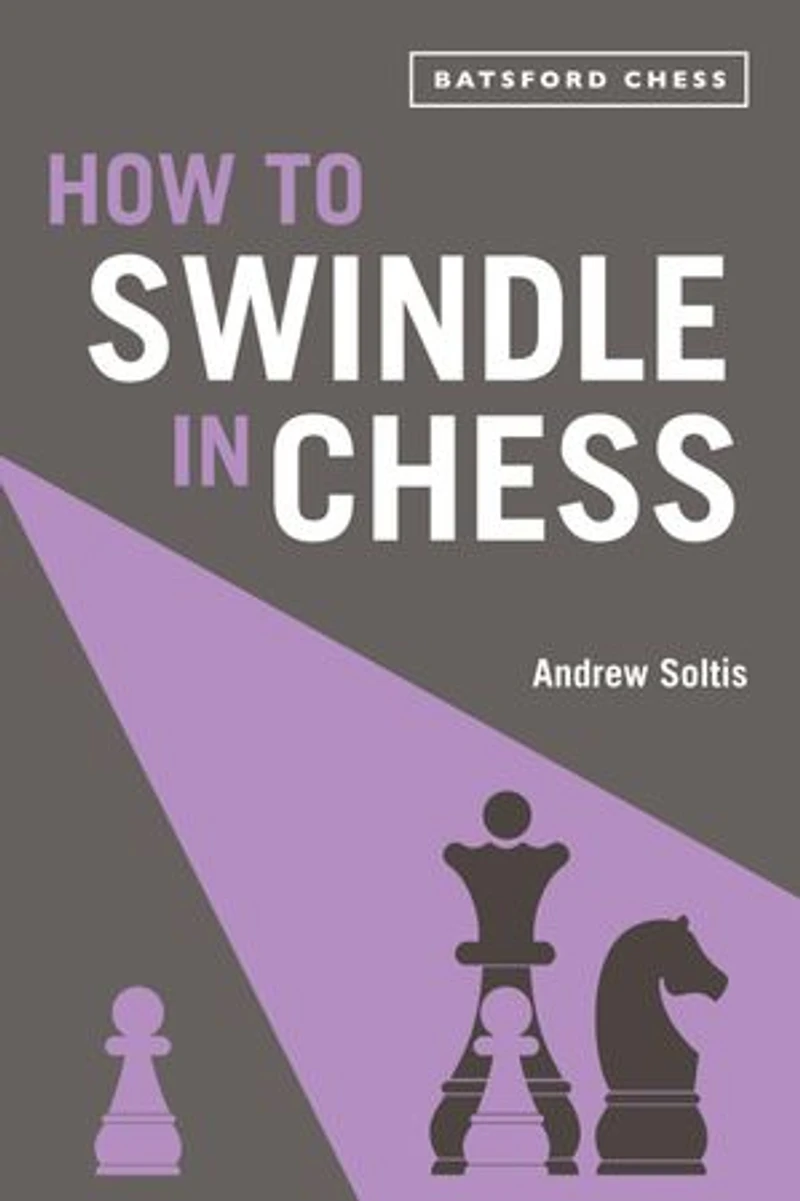
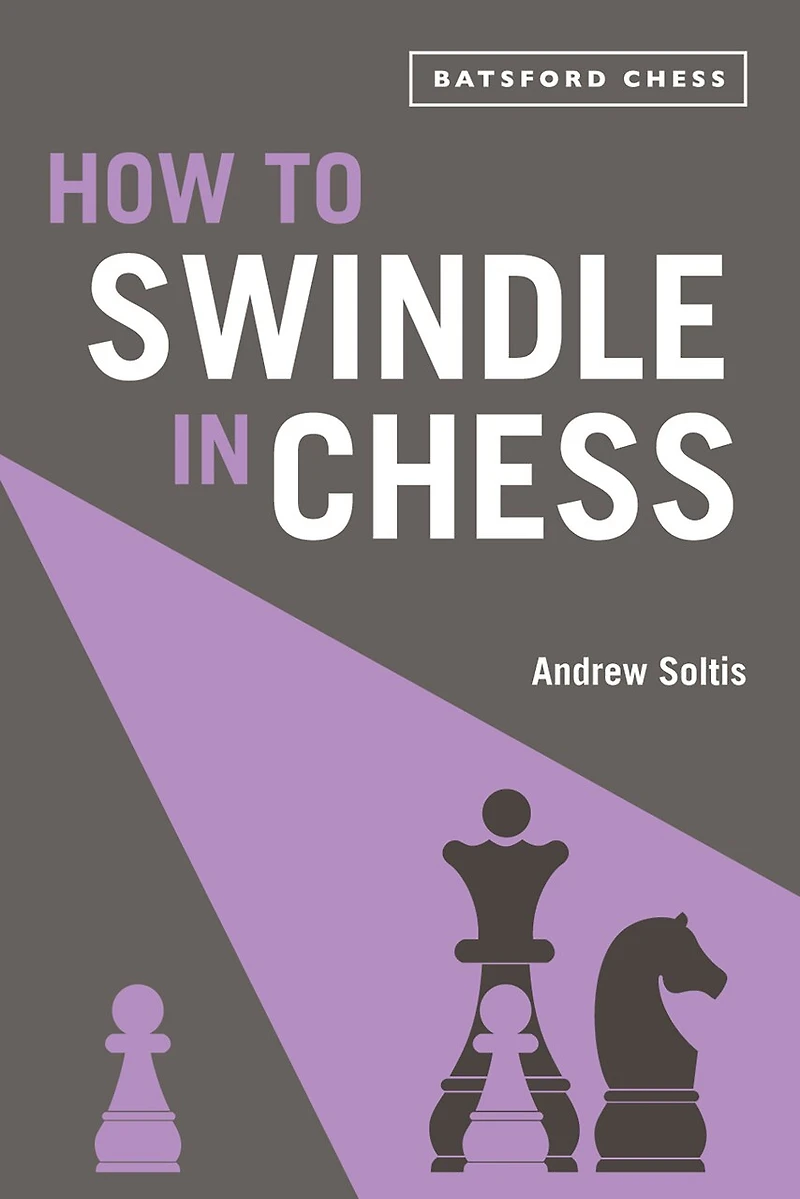
How to Swindle Chess: snatch victory from a losing position in Ottawa, ON
Current price: $16.39
Original price: $20.38

How to Swindle Chess: snatch victory from a losing position in Ottawa, ON
Current price: $16.39
Original price: $20.38
Loading Inventory...
Size: Kobo eBook
*Product information may vary - to confirm product availability, pricing, shipping and return information please contact Coles
A book by stalwart chess writer on an aspect of chess that is quite common, but little is written about, swindling in chess. In chess, a swindle is a ruse by which a player in a losing position tricks his opponent, and thereby achieves a win or draw instead of the expected loss. Renown chess writers Horowitz and Reinfeld observe that swindles, "though ignored in virtually all chess books", "play an enormously important role in over-the-board chess, and decide the fate of countless games".
Andrew Soltis, American chess journalist, says swindles are not accidental or a matter of luck. Swindling is a skill. But there has been almost nothing written about how to do it, how to make yourself lucky in chess. Swindling means setting traps that exploit an opponent's over-confidence. It means choosing the move that has the greatest chance of winning, rather than the move that has the least chance of losing.
Soltis' new proposal will explain to players of all levels how to do just that with plenty of examples to explain along the way.
A book by stalwart chess writer on an aspect of chess that is quite common, but little is written about, swindling in chess. In chess, a swindle is a ruse by which a player in a losing position tricks his opponent, and thereby achieves a win or draw instead of the expected loss. Renown chess writers Horowitz and Reinfeld observe that swindles, "though ignored in virtually all chess books", "play an enormously important role in over-the-board chess, and decide the fate of countless games".
Andrew Soltis, American chess journalist, says swindles are not accidental or a matter of luck. Swindling is a skill. But there has been almost nothing written about how to do it, how to make yourself lucky in chess. Swindling means setting traps that exploit an opponent's over-confidence. It means choosing the move that has the greatest chance of winning, rather than the move that has the least chance of losing.
Soltis' new proposal will explain to players of all levels how to do just that with plenty of examples to explain along the way.
You May Also Like









More About Coles at Bayshore Shopping Centre
Coles is renowned for its outstanding customer service and great selection of books. Along with the vast array of magazines, stationary, audio-books, children's literature, fiction, non-fiction and reference books, you can find accessories to make your reading experience more pleasurable. We can recommend the very best in reading today. We will help you search our titles for exactly what you need, and if we do not have it in stock, we will order it for you.
100 Bayshore Dr, Nepean, ON K2B 8C1, Canada
Find Coles at Bayshore Shopping Centre in Ottawa, ON
Visit Coles at Bayshore Shopping Centre in Ottawa, ON