

Give the Gift of Choice!
Too many options? Treat your friends and family to their favourite stores with a Bayshore Shopping Centre gift card, redeemable at participating retailers throughout the centre. Click below to purchase yours today!Purchase HereHome
Human Rights and the Architecture of Conflict
Coles
Loading Inventory...
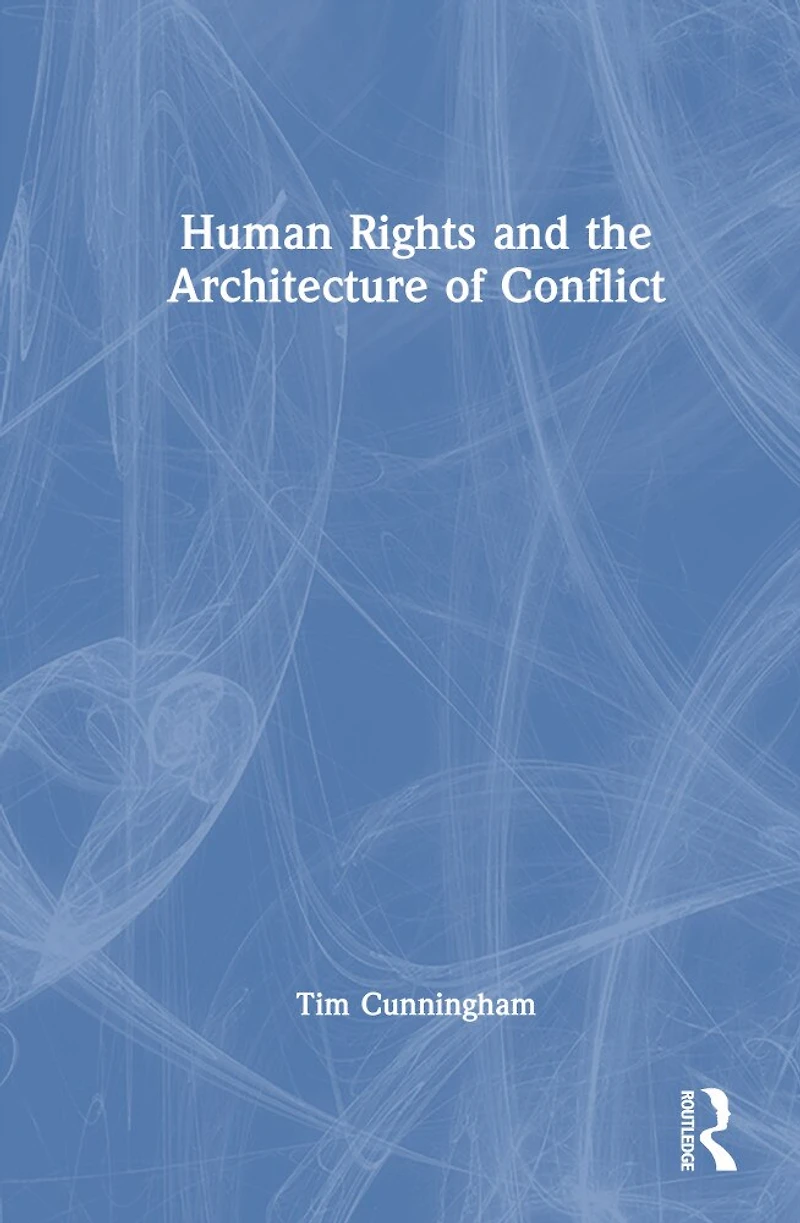
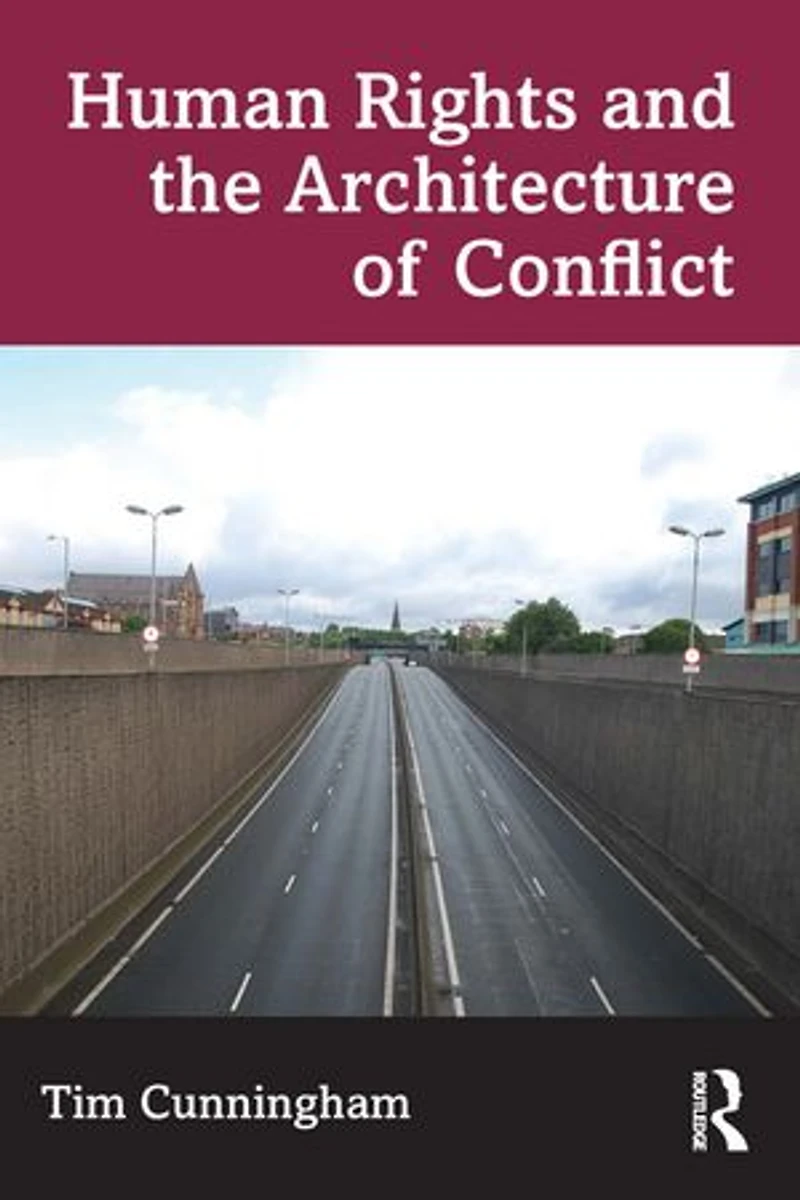
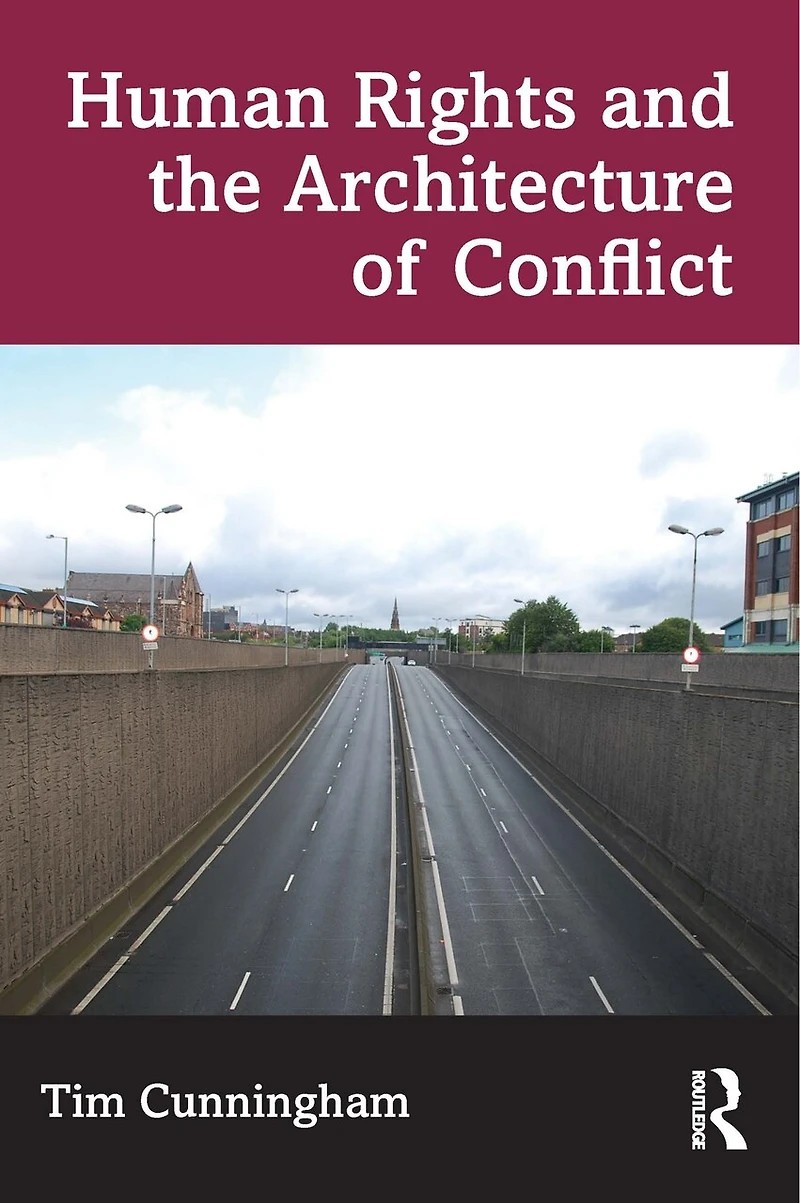
Human Rights and the Architecture of Conflict in Ottawa, ON
Current price: $296.50

Human Rights and the Architecture of Conflict in Ottawa, ON
Current price: $296.50
Loading Inventory...
Size: Hardcover
*Product information may vary - to confirm product availability, pricing, shipping and return information please contact Coles
Human Rights and the Architecture of Conflict exposes how governments, public officials and private actors on both sides of the Atlantic entrenched racial and ethnic divisions through manipulation of the planning and design of the built environment. Based on interviews, never-before-seen documents, and field work carried out in Belfast,Chicago, Miami, Washington D.C., and New York City, this book shows how the planning and design of our built environment impacts the physical, mental, social, economic, political, and environmental well-being of communities. Tim Cunningham, an urban scholar and human rights advocate, reveals how the British Army set about reconfiguring the urban fabric of Belfast as part of a counter-insurgency strategy in the 1970s. His research shows how the techniques used in Northern Ireland during this period mirror earlier processes deployed in U.S. cities under urban renewal and the Interstate Highway Program. A global genealogy of segregation, that examines the trajectory of colonial urbanism in the twentieth century, the text highlights the real-life walls and barriers that cleave communities along ethnic and racial lines and the role of architects, planners, developers, and public officials in erecting them. The final chapter considers some contemporary efforts to address the legacy of these practices through restorative architecture and planning initiatives that aim to deliver more cohesive, sustainable, and inclusive urban spaces. This book is ideal reading for courses in architecture, city planning, community development, geography, human rights, sociology, transitional justice, urban studies, and Irish history.
Human Rights and the Architecture of Conflict exposes how governments, public officials and private actors on both sides of the Atlantic entrenched racial and ethnic divisions through manipulation of the planning and design of the built environment. Based on interviews, never-before-seen documents, and field work carried out in Belfast,Chicago, Miami, Washington D.C., and New York City, this book shows how the planning and design of our built environment impacts the physical, mental, social, economic, political, and environmental well-being of communities. Tim Cunningham, an urban scholar and human rights advocate, reveals how the British Army set about reconfiguring the urban fabric of Belfast as part of a counter-insurgency strategy in the 1970s. His research shows how the techniques used in Northern Ireland during this period mirror earlier processes deployed in U.S. cities under urban renewal and the Interstate Highway Program. A global genealogy of segregation, that examines the trajectory of colonial urbanism in the twentieth century, the text highlights the real-life walls and barriers that cleave communities along ethnic and racial lines and the role of architects, planners, developers, and public officials in erecting them. The final chapter considers some contemporary efforts to address the legacy of these practices through restorative architecture and planning initiatives that aim to deliver more cohesive, sustainable, and inclusive urban spaces. This book is ideal reading for courses in architecture, city planning, community development, geography, human rights, sociology, transitional justice, urban studies, and Irish history.
You May Also Like












More About Coles at Bayshore Shopping Centre
Coles is renowned for its outstanding customer service and great selection of books. Along with the vast array of magazines, stationary, audio-books, children's literature, fiction, non-fiction and reference books, you can find accessories to make your reading experience more pleasurable. We can recommend the very best in reading today. We will help you search our titles for exactly what you need, and if we do not have it in stock, we will order it for you.
100 Bayshore Dr, Nepean, ON K2B 8C1, Canada
Find Coles at Bayshore Shopping Centre in Ottawa, ON
Visit Coles at Bayshore Shopping Centre in Ottawa, ON