

Give the Gift of Choice!
Too many options? Treat your friends and family to their favourite stores with a Bayshore Shopping Centre gift card, redeemable at participating retailers throughout the centre. Click below to purchase yours today!Purchase HereHome
Human Rights and Transnational Democracy in South Korea
Coles
Loading Inventory...
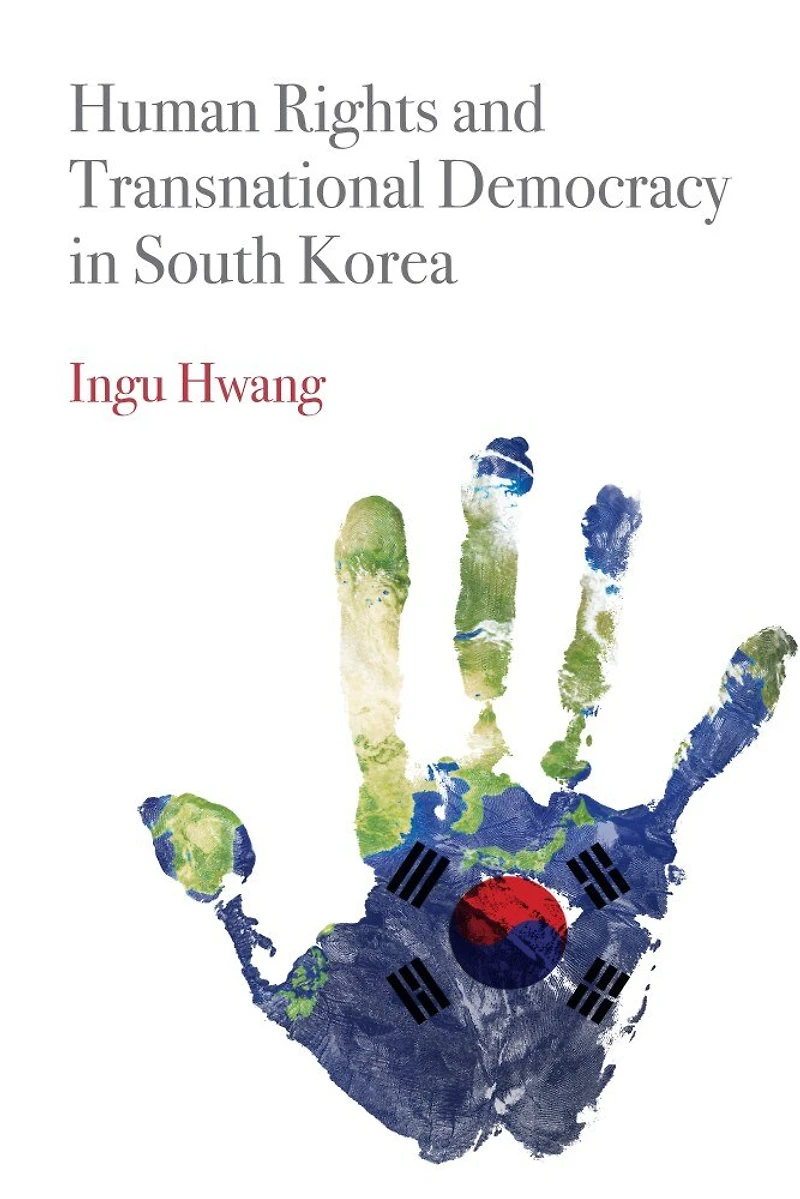
Human Rights and Transnational Democracy in South Korea in Ottawa, ON
Current price: $45.99

Human Rights and Transnational Democracy in South Korea in Ottawa, ON
Current price: $45.99
Loading Inventory...
Size: Paperback
*Product information may vary - to confirm product availability, pricing, shipping and return information please contact Coles
The first account of the historical intersection between South Korea's democratic transition and the global human rights boom in the 1970s
Drawing on previously unused or underutilized archival sources, this book offers the first account of the historical intersection between South Korea's democratic transition and the global human rights boom in the 1970s. It shows how local pro-democracy activists pragmatically engaged with global advocacy groups, especially Amnesty International and the World Council of Churches, to maximize their socioeconomic and political struggles against the backdrop of South Korea's authoritarian industrialization and U.S. hegemony in East Asia. Ingu Hwang details how local prodemocracy protesters were able to translate their sufferings and causes into international human rights claims that highlighted how U.S. Cold War geopolitics impeded democratization in South Korea. In tracing the increasing coalitional ties between local pro-democracy protests and transnational human rights activism, the book also calls attention to the parallel development of counteraction human rights policies by the South Korean regime and US administrations. These counteractions were designed to safeguard the regime's legitimacy and to ensure the US Cold War security consensus. Thus, Hwang argues that local disputes over democratization in South Korea became transnational contestations on human rights through the development of trans-Pacific human rights politics.
Human Rights and Transnational Democracy in South Korea critically engages with studies on global human rights, contemporary Korea, and U.S. Cold War policy. By presenting a bottom-up approach to the shaping of global human rights activism, it contributes to a growing body of literature that challenges European/U.S. centric accounts of human rights advocacy and moves beyond the national and minjung (people's) framework traditionally used to detail Korea's democratic transition.
The first account of the historical intersection between South Korea's democratic transition and the global human rights boom in the 1970s
Drawing on previously unused or underutilized archival sources, this book offers the first account of the historical intersection between South Korea's democratic transition and the global human rights boom in the 1970s. It shows how local pro-democracy activists pragmatically engaged with global advocacy groups, especially Amnesty International and the World Council of Churches, to maximize their socioeconomic and political struggles against the backdrop of South Korea's authoritarian industrialization and U.S. hegemony in East Asia. Ingu Hwang details how local prodemocracy protesters were able to translate their sufferings and causes into international human rights claims that highlighted how U.S. Cold War geopolitics impeded democratization in South Korea. In tracing the increasing coalitional ties between local pro-democracy protests and transnational human rights activism, the book also calls attention to the parallel development of counteraction human rights policies by the South Korean regime and US administrations. These counteractions were designed to safeguard the regime's legitimacy and to ensure the US Cold War security consensus. Thus, Hwang argues that local disputes over democratization in South Korea became transnational contestations on human rights through the development of trans-Pacific human rights politics.
Human Rights and Transnational Democracy in South Korea critically engages with studies on global human rights, contemporary Korea, and U.S. Cold War policy. By presenting a bottom-up approach to the shaping of global human rights activism, it contributes to a growing body of literature that challenges European/U.S. centric accounts of human rights advocacy and moves beyond the national and minjung (people's) framework traditionally used to detail Korea's democratic transition.
You May Also Like









More About Coles at Bayshore Shopping Centre
Coles is renowned for its outstanding customer service and great selection of books. Along with the vast array of magazines, stationary, audio-books, children's literature, fiction, non-fiction and reference books, you can find accessories to make your reading experience more pleasurable. We can recommend the very best in reading today. We will help you search our titles for exactly what you need, and if we do not have it in stock, we will order it for you.
100 Bayshore Dr, Nepean, ON K2B 8C1, Canada
Find Coles at Bayshore Shopping Centre in Ottawa, ON
Visit Coles at Bayshore Shopping Centre in Ottawa, ON