

Give the Gift of Choice!
Too many options? Treat your friends and family to their favourite stores with a Bayshore Shopping Centre gift card, redeemable at participating retailers throughout the centre. Click below to purchase yours today!Purchase HereHome
Humanistic Management the Gig Economy: Dignity, Fairness and Care
Coles
Loading Inventory...
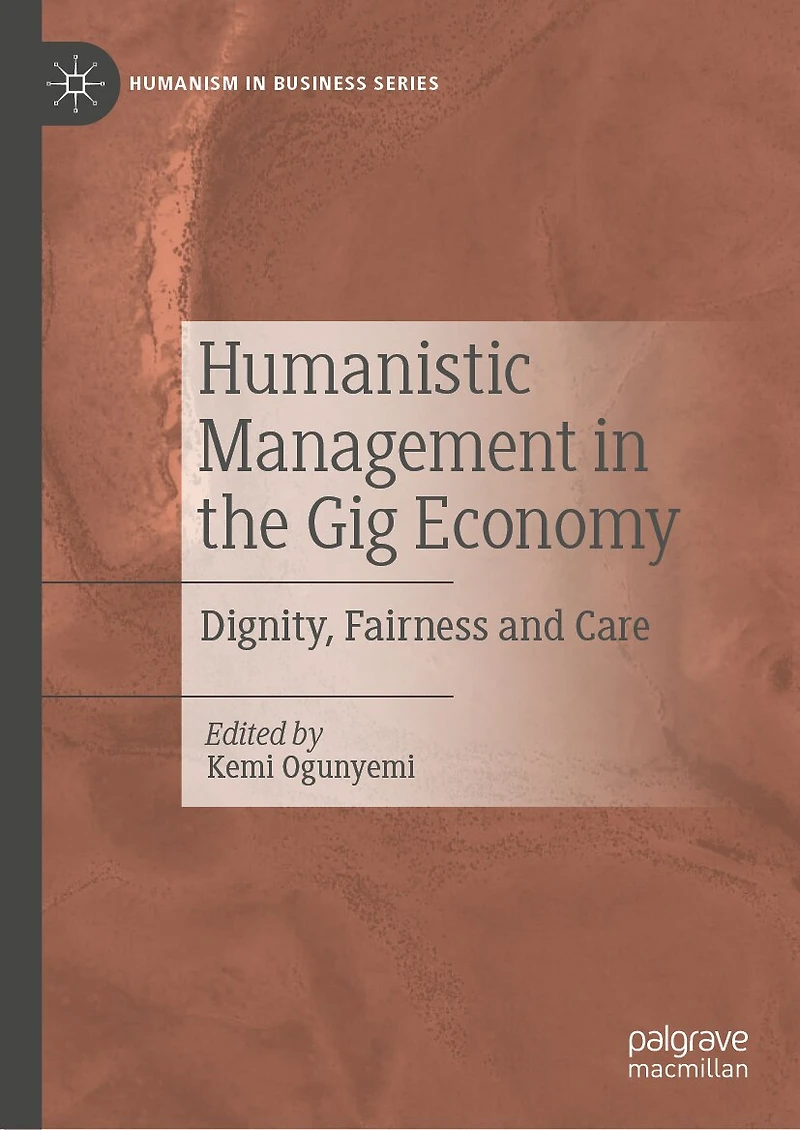
Humanistic Management the Gig Economy: Dignity, Fairness and Care in Ottawa, ON
Current price: $291.95

Humanistic Management the Gig Economy: Dignity, Fairness and Care in Ottawa, ON
Current price: $291.95
Loading Inventory...
Size: Hardcover
*Product information may vary - to confirm product availability, pricing, shipping and return information please contact Coles
Gig-workers are often not regarded as employees by the platforms they work with. Yet they do not always have all the freedoms enjoyed by independent contractors. The world of work is changing, and this is one area in which the new realities need to be better understood in order to promote human dignity, protect the vulnerable and foster flourishing. To achieve this, justice and fairness need to be researched and innovatively translated into new forms of work in diverse ways and in various cultures. This edited collection explores and examines ways in which the humanistic management and fairness considerations help to humanise the way gig-workers are treated, with particular attention paid to economies in the global south. Countries represented in the case study section are Brazil, Colombia, Ecuador, Kenya, Nigeria, South Korea, and Uganda, and both traditional and innovative lenses of fairness and ethics are applied to these new forms of work. The book will be of great interest to scholars and students of work and employment, digital business, human resource management and business ethics.
Gig-workers are often not regarded as employees by the platforms they work with. Yet they do not always have all the freedoms enjoyed by independent contractors. The world of work is changing, and this is one area in which the new realities need to be better understood in order to promote human dignity, protect the vulnerable and foster flourishing. To achieve this, justice and fairness need to be researched and innovatively translated into new forms of work in diverse ways and in various cultures. This edited collection explores and examines ways in which the humanistic management and fairness considerations help to humanise the way gig-workers are treated, with particular attention paid to economies in the global south. Countries represented in the case study section are Brazil, Colombia, Ecuador, Kenya, Nigeria, South Korea, and Uganda, and both traditional and innovative lenses of fairness and ethics are applied to these new forms of work. The book will be of great interest to scholars and students of work and employment, digital business, human resource management and business ethics.
You May Also Like

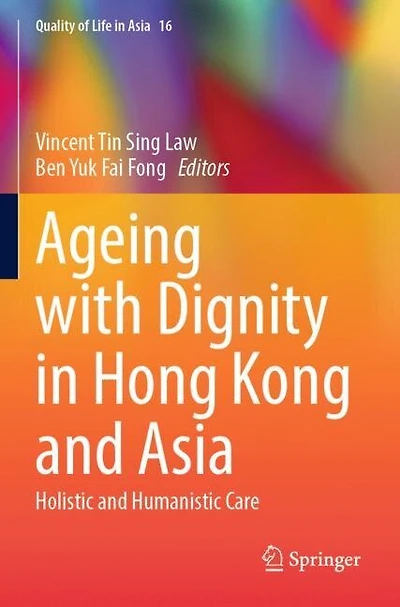









More About Coles at Bayshore Shopping Centre
Coles is renowned for its outstanding customer service and great selection of books. Along with the vast array of magazines, stationary, audio-books, children's literature, fiction, non-fiction and reference books, you can find accessories to make your reading experience more pleasurable. We can recommend the very best in reading today. We will help you search our titles for exactly what you need, and if we do not have it in stock, we will order it for you.
100 Bayshore Dr, Nepean, ON K2B 8C1, Canada
Find Coles at Bayshore Shopping Centre in Ottawa, ON
Visit Coles at Bayshore Shopping Centre in Ottawa, ON