

Give the Gift of Choice!
Too many options? Treat your friends and family to their favourite stores with a Bayshore Shopping Centre gift card, redeemable at participating retailers throughout the centre. Click below to purchase yours today!Purchase HereHome
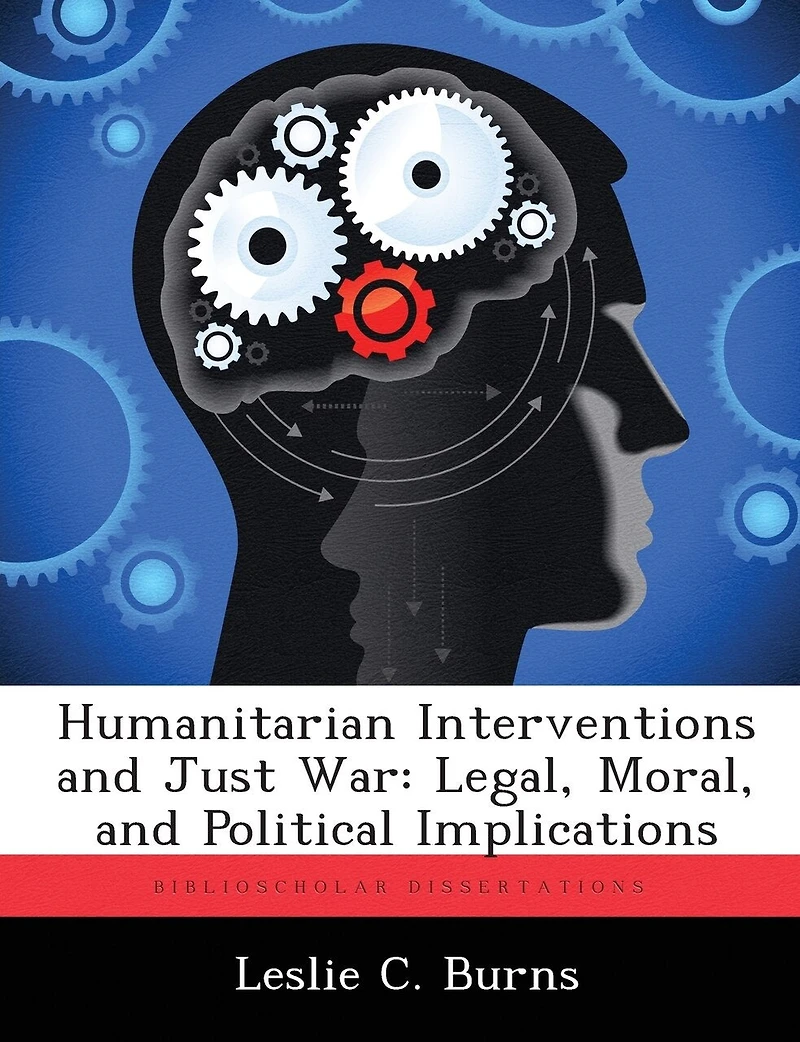
Humanitarian Interventions And Just War: Legal, Moral, And Political Implications
Coles
Loading Inventory...
Humanitarian Interventions And Just War: Legal, Moral, And Political Implications in Ottawa, ON
Current price: $16.94

Humanitarian Interventions And Just War: Legal, Moral, And Political Implications in Ottawa, ON
Current price: $16.94
Loading Inventory...
Size: Paperback
*Product information may vary - to confirm product availability, pricing, shipping and return information please contact Coles
Operation ALLIED FORCE, the NATO air campaign in Kosovo, revealed the legal, moral, and political tensions that leaders must address when contemplating a humanitarian intervention. State sovereignty is protected under Chapter I, Article 2 of the United Nations (UN) Charter. The Charter provides limited specific exceptions for a state to use armed force against another state, with UN Security Council authorization. Meanwhile, a developing body of human rights law and numerous "humanitarian interventions" provide a growing challenge to state sovereignty. Addressed are the international legal issues that emerge when a state uses armed forces to halt gross human rights abuses by another state, as in Operation ALLIED FORCE. The discussion also evaluates the moral and political tensions that occur in humanitarian interventions in the context of the just war tradition. Jus ad bellum principles of just cause, proportionality, reasonable chance of success, and last resort, help determine whether a specific intervention, like Operation ALLIED FORCE, meets just war standards before action occurs. Finally, political considerations constrain the ability of states to consistently intervene when a just cause is present. The US-developed criteria for peacekeeping in Presidential Decision Directive (PDD) 25, and British Prime Minister Tony Blair's five guidelines for intervention are considered in relation to Operation ALLIED FORCE. Recognition of the legal, moral, and political dimensions to humanitarian interventions may help leaders form prudent decisions before committing armed forces to these operations.
Operation ALLIED FORCE, the NATO air campaign in Kosovo, revealed the legal, moral, and political tensions that leaders must address when contemplating a humanitarian intervention. State sovereignty is protected under Chapter I, Article 2 of the United Nations (UN) Charter. The Charter provides limited specific exceptions for a state to use armed force against another state, with UN Security Council authorization. Meanwhile, a developing body of human rights law and numerous "humanitarian interventions" provide a growing challenge to state sovereignty. Addressed are the international legal issues that emerge when a state uses armed forces to halt gross human rights abuses by another state, as in Operation ALLIED FORCE. The discussion also evaluates the moral and political tensions that occur in humanitarian interventions in the context of the just war tradition. Jus ad bellum principles of just cause, proportionality, reasonable chance of success, and last resort, help determine whether a specific intervention, like Operation ALLIED FORCE, meets just war standards before action occurs. Finally, political considerations constrain the ability of states to consistently intervene when a just cause is present. The US-developed criteria for peacekeeping in Presidential Decision Directive (PDD) 25, and British Prime Minister Tony Blair's five guidelines for intervention are considered in relation to Operation ALLIED FORCE. Recognition of the legal, moral, and political dimensions to humanitarian interventions may help leaders form prudent decisions before committing armed forces to these operations.
You May Also Like









More About Coles at Bayshore Shopping Centre
Coles is renowned for its outstanding customer service and great selection of books. Along with the vast array of magazines, stationary, audio-books, children's literature, fiction, non-fiction and reference books, you can find accessories to make your reading experience more pleasurable. We can recommend the very best in reading today. We will help you search our titles for exactly what you need, and if we do not have it in stock, we will order it for you.
100 Bayshore Dr, Nepean, ON K2B 8C1, Canada
Find Coles at Bayshore Shopping Centre in Ottawa, ON
Visit Coles at Bayshore Shopping Centre in Ottawa, ON