

Give the Gift of Choice!
Too many options? Treat your friends and family to their favourite stores with a Bayshore Shopping Centre gift card, redeemable at participating retailers throughout the centre. Click below to purchase yours today!Purchase HereHome
Humanitarian Needs Assessment eBook: The Good Enough Guide
Coles
Loading Inventory...
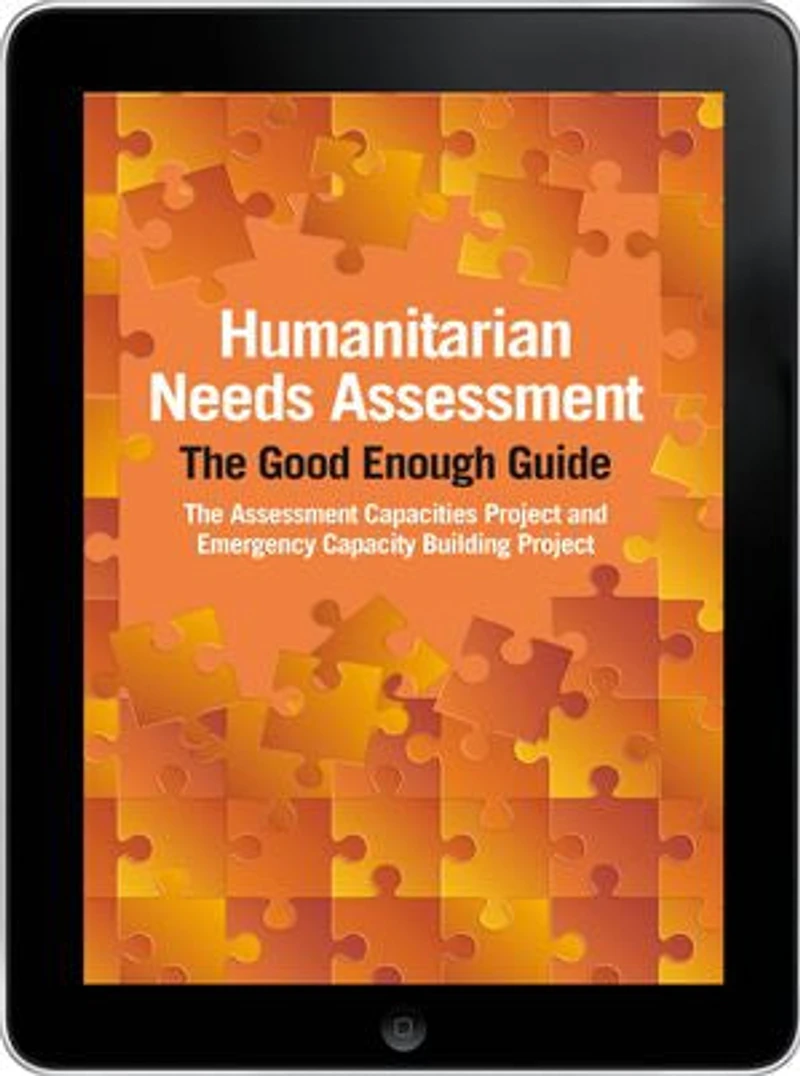
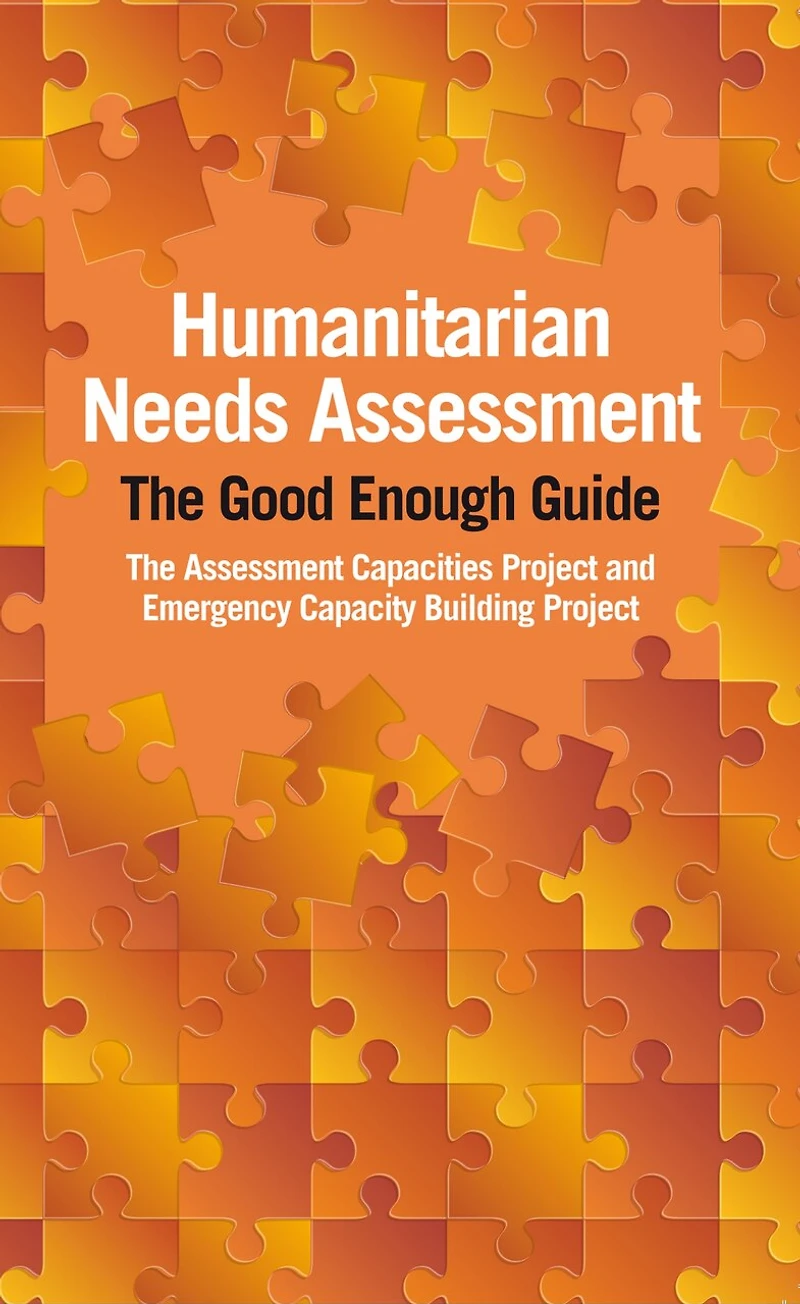
Humanitarian Needs Assessment eBook: The Good Enough Guide in Ottawa, ON
Current price: $16.11

Humanitarian Needs Assessment eBook: The Good Enough Guide in Ottawa, ON
Current price: $16.11
Loading Inventory...
Size: Kobo eBook
*Product information may vary - to confirm product availability, pricing, shipping and return information please contact Coles
What assistance do disaster-affected communities need? This book guides humanitarian field staff in answering this vital question during the early days and weeks following a disaster, when timely and competent assessment is crucial for enabling informed decision making. Needs assessment is essential for programme planning, monitoring and evaluation. In an emergency response, however, a quick and simple approach to needs assessment may be the only practical possibility – in other words, it needs to be ‘good enough’. This guide does not explain every activity needed to carry out an assessment, but it describes the assessment process, and provides a step-by-step guide through the process. It also contains a number of tools and resources that may be helpful when planning or carrying out humanitarian needs assessments. This guide is essential reading for field staff carrying out assessments after a humanitarian crisis; it should also be read by humanitarian policy makers, students, lecturers and researchers.
What assistance do disaster-affected communities need? This book guides humanitarian field staff in answering this vital question during the early days and weeks following a disaster, when timely and competent assessment is crucial for enabling informed decision making. Needs assessment is essential for programme planning, monitoring and evaluation. In an emergency response, however, a quick and simple approach to needs assessment may be the only practical possibility – in other words, it needs to be ‘good enough’. This guide does not explain every activity needed to carry out an assessment, but it describes the assessment process, and provides a step-by-step guide through the process. It also contains a number of tools and resources that may be helpful when planning or carrying out humanitarian needs assessments. This guide is essential reading for field staff carrying out assessments after a humanitarian crisis; it should also be read by humanitarian policy makers, students, lecturers and researchers.
You May Also Like









More About Coles at Bayshore Shopping Centre
Coles is renowned for its outstanding customer service and great selection of books. Along with the vast array of magazines, stationary, audio-books, children's literature, fiction, non-fiction and reference books, you can find accessories to make your reading experience more pleasurable. We can recommend the very best in reading today. We will help you search our titles for exactly what you need, and if we do not have it in stock, we will order it for you.
100 Bayshore Dr, Nepean, ON K2B 8C1, Canada
Find Coles at Bayshore Shopping Centre in Ottawa, ON
Visit Coles at Bayshore Shopping Centre in Ottawa, ON