

Give the Gift of Choice!
Too many options? Treat your friends and family to their favourite stores with a Bayshore Shopping Centre gift card, redeemable at participating retailers throughout the centre. Click below to purchase yours today!Purchase HereHome
HVAC for ARCHITECTS and ARCHITECTURAL ENGINEERS: A Practical Guide to HVAC Design
Coles
Loading Inventory...
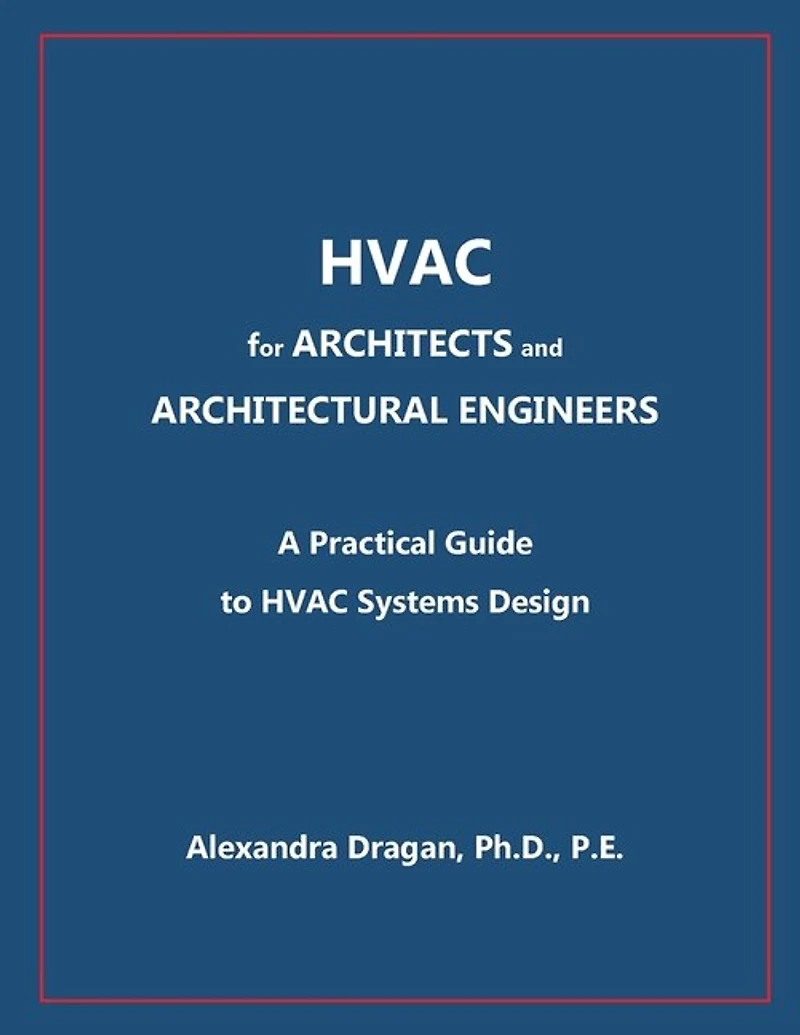
HVAC for ARCHITECTS and ARCHITECTURAL ENGINEERS: A Practical Guide to HVAC Design in Ottawa, ON
Current price: $124.83

HVAC for ARCHITECTS and ARCHITECTURAL ENGINEERS: A Practical Guide to HVAC Design in Ottawa, ON
Current price: $124.83
Loading Inventory...
Size: Paperback
*Product information may vary - to confirm product availability, pricing, shipping and return information please contact Coles
The important premise of this book is that the architects, as coordinators of the building design, must know the principles of the HVAC design and how the HVAC systems can be integrated into the building architectural design at minimum cost and without affecting the aesthetics. Architectural engineers will also find this book useful as the study of the HVAC is part of their curriculum and the book contains the necessary knowledge about HVAC, written in an easy-to-understand manner. This book could also be used by the young Architects preparing for the AIA examination. Specific details about integration of HVAC systems into the architecture of the building are included, such as: - How to position the air outlets for uniform distribution of air; - How to save energy through architectural features of the building; - How to select HVAC systems alternatives from technical point of view; - How to arrive at the best alternative through economic evaluations with emphasis on an abbreviated Life Cycle Cost analysis technique.
The important premise of this book is that the architects, as coordinators of the building design, must know the principles of the HVAC design and how the HVAC systems can be integrated into the building architectural design at minimum cost and without affecting the aesthetics. Architectural engineers will also find this book useful as the study of the HVAC is part of their curriculum and the book contains the necessary knowledge about HVAC, written in an easy-to-understand manner. This book could also be used by the young Architects preparing for the AIA examination. Specific details about integration of HVAC systems into the architecture of the building are included, such as: - How to position the air outlets for uniform distribution of air; - How to save energy through architectural features of the building; - How to select HVAC systems alternatives from technical point of view; - How to arrive at the best alternative through economic evaluations with emphasis on an abbreviated Life Cycle Cost analysis technique.
You May Also Like









More About Coles at Bayshore Shopping Centre
Coles is renowned for its outstanding customer service and great selection of books. Along with the vast array of magazines, stationary, audio-books, children's literature, fiction, non-fiction and reference books, you can find accessories to make your reading experience more pleasurable. We can recommend the very best in reading today. We will help you search our titles for exactly what you need, and if we do not have it in stock, we will order it for you.
100 Bayshore Dr, Nepean, ON K2B 8C1, Canada
Find Coles at Bayshore Shopping Centre in Ottawa, ON
Visit Coles at Bayshore Shopping Centre in Ottawa, ON