

Give the Gift of Choice!
Too many options? Treat your friends and family to their favourite stores with a Bayshore Shopping Centre gift card, redeemable at participating retailers throughout the centre. Click below to purchase yours today!Purchase HereHome
Hydrogen Storage In Wind Turbine Towers
Coles
Loading Inventory...
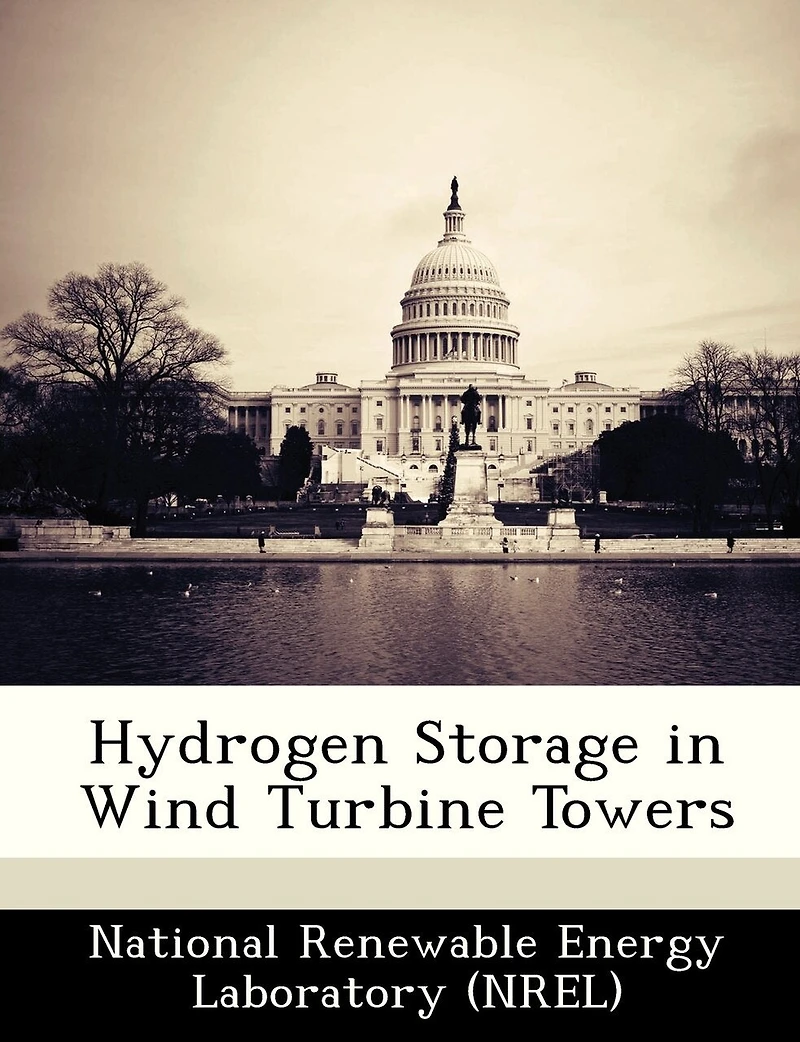
Hydrogen Storage In Wind Turbine Towers in Ottawa, ON
Current price: $18.99

Hydrogen Storage In Wind Turbine Towers in Ottawa, ON
Current price: $18.99
Loading Inventory...
Size: Paperback
*Product information may vary - to confirm product availability, pricing, shipping and return information please contact Coles
Low-cost hydrogen storage is recognized as a cornerstone of a renewables-hydrogen economy. Modern utility-scale wind turbine towers are typically conical steel structures that, in addition to supporting the rotor, could be used to store hydrogen. This study has three objectives: 1) Identify the paramount considerations associated with using a wind turbine tower for hydrogen storage; 2) Propose and analyze a cost-effective design for a hydrogen-storing tower; and 3) Compare the cost of storage in hydrogen towers to the cost of storage in conventional pressure vessels. The paramount considerations associated with a hydrogen tower are corrosion (in the form of hydrogen embrittlement) and structural failure (through bursting or fatigue life degradation). Although hydrogen embrittlement (HE) requires more research, it does not appear to prohibit the use of turbine towers for hydrogen storage. Furthermore, the structural modifications required to store hydrogen in a tower are not cost prohibitive.; We discovered that hydrogen towers have a "crossover pressure" at which their critical mode of failure crosses over from fatigue to bursting. Above the crossover pressure, however, storage costs rise quickly. The most cost-effective hydrogen tower design would use substantially all of its volume for hydrogen storage and be designed at its crossover pressure.
Low-cost hydrogen storage is recognized as a cornerstone of a renewables-hydrogen economy. Modern utility-scale wind turbine towers are typically conical steel structures that, in addition to supporting the rotor, could be used to store hydrogen. This study has three objectives: 1) Identify the paramount considerations associated with using a wind turbine tower for hydrogen storage; 2) Propose and analyze a cost-effective design for a hydrogen-storing tower; and 3) Compare the cost of storage in hydrogen towers to the cost of storage in conventional pressure vessels. The paramount considerations associated with a hydrogen tower are corrosion (in the form of hydrogen embrittlement) and structural failure (through bursting or fatigue life degradation). Although hydrogen embrittlement (HE) requires more research, it does not appear to prohibit the use of turbine towers for hydrogen storage. Furthermore, the structural modifications required to store hydrogen in a tower are not cost prohibitive.; We discovered that hydrogen towers have a "crossover pressure" at which their critical mode of failure crosses over from fatigue to bursting. Above the crossover pressure, however, storage costs rise quickly. The most cost-effective hydrogen tower design would use substantially all of its volume for hydrogen storage and be designed at its crossover pressure.
You May Also Like















More About Coles at Bayshore Shopping Centre
Coles is renowned for its outstanding customer service and great selection of books. Along with the vast array of magazines, stationary, audio-books, children's literature, fiction, non-fiction and reference books, you can find accessories to make your reading experience more pleasurable. We can recommend the very best in reading today. We will help you search our titles for exactly what you need, and if we do not have it in stock, we will order it for you.
100 Bayshore Dr, Nepean, ON K2B 8C1, Canada
Find Coles at Bayshore Shopping Centre in Ottawa, ON
Visit Coles at Bayshore Shopping Centre in Ottawa, ON