

Give the Gift of Choice!
Too many options? Treat your friends and family to their favourite stores with a Bayshore Shopping Centre gift card, redeemable at participating retailers throughout the centre. Click below to purchase yours today!Purchase HereHome
I Ching: Passages 4. twinned (he or she) edition
Coles
Loading Inventory...
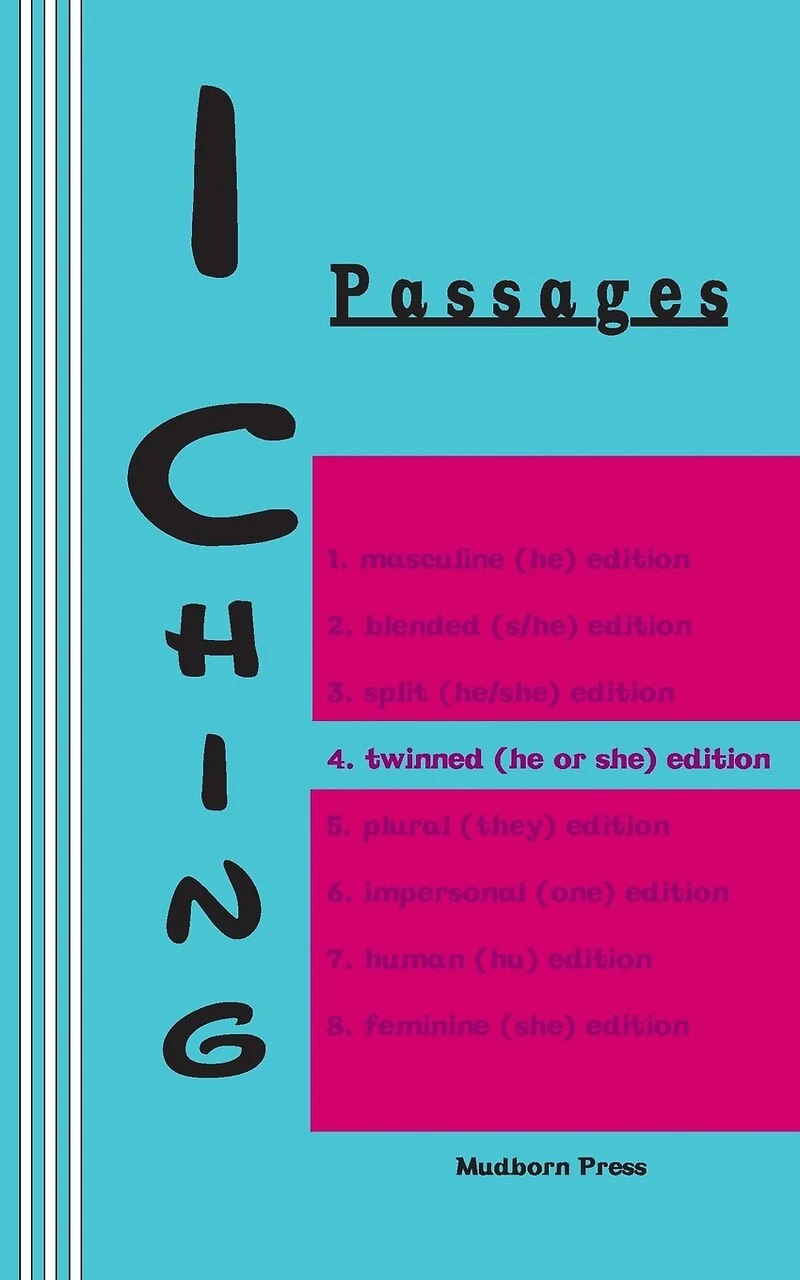
I Ching: Passages 4. twinned (he or she) edition in Ottawa, ON
By None
Current price: $8.18

By None
I Ching: Passages 4. twinned (he or she) edition in Ottawa, ON
Current price: $8.18
Loading Inventory...
Size: Paperback
*Product information may vary - to confirm product availability, pricing, shipping and return information please contact Coles
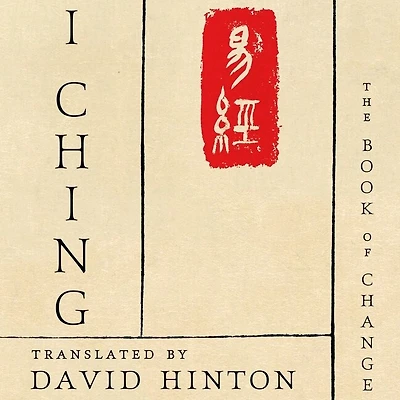
The I Ching gives advice on how to face any life situation, requiring the seeker to cast yarrowsticks or coins to arrive at an "answer." This edition offers yet another "casting" option, the Button Oracle (online only, at www.bandannabooks.com/iching/button.php); and, if that answer's not enough, use the refresh button. Whether you are a believer or not, the I Ching, perhaps the world's oldest book, stands as a remarkable document of human psychology. However, one translation problem has plagued most Western editions, which typically speak of the "exceptional man" or "he" throughout. To translate assuming that the male pronoun serves for everybody is misleading, however. Why? The language it was written in-Chinese-was, like English, nearly devoid of linguistic gender markers for its pronouns (modern Chinese has added some modifications to clarify gender). While academics tussle over, or ignore, the "correct third-person-singular-of-unspecified-gender pronoun" for the English language, this Mudborn Press/Bandanna Books edition offers eight gendered versions of this text for a modern audience. No, there are not eight genders. But the way that you perceive the human condition may differ from others' views-and your own may change over time. How to choose? Answer these questions to find the version you are most comfortable with: Are you all man (using he, him, his), or all woman (she, her, hers)? Or somewhere in between (s/he, him/her, hers/his)? Do you feel like a split personality arguing with yourself (he or she, him or her, his or hers)? - or you feel plural (they, their, theirs)? Or maybe you don't feel strongly one way or the other (asexual: one, one, one's). Or strongly both, as in the shamanic or two-spirit tradition (he-she, her-him, his-hers). Or just as a human (hu, hum, hus). Try more than one version until you reach your comfort zone; you'll learn about yourself as well as about the I Ching. A REMINDER: This "HE" version uses the traditional or old-fashioned "universal he" pronoun for third-person human reference where sex is not specified, or not known. The I Ching frequently speaks of a hypothetical person, the exceptional or uncommon person; it is used here quite often.
The I Ching gives advice on how to face any life situation, requiring the seeker to cast yarrowsticks or coins to arrive at an "answer." This edition offers yet another "casting" option, the Button Oracle (online only, at www.bandannabooks.com/iching/button.php); and, if that answer's not enough, use the refresh button. Whether you are a believer or not, the I Ching, perhaps the world's oldest book, stands as a remarkable document of human psychology. However, one translation problem has plagued most Western editions, which typically speak of the "exceptional man" or "he" throughout. To translate assuming that the male pronoun serves for everybody is misleading, however. Why? The language it was written in-Chinese-was, like English, nearly devoid of linguistic gender markers for its pronouns (modern Chinese has added some modifications to clarify gender). While academics tussle over, or ignore, the "correct third-person-singular-of-unspecified-gender pronoun" for the English language, this Mudborn Press/Bandanna Books edition offers eight gendered versions of this text for a modern audience. No, there are not eight genders. But the way that you perceive the human condition may differ from others' views-and your own may change over time. How to choose? Answer these questions to find the version you are most comfortable with: Are you all man (using he, him, his), or all woman (she, her, hers)? Or somewhere in between (s/he, him/her, hers/his)? Do you feel like a split personality arguing with yourself (he or she, him or her, his or hers)? - or you feel plural (they, their, theirs)? Or maybe you don't feel strongly one way or the other (asexual: one, one, one's). Or strongly both, as in the shamanic or two-spirit tradition (he-she, her-him, his-hers). Or just as a human (hu, hum, hus). Try more than one version until you reach your comfort zone; you'll learn about yourself as well as about the I Ching. A REMINDER: This "HE" version uses the traditional or old-fashioned "universal he" pronoun for third-person human reference where sex is not specified, or not known. The I Ching frequently speaks of a hypothetical person, the exceptional or uncommon person; it is used here quite often.








More About Coles at Bayshore Shopping Centre
Coles is renowned for its outstanding customer service and great selection of books. Along with the vast array of magazines, stationary, audio-books, children's literature, fiction, non-fiction and reference books, you can find accessories to make your reading experience more pleasurable. We can recommend the very best in reading today. We will help you search our titles for exactly what you need, and if we do not have it in stock, we will order it for you.
100 Bayshore Dr, Nepean, ON K2B 8C1, Canada
Find Coles at Bayshore Shopping Centre in Ottawa, ON
Visit Coles at Bayshore Shopping Centre in Ottawa, ON