

Give the Gift of Choice!
Too many options? Treat your friends and family to their favourite stores with a Bayshore Shopping Centre gift card, redeemable at participating retailers throughout the centre. Click below to purchase yours today!Purchase HereHome
Identifying Microbes by Mass Spectrometry Proteomics
Coles
Loading Inventory...
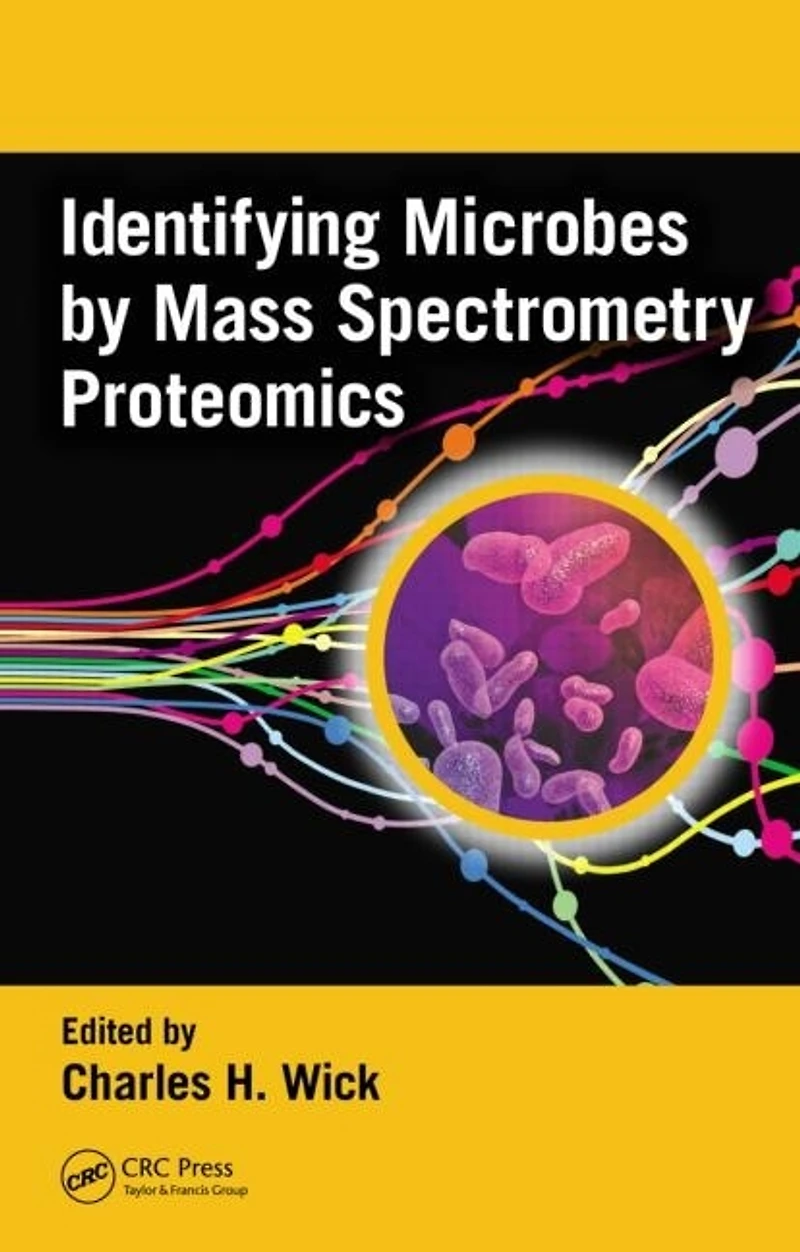
Identifying Microbes by Mass Spectrometry Proteomics in Ottawa, ON
Current price: $392.50

Identifying Microbes by Mass Spectrometry Proteomics in Ottawa, ON
Current price: $392.50
Loading Inventory...
Size: Hardcover
*Product information may vary - to confirm product availability, pricing, shipping and return information please contact Coles
All microbes, including bacteria, viruses, and fungi, can be classified and identified by matching a few peptides known to be unique to each organism. Identifying Microbes by Mass Spectrometry Proteomics describes ways to identify microorganisms using powerful new techniques combining hardware and software and yielding highly accurate methods for detection, identification, and classification of microbes. This straightforward technology can be used to detect unknown and unsequenced microorganisms as well as microbes in complex environmental samples.
This book reviews various mass analyzers used for detection and describes ionization methods frequently used for analysis of microbial constituents, a necessary step in the preparation of mass spectrometry (MS) samples. The text also discusses diverse processing methods, which are used to analyze MS files for matching mass spectral profiles, and examines protein and nucleic acid sequence-based methods capable of classification and identification of microbial agents. The book also covers sample collection methods and specific sample preparation techniques.
The text addresses using computer software and bioinformatics approaches for data mining to discriminate microbes using mass spectrometry proteomics (MSP). It also discusses historical pattern recognition-based methods and other approaches such as analysis of pyrolysis products, chemical ionization (CI) of fatty acid methyl esters, and MALDI-MS. The text contains examples of the application of the MSP technique for microbe detection and includes a survey of suitable and commercially available MS-based platforms. Successful applications include the identification of unknown microbes in honey bees associated with colony collapse disorder and the analysis of virus strains from the 2009 influenza pandemic. The final chapter outlines future trends in these groundbreaking uses of MS techniques, which are fast, not limited by sample type, and show potential in answering complex environmental questions.
All microbes, including bacteria, viruses, and fungi, can be classified and identified by matching a few peptides known to be unique to each organism. Identifying Microbes by Mass Spectrometry Proteomics describes ways to identify microorganisms using powerful new techniques combining hardware and software and yielding highly accurate methods for detection, identification, and classification of microbes. This straightforward technology can be used to detect unknown and unsequenced microorganisms as well as microbes in complex environmental samples.
This book reviews various mass analyzers used for detection and describes ionization methods frequently used for analysis of microbial constituents, a necessary step in the preparation of mass spectrometry (MS) samples. The text also discusses diverse processing methods, which are used to analyze MS files for matching mass spectral profiles, and examines protein and nucleic acid sequence-based methods capable of classification and identification of microbial agents. The book also covers sample collection methods and specific sample preparation techniques.
The text addresses using computer software and bioinformatics approaches for data mining to discriminate microbes using mass spectrometry proteomics (MSP). It also discusses historical pattern recognition-based methods and other approaches such as analysis of pyrolysis products, chemical ionization (CI) of fatty acid methyl esters, and MALDI-MS. The text contains examples of the application of the MSP technique for microbe detection and includes a survey of suitable and commercially available MS-based platforms. Successful applications include the identification of unknown microbes in honey bees associated with colony collapse disorder and the analysis of virus strains from the 2009 influenza pandemic. The final chapter outlines future trends in these groundbreaking uses of MS techniques, which are fast, not limited by sample type, and show potential in answering complex environmental questions.
You May Also Like







More About Coles at Bayshore Shopping Centre
Coles is renowned for its outstanding customer service and great selection of books. Along with the vast array of magazines, stationary, audio-books, children's literature, fiction, non-fiction and reference books, you can find accessories to make your reading experience more pleasurable. We can recommend the very best in reading today. We will help you search our titles for exactly what you need, and if we do not have it in stock, we will order it for you.
100 Bayshore Dr, Nepean, ON K2B 8C1, Canada
Find Coles at Bayshore Shopping Centre in Ottawa, ON
Visit Coles at Bayshore Shopping Centre in Ottawa, ON