

Give the Gift of Choice!
Too many options? Treat your friends and family to their favourite stores with a Bayshore Shopping Centre gift card, redeemable at participating retailers throughout the centre. Click below to purchase yours today!Purchase HereHome
I'll Take That One: An Evacuee's Childhood
Coles
Loading Inventory...
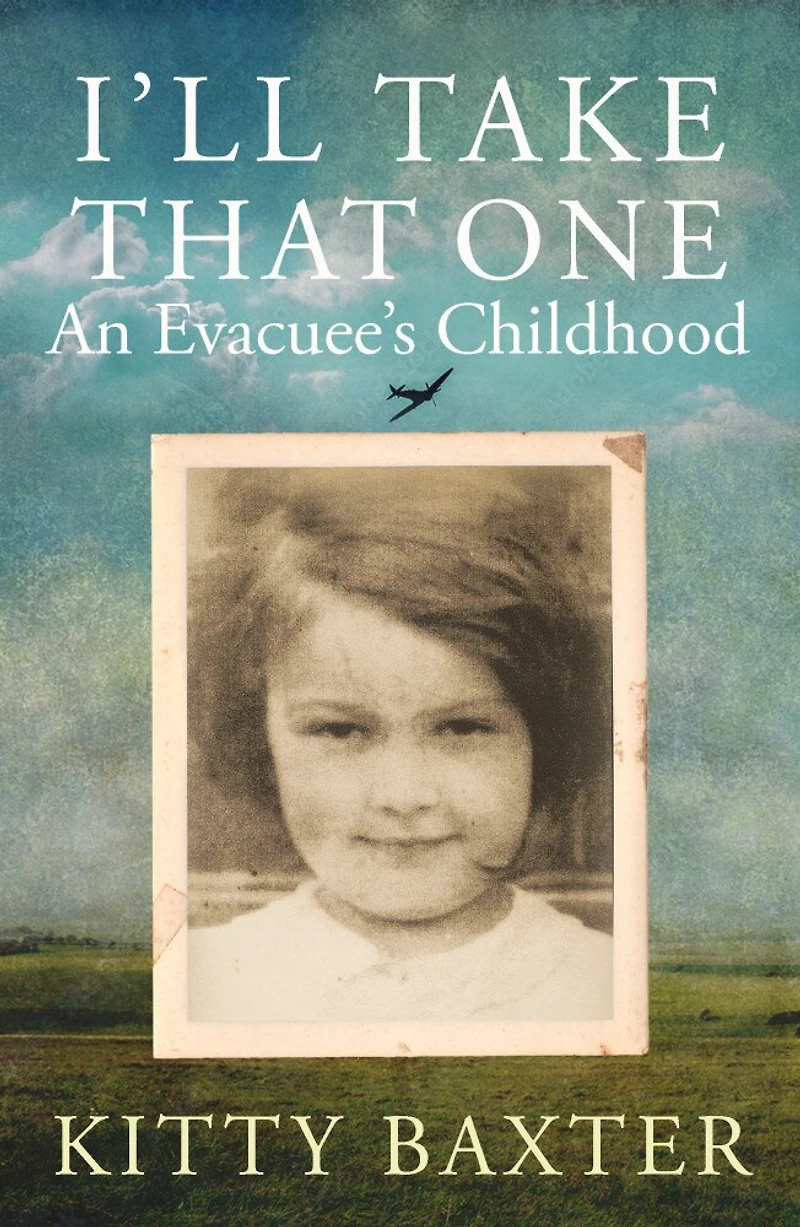
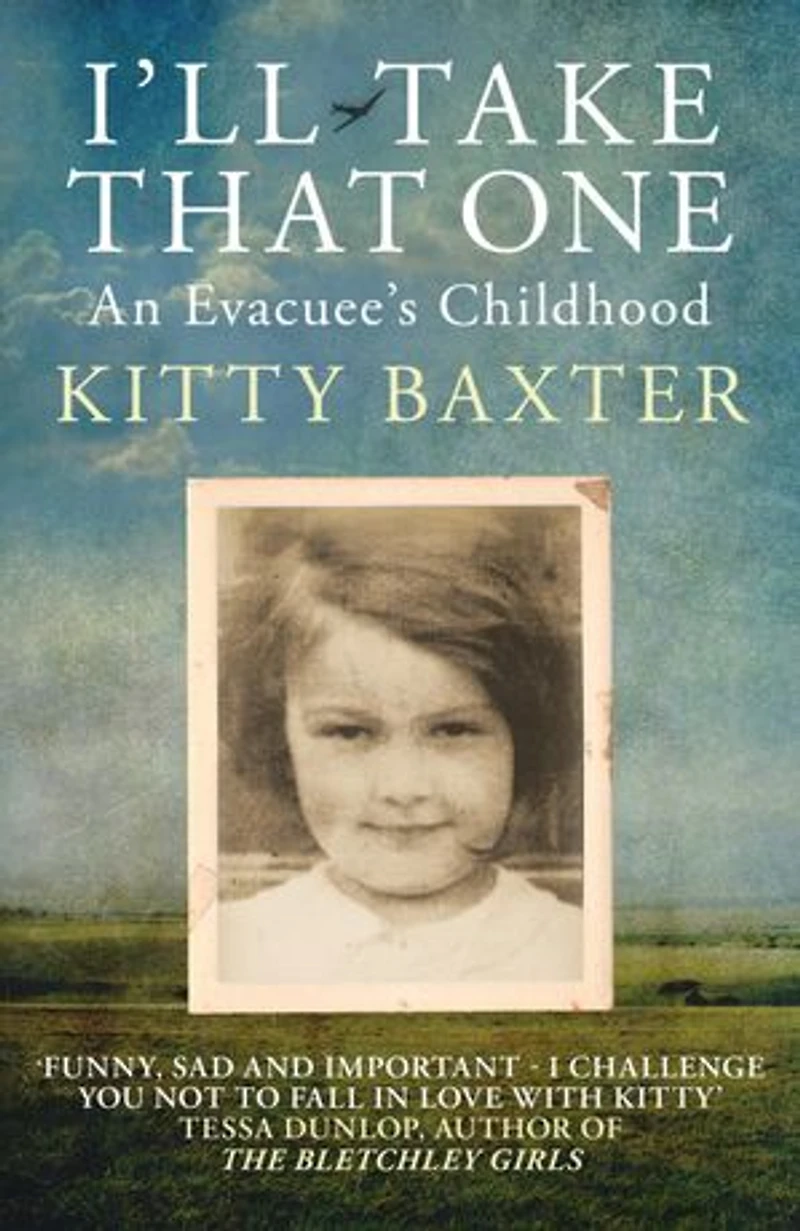
I'll Take That One: An Evacuee's Childhood in Ottawa, ON
Current price: $21.95

I'll Take That One: An Evacuee's Childhood in Ottawa, ON
Current price: $21.95
Loading Inventory...
Size: Hardcover
*Product information may vary - to confirm product availability, pricing, shipping and return information please contact Coles
‘Funny, sad and important - I challenge you not to fall in love with Kitty’ - Tessa Dunlop, author of The Bletchley Girls
Kitty Baxter was born in London in 1930, the daughter of a road sweeper and a cleaner and one of five children. War broke out just as Kitty turned nine and she became one of thousands of children evacuated to the countryside. This would be the first of three times that she was rehoused far from home over the course of the war.
Sometimes treated more like a servant than a small child, Kitty endured gruelling years cut off from her parents rather than a safe haven from war. She recalls her experiences living with strangers’ families in environments radically different to working-class London and how she navigated joyful moments and times of struggle and loss.
One of the last generation of women from this era, Kitty’s voice remains as whip-smart as her irrepressible nine-year-old self who triumphed over the adversity of a most unusual childhood.
‘Funny, sad and important - I challenge you not to fall in love with Kitty’ - Tessa Dunlop, author of The Bletchley Girls
Kitty Baxter was born in London in 1930, the daughter of a road sweeper and a cleaner and one of five children. War broke out just as Kitty turned nine and she became one of thousands of children evacuated to the countryside. This would be the first of three times that she was rehoused far from home over the course of the war.
Sometimes treated more like a servant than a small child, Kitty endured gruelling years cut off from her parents rather than a safe haven from war. She recalls her experiences living with strangers’ families in environments radically different to working-class London and how she navigated joyful moments and times of struggle and loss.
One of the last generation of women from this era, Kitty’s voice remains as whip-smart as her irrepressible nine-year-old self who triumphed over the adversity of a most unusual childhood.
You May Also Like









More About Coles at Bayshore Shopping Centre
Coles is renowned for its outstanding customer service and great selection of books. Along with the vast array of magazines, stationary, audio-books, children's literature, fiction, non-fiction and reference books, you can find accessories to make your reading experience more pleasurable. We can recommend the very best in reading today. We will help you search our titles for exactly what you need, and if we do not have it in stock, we will order it for you.
100 Bayshore Dr, Nepean, ON K2B 8C1, Canada
Find Coles at Bayshore Shopping Centre in Ottawa, ON
Visit Coles at Bayshore Shopping Centre in Ottawa, ON