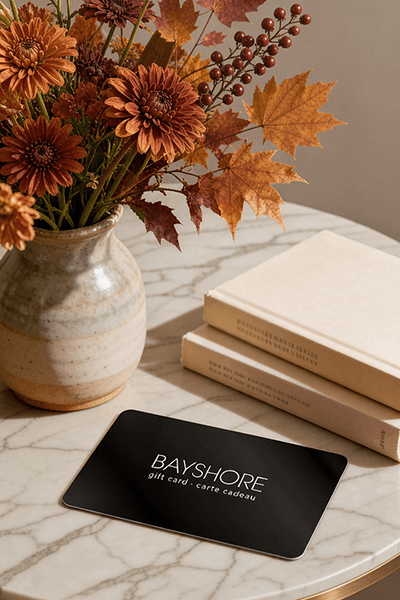
Too many options? Treat your friends and family to their favourite stores with a Bayshore Shopping Centre gift card, redeemable at participating retailers throughout the centre. Click below to purchase yours today!Purchase Here
Coles In the Hotel Abyss: An Hegelian-Marxist Critique of Adorno at Bayshore Shopping Centre in Ottawa, ON
*Product information may vary - to confirm product availability, pricing, shipping and return information please contact Coles
This book is a critical analysis of a selection of Adorno’s work framed by four essential concerns: 1) Adorno’s method of analysis; 2) the absence of a theory of social change; 3) the relationship of his approach to the dialectics of Hegel and Marx, particularly, to others in and around the Frankfurt School (Benjamin, Kracauer, Marcuse), and in contrast to scholars such as Lukács and Bloch; and 4) Adorno’s use of his approach with respect to jazz, popular music, radio and pro-fascist propaganda of the 1930s and 40s as an instrument to disparage the working class. The argument is not an affirmation of Adorno’s work, but argues against the significance of aspects of his theoretical perspective.
This book is a critical analysis of a selection of Adorno’s work framed by four essential concerns: 1) Adorno’s method of analysis; 2) the absence of a theory of social change; 3) the relationship of his approach to the dialectics of Hegel and Marx, particularly, to others in and around the Frankfurt School (Benjamin, Kracauer, Marcuse), and in contrast to scholars such as Lukács and Bloch; and 4) Adorno’s use of his approach with respect to jazz, popular music, radio and pro-fascist propaganda of the 1930s and 40s as an instrument to disparage the working class. The argument is not an affirmation of Adorno’s work, but argues against the significance of aspects of his theoretical perspective.
Coles is renowned for its outstanding customer service and great selection of books. Along with the vast array of magazines, stationary, audio-books, children's literature, fiction, non-fiction and reference books, you can find accessories to make your reading experience more pleasurable. We can recommend the very best in reading today. We will help you search our titles for exactly what you need, and if we do not have it in stock, we will order it for you.