

Give the Gift of Choice!
Too many options? Treat your friends and family to their favourite stores with a Bayshore Shopping Centre gift card, redeemable at participating retailers throughout the centre. Click below to purchase yours today!Purchase HereHome
Incarceration and Regime Change: European Prisons during after the Second World War
Coles
Loading Inventory...

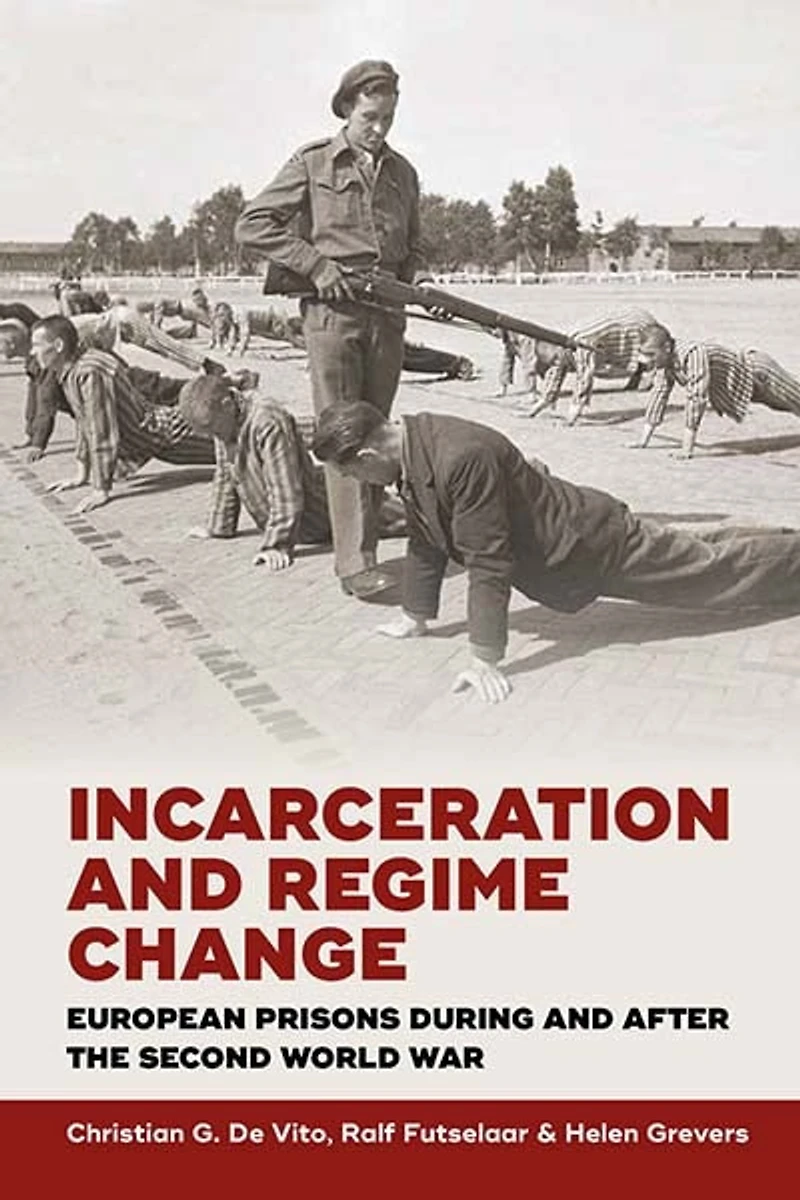
Incarceration and Regime Change: European Prisons during after the Second World War in Ottawa, ON
Current price: $24.99
Original price: $31.15

Incarceration and Regime Change: European Prisons during after the Second World War in Ottawa, ON
Current price: $24.99
Original price: $31.15
Loading Inventory...
Size: Kobo eBook
*Product information may vary - to confirm product availability, pricing, shipping and return information please contact Coles
Political instability is nearly always accompanied by fuller prisons, and this was particularly true during the “long” Second World War, when military mobilization, social disorder, wrenching political changes, and shifting national boundaries swelled the ranks of the imprisoned and broadened the carceral reach of the state. This volume brings together theoretically sophisticated, empirically rich studies of key transitional moments that transformed the scope and nature of European prisons during and after the war. It depicts the complex interactions of both penal and administrative institutions with the men and women who experienced internment, imprisonment, and detention at a time when these categories were in perpetual flux.
Political instability is nearly always accompanied by fuller prisons, and this was particularly true during the “long” Second World War, when military mobilization, social disorder, wrenching political changes, and shifting national boundaries swelled the ranks of the imprisoned and broadened the carceral reach of the state. This volume brings together theoretically sophisticated, empirically rich studies of key transitional moments that transformed the scope and nature of European prisons during and after the war. It depicts the complex interactions of both penal and administrative institutions with the men and women who experienced internment, imprisonment, and detention at a time when these categories were in perpetual flux.
You May Also Like














More About Coles at Bayshore Shopping Centre
Coles is renowned for its outstanding customer service and great selection of books. Along with the vast array of magazines, stationary, audio-books, children's literature, fiction, non-fiction and reference books, you can find accessories to make your reading experience more pleasurable. We can recommend the very best in reading today. We will help you search our titles for exactly what you need, and if we do not have it in stock, we will order it for you.
100 Bayshore Dr, Nepean, ON K2B 8C1, Canada
Find Coles at Bayshore Shopping Centre in Ottawa, ON
Visit Coles at Bayshore Shopping Centre in Ottawa, ON