

Give the Gift of Choice!
Too many options? Treat your friends and family to their favourite stores with a Bayshore Shopping Centre gift card, redeemable at participating retailers throughout the centre. Click below to purchase yours today!Purchase HereHome
Indigenous Autocracy: Power, Race, and Resources Porfirian Tlaxcala, Mexico
Coles
Loading Inventory...
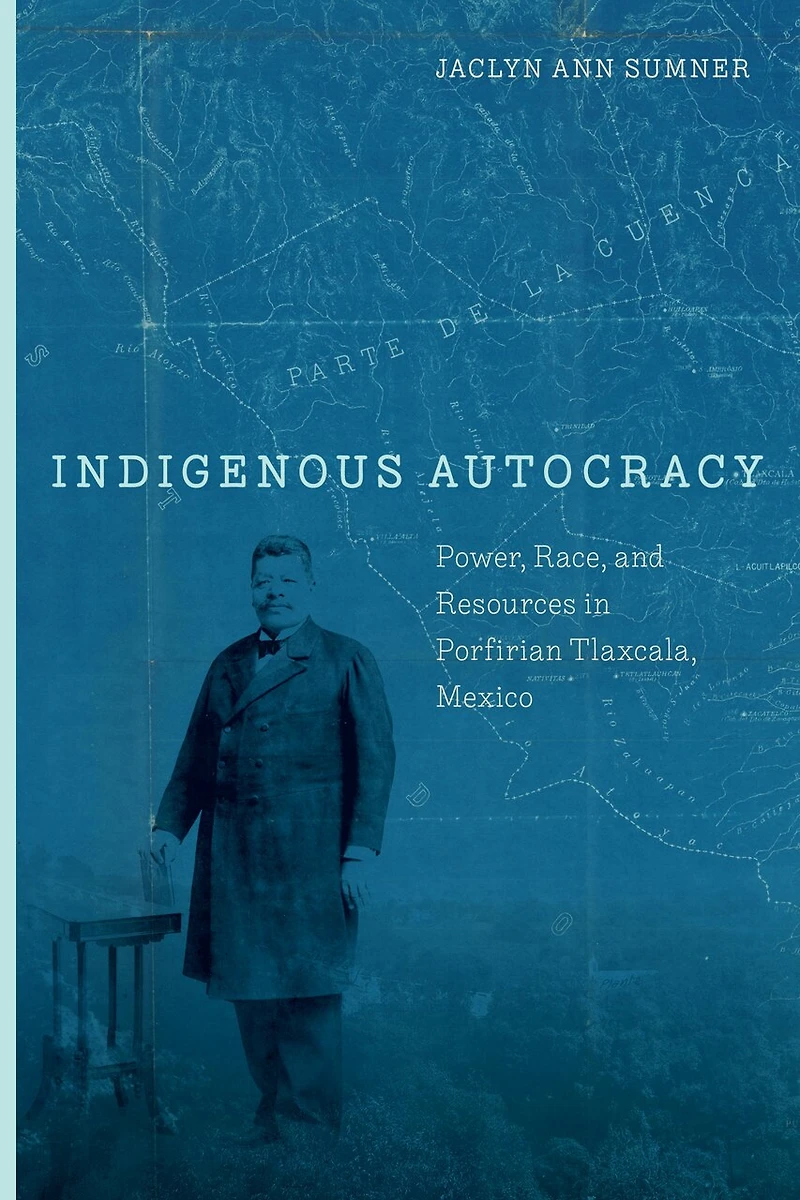
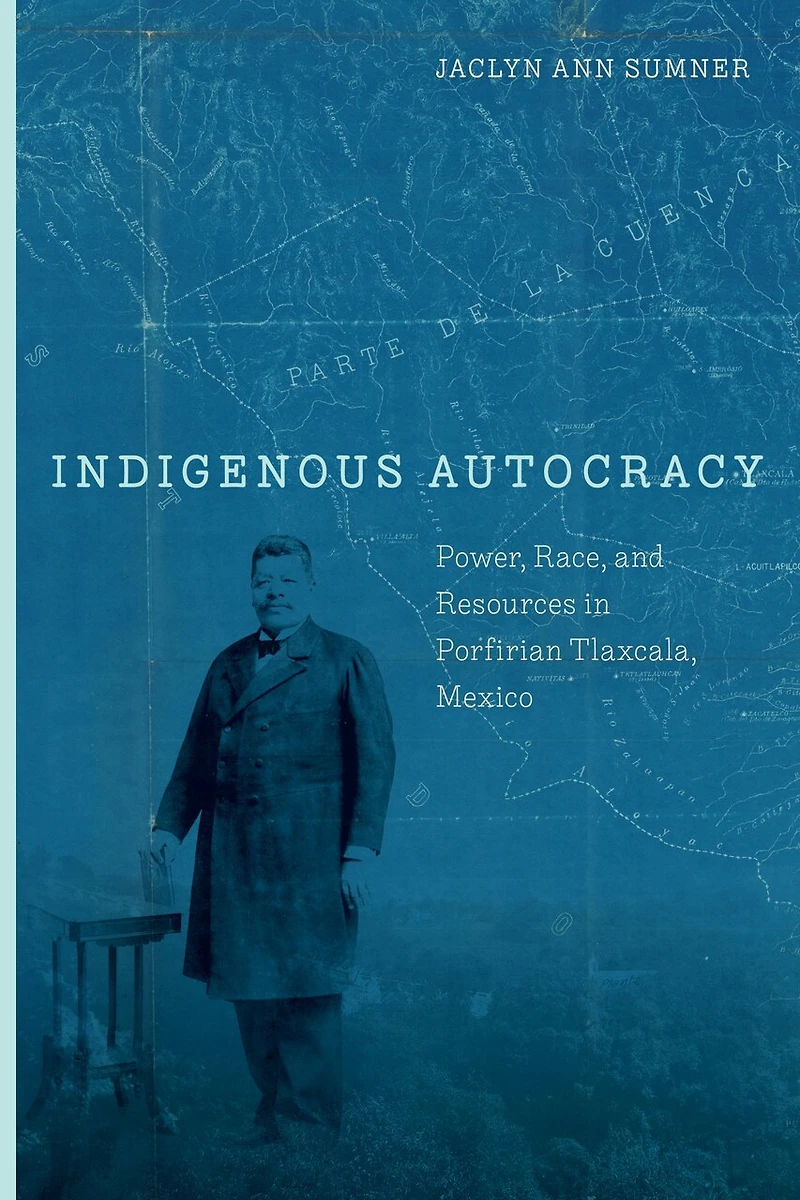
Indigenous Autocracy: Power, Race, and Resources Porfirian Tlaxcala, Mexico in Ottawa, ON
Current price: $150.99

Indigenous Autocracy: Power, Race, and Resources Porfirian Tlaxcala, Mexico in Ottawa, ON
Current price: $150.99
Loading Inventory...
Size: Hardcover
*Product information may vary - to confirm product availability, pricing, shipping and return information please contact Coles
When General Porfirio Díaz assumed power in 1876, he ushered in Mexico's first prolonged period of political stability and national economic growth—though "progress" came at the cost of democracy. Indigenous Autocracy presents a new story about how regional actors negotiated between national authoritarian rule and local circumstances by explaining how an Indigenous person held state-level power in Mexico during the thirty-five-year dictatorship that preceded the Mexican Revolution (the Porfiriato ), and the apogee of scientific racism across Latin America.
Although he was one of few recognizably Indigenous persons in office, Próspero Cahuantzi of Tlaxcala kept his position (1885–1911) longer than any other gubernatorial appointee under Porfirio Díaz's transformative but highly oppressive dictatorship (1876–1911). Cahuantzi leveraged his identity and his region's Indigenous heritage to ingratiate himself to Díaz and other nation-building elites. Locally, Cahuantzi navigated between national directives aimed at modernizing Mexico, often at the expense of the impoverished rural majority, and strategic management of Tlaxcala's natural resources—in particular, balancing growing industrial demand for water with the needs of the local population. Jaclyn Ann Sumner shows how this intermediary actor brokered national expectations and local conditions to maintain state power, challenging the idea that governors during the Porfirian dictatorship were little more than provincial stewards who repressed dissent. Drawing upon documentation from more than a dozen Mexican archives, the book brings Porfirian-era Mexico into critical conversations about race and environmental politics in Latin America.
When General Porfirio Díaz assumed power in 1876, he ushered in Mexico's first prolonged period of political stability and national economic growth—though "progress" came at the cost of democracy. Indigenous Autocracy presents a new story about how regional actors negotiated between national authoritarian rule and local circumstances by explaining how an Indigenous person held state-level power in Mexico during the thirty-five-year dictatorship that preceded the Mexican Revolution (the Porfiriato ), and the apogee of scientific racism across Latin America.
Although he was one of few recognizably Indigenous persons in office, Próspero Cahuantzi of Tlaxcala kept his position (1885–1911) longer than any other gubernatorial appointee under Porfirio Díaz's transformative but highly oppressive dictatorship (1876–1911). Cahuantzi leveraged his identity and his region's Indigenous heritage to ingratiate himself to Díaz and other nation-building elites. Locally, Cahuantzi navigated between national directives aimed at modernizing Mexico, often at the expense of the impoverished rural majority, and strategic management of Tlaxcala's natural resources—in particular, balancing growing industrial demand for water with the needs of the local population. Jaclyn Ann Sumner shows how this intermediary actor brokered national expectations and local conditions to maintain state power, challenging the idea that governors during the Porfirian dictatorship were little more than provincial stewards who repressed dissent. Drawing upon documentation from more than a dozen Mexican archives, the book brings Porfirian-era Mexico into critical conversations about race and environmental politics in Latin America.
You May Also Like










More About Coles at Bayshore Shopping Centre
Coles is renowned for its outstanding customer service and great selection of books. Along with the vast array of magazines, stationary, audio-books, children's literature, fiction, non-fiction and reference books, you can find accessories to make your reading experience more pleasurable. We can recommend the very best in reading today. We will help you search our titles for exactly what you need, and if we do not have it in stock, we will order it for you.
100 Bayshore Dr, Nepean, ON K2B 8C1, Canada
Find Coles at Bayshore Shopping Centre in Ottawa, ON
Visit Coles at Bayshore Shopping Centre in Ottawa, ON