

Give the Gift of Choice!
Too many options? Treat your friends and family to their favourite stores with a Bayshore Shopping Centre gift card, redeemable at participating retailers throughout the centre. Click below to purchase yours today!Purchase HereHome
Indigenous Diplomacy and the Rights of Peoples: Achieving UN Recognition
Coles
Loading Inventory...
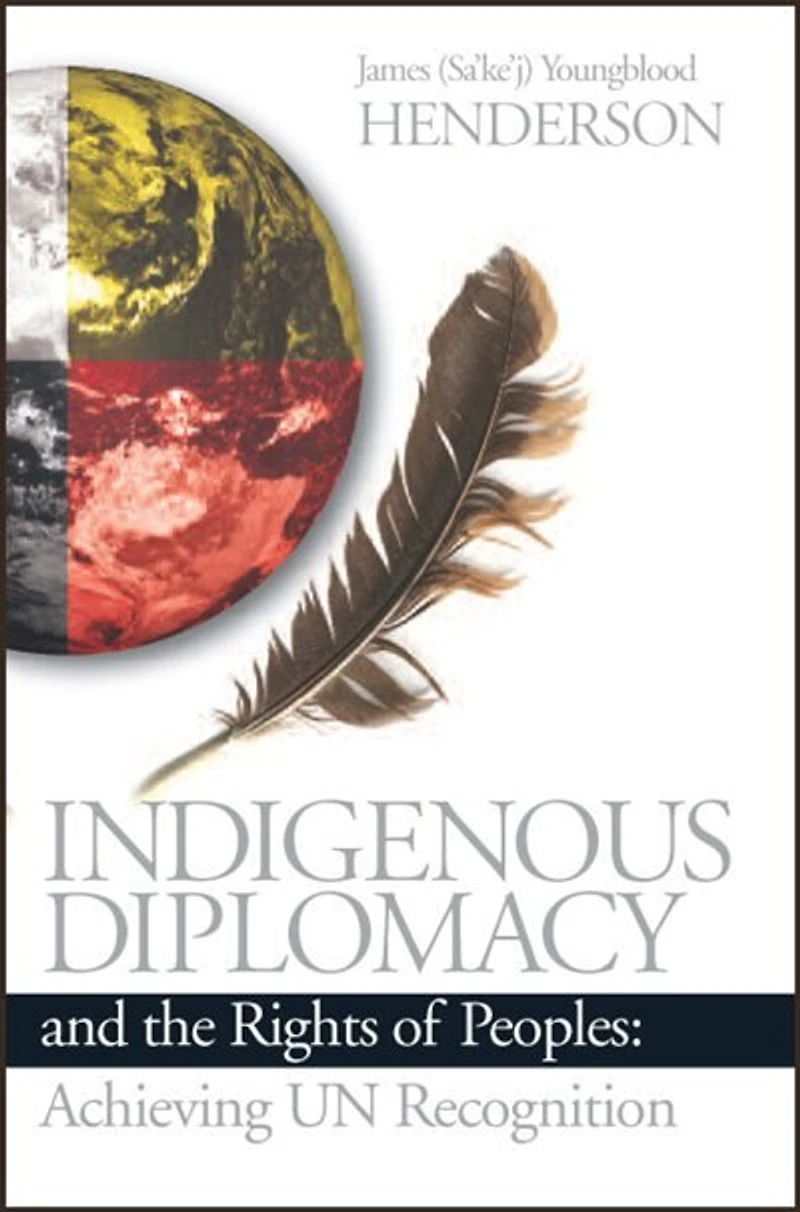
Indigenous Diplomacy and the Rights of Peoples: Achieving UN Recognition in Ottawa, ON
Current price: $29.50

Indigenous Diplomacy and the Rights of Peoples: Achieving UN Recognition in Ottawa, ON
Current price: $29.50
Loading Inventory...
Size: Paperback
*Product information may vary - to confirm product availability, pricing, shipping and return information please contact Coles
Despite centuries of sustained attacks against their collective existence, Indigenous peoples represent over 5,000 languages and cultures in more than 70 nations on six continents. Most have also retained social, cultural, economic, and political characteristics distinct from other segments of national populations, yet recognition of their humanity and rights has been a struggle to achieve. Based on personal experience, James (Sa’ke’j) Youngblood Henderson documents the generation-long struggle that led to the adoption of the Declaration of the Rights of Indigenous Peoples by the United Nations General Assembly. Henderson puts the Declaration and the struggles of Indigenous peoples in a wider context, outlining the rise of international law and how it was shaped by European ideas, the rise of the UN, and post-WWII agreements focusing on human rights.
Despite centuries of sustained attacks against their collective existence, Indigenous peoples represent over 5,000 languages and cultures in more than 70 nations on six continents. Most have also retained social, cultural, economic, and political characteristics distinct from other segments of national populations, yet recognition of their humanity and rights has been a struggle to achieve. Based on personal experience, James (Sa’ke’j) Youngblood Henderson documents the generation-long struggle that led to the adoption of the Declaration of the Rights of Indigenous Peoples by the United Nations General Assembly. Henderson puts the Declaration and the struggles of Indigenous peoples in a wider context, outlining the rise of international law and how it was shaped by European ideas, the rise of the UN, and post-WWII agreements focusing on human rights.
You May Also Like








More About Coles at Bayshore Shopping Centre
Coles is renowned for its outstanding customer service and great selection of books. Along with the vast array of magazines, stationary, audio-books, children's literature, fiction, non-fiction and reference books, you can find accessories to make your reading experience more pleasurable. We can recommend the very best in reading today. We will help you search our titles for exactly what you need, and if we do not have it in stock, we will order it for you.
100 Bayshore Dr, Nepean, ON K2B 8C1, Canada
Find Coles at Bayshore Shopping Centre in Ottawa, ON
Visit Coles at Bayshore Shopping Centre in Ottawa, ON