

Give the Gift of Choice!
Too many options? Treat your friends and family to their favourite stores with a Bayshore Shopping Centre gift card, redeemable at participating retailers throughout the centre. Click below to purchase yours today!Purchase HereHome
Indigenous STEM Education: Perspectives from the Pacific Islands, Americas and Asia, Volume 1
Coles
Loading Inventory...
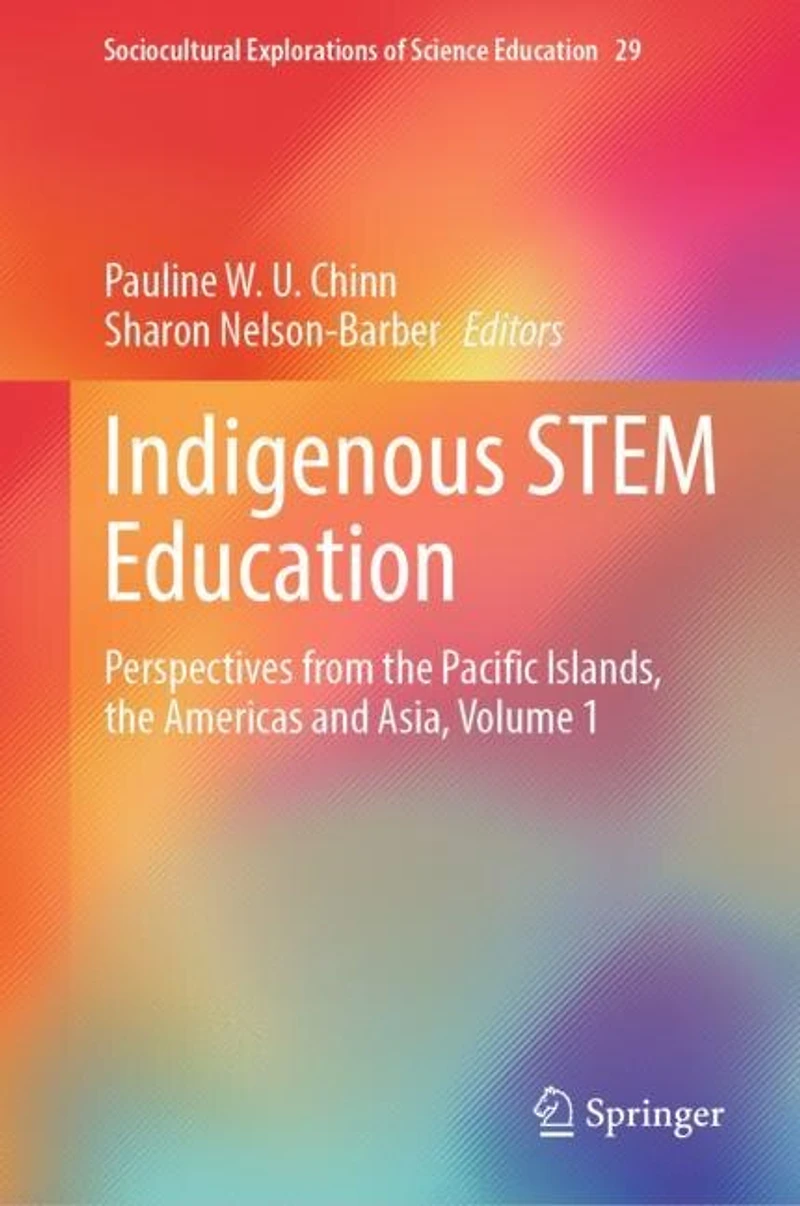
Indigenous STEM Education: Perspectives from the Pacific Islands, Americas and Asia, Volume 1 in Ottawa, ON
Current price: $262.95

Indigenous STEM Education: Perspectives from the Pacific Islands, Americas and Asia, Volume 1 in Ottawa, ON
Current price: $262.95
Loading Inventory...
Size: Hardcover
*Product information may vary - to confirm product availability, pricing, shipping and return information please contact Coles
This book explores ways in which systems of local knowledge, culture, language, and place are foundational for STEM learning in Indigenous communities. It is part of a two-volume set that addresses a growing recognition that interdisciplinary, cross-cultural and cross-hybrid learning is needed to foster scientific and cultural understandings and move STEM learning toward more just and sustainable futures for all learners.
Themes of learning from elders, through practice and place-based experiences are found across cultures. Each chapter brings a uniquely Indigenous point of view to the educational transformation efforts taking place in these distinct contexts. In the second section the chapters use authentic research stories to explain many ways in which regular disciplinary policies and practices can impact Indigenous students' participation in STEM classrooms and careers. These authors go on to discuss ways to engage learners in STEM activities that are interconnected with the contexts of their lives.
This book explores ways in which systems of local knowledge, culture, language, and place are foundational for STEM learning in Indigenous communities. It is part of a two-volume set that addresses a growing recognition that interdisciplinary, cross-cultural and cross-hybrid learning is needed to foster scientific and cultural understandings and move STEM learning toward more just and sustainable futures for all learners.
Themes of learning from elders, through practice and place-based experiences are found across cultures. Each chapter brings a uniquely Indigenous point of view to the educational transformation efforts taking place in these distinct contexts. In the second section the chapters use authentic research stories to explain many ways in which regular disciplinary policies and practices can impact Indigenous students' participation in STEM classrooms and careers. These authors go on to discuss ways to engage learners in STEM activities that are interconnected with the contexts of their lives.
You May Also Like








More About Coles at Bayshore Shopping Centre
Coles is renowned for its outstanding customer service and great selection of books. Along with the vast array of magazines, stationary, audio-books, children's literature, fiction, non-fiction and reference books, you can find accessories to make your reading experience more pleasurable. We can recommend the very best in reading today. We will help you search our titles for exactly what you need, and if we do not have it in stock, we will order it for you.
100 Bayshore Dr, Nepean, ON K2B 8C1, Canada
Find Coles at Bayshore Shopping Centre in Ottawa, ON
Visit Coles at Bayshore Shopping Centre in Ottawa, ON