

Give the Gift of Choice!
Too many options? Treat your friends and family to their favourite stores with a Bayshore Shopping Centre gift card, redeemable at participating retailers throughout the centre. Click below to purchase yours today!Purchase HereHome
Influx and Efflux: Writing Up with Walt Whitman
Coles
Loading Inventory...
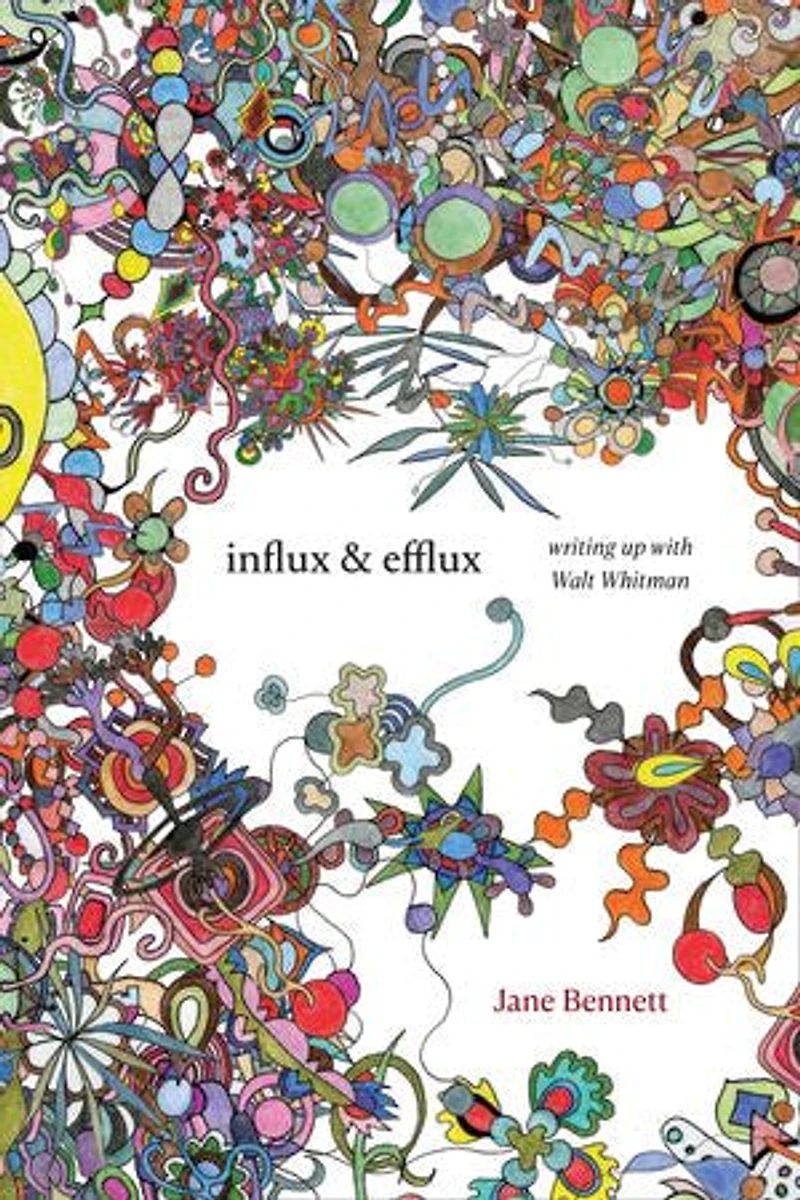
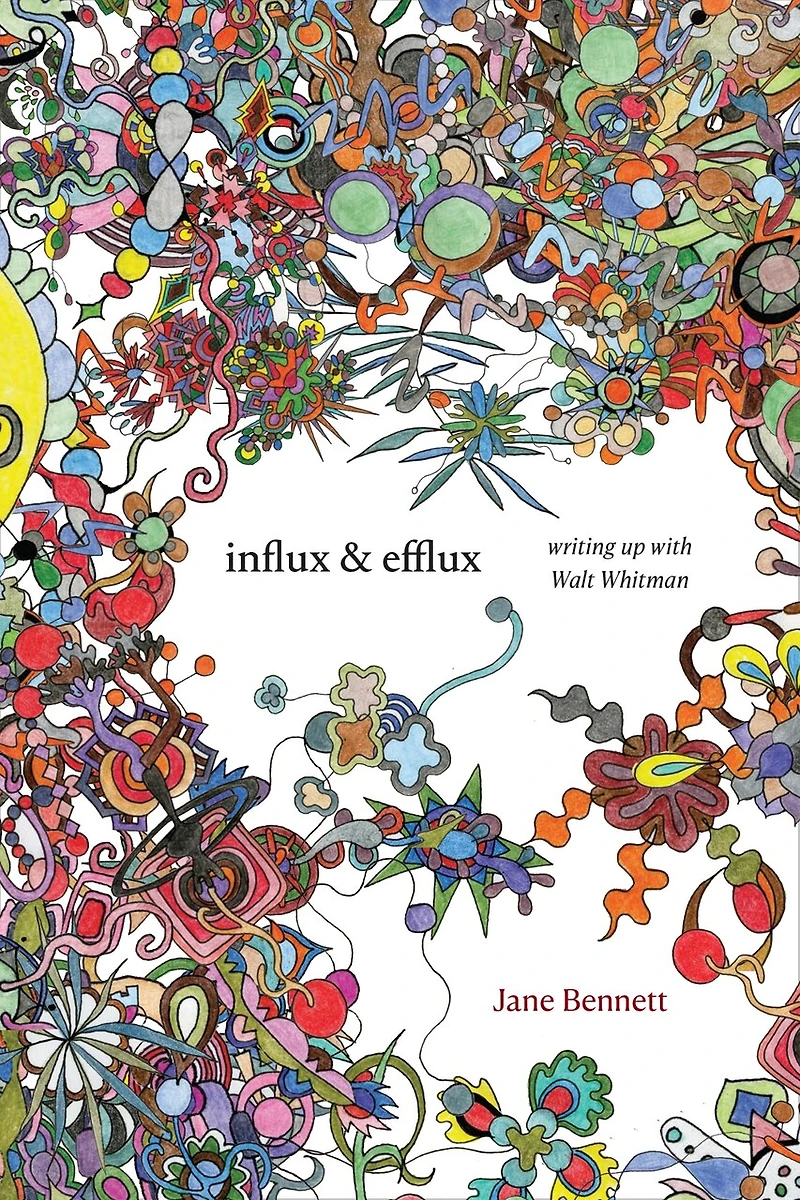
Influx and Efflux: Writing Up with Walt Whitman in Ottawa, ON
Current price: $29.29
Original price: $36.58

Influx and Efflux: Writing Up with Walt Whitman in Ottawa, ON
Current price: $29.29
Original price: $36.58
Loading Inventory...
Size: Kobo eBook
*Product information may vary - to confirm product availability, pricing, shipping and return information please contact Coles
In influx & efflux Jane Bennett pursues a question that was bracketed in her book Vibrant Matter : how to think about human agency in a world teeming with powerful nonhuman influences? "Influx & efflux"-a phrase borrowed from Whitman's "Song of Myself"-refers to everyday movements whereby outside influences enter bodies, infuse and confuse their organization, and then exit, themselves having been transformed into something new. How to describe the human efforts involved in that process? What kinds of "I" and "we" can live well and act effectively in a world of so many other lively materialities? Drawing upon Whitman, Thoreau, Caillois, Whitehead, and other poetic writers, Bennett links a nonanthropocentric model of self to a radically egalitarian pluralism and also to a syntax and style of writing appropriate to the entangled world in which we live. The book tries to enact the uncanny process by which we "write up" influences that pervade, enable, and disrupt us.
In influx & efflux Jane Bennett pursues a question that was bracketed in her book Vibrant Matter : how to think about human agency in a world teeming with powerful nonhuman influences? "Influx & efflux"-a phrase borrowed from Whitman's "Song of Myself"-refers to everyday movements whereby outside influences enter bodies, infuse and confuse their organization, and then exit, themselves having been transformed into something new. How to describe the human efforts involved in that process? What kinds of "I" and "we" can live well and act effectively in a world of so many other lively materialities? Drawing upon Whitman, Thoreau, Caillois, Whitehead, and other poetic writers, Bennett links a nonanthropocentric model of self to a radically egalitarian pluralism and also to a syntax and style of writing appropriate to the entangled world in which we live. The book tries to enact the uncanny process by which we "write up" influences that pervade, enable, and disrupt us.
You May Also Like












More About Coles at Bayshore Shopping Centre
Coles is renowned for its outstanding customer service and great selection of books. Along with the vast array of magazines, stationary, audio-books, children's literature, fiction, non-fiction and reference books, you can find accessories to make your reading experience more pleasurable. We can recommend the very best in reading today. We will help you search our titles for exactly what you need, and if we do not have it in stock, we will order it for you.
100 Bayshore Dr, Nepean, ON K2B 8C1, Canada
Find Coles at Bayshore Shopping Centre in Ottawa, ON
Visit Coles at Bayshore Shopping Centre in Ottawa, ON