

Give the Gift of Choice!
Too many options? Treat your friends and family to their favourite stores with a Bayshore Shopping Centre gift card, redeemable at participating retailers throughout the centre. Click below to purchase yours today!Purchase HereHome
Informal Governance and Crisis: How Invisible, Everyday Tactics of Survival Affect, Reshape Redesign Policymaking
Coles
Loading Inventory...
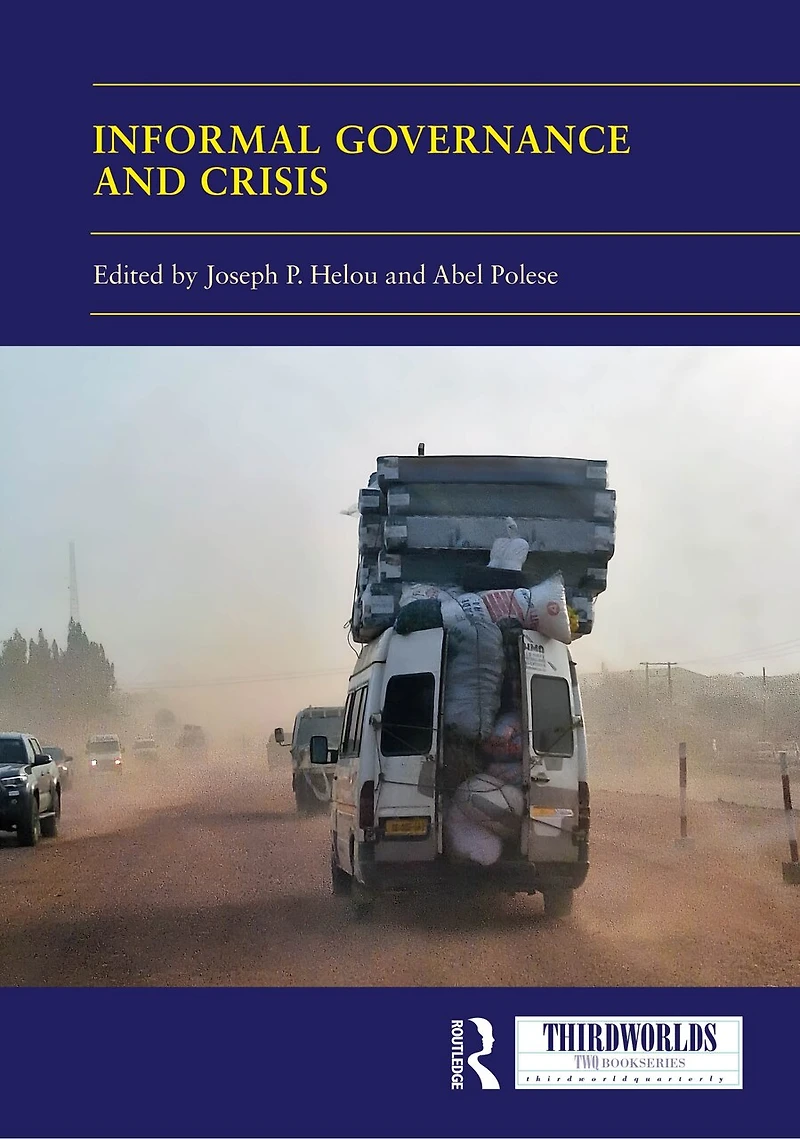
Informal Governance and Crisis: How Invisible, Everyday Tactics of Survival Affect, Reshape Redesign Policymaking in Ottawa, ON
Current price: $296.50

Informal Governance and Crisis: How Invisible, Everyday Tactics of Survival Affect, Reshape Redesign Policymaking in Ottawa, ON
Current price: $296.50
Loading Inventory...
Size: Hardcover
*Product information may vary - to confirm product availability, pricing, shipping and return information please contact Coles
This book examines the impact of crises on people's lives by walking readers through several case studies from Mali, Niger, Kyrgyzstan, Brazil, Lebanon, Libya and several escape routes and entry points, such as the Canary Islands, into the European Union. It conceptualizes crises as events that disrupt political, social and economic orders, thus breeding ad hoc people-led solutions. These informal people-led coping strategies re-define existing social systems, challenge political orders and transcend the pre-existing economic conventions. The book shows how an increase in the volume and scope of informal practices, in addition to the repetition of these practices over time, culminate in the rise of new modes of governance. It reveals that these new governance dynamics can supplant the state, defy state rules and/or complement state capacities. The analyses and reflections in this book provide policy makers with valuable insights to deal with governance in post-crises situations, while recognizing the role of informality in this process. This book is intended for students, researchers and scholars of migration studies, political science, and international relations. It also offers valuable perspectives for policymakers and practitioners working in the fields of governance, crisis management, and social development. The chapters in this book were originally published as a special issue of Third World Quarterly.
This book examines the impact of crises on people's lives by walking readers through several case studies from Mali, Niger, Kyrgyzstan, Brazil, Lebanon, Libya and several escape routes and entry points, such as the Canary Islands, into the European Union. It conceptualizes crises as events that disrupt political, social and economic orders, thus breeding ad hoc people-led solutions. These informal people-led coping strategies re-define existing social systems, challenge political orders and transcend the pre-existing economic conventions. The book shows how an increase in the volume and scope of informal practices, in addition to the repetition of these practices over time, culminate in the rise of new modes of governance. It reveals that these new governance dynamics can supplant the state, defy state rules and/or complement state capacities. The analyses and reflections in this book provide policy makers with valuable insights to deal with governance in post-crises situations, while recognizing the role of informality in this process. This book is intended for students, researchers and scholars of migration studies, political science, and international relations. It also offers valuable perspectives for policymakers and practitioners working in the fields of governance, crisis management, and social development. The chapters in this book were originally published as a special issue of Third World Quarterly.
You May Also Like












More About Coles at Bayshore Shopping Centre
Coles is renowned for its outstanding customer service and great selection of books. Along with the vast array of magazines, stationary, audio-books, children's literature, fiction, non-fiction and reference books, you can find accessories to make your reading experience more pleasurable. We can recommend the very best in reading today. We will help you search our titles for exactly what you need, and if we do not have it in stock, we will order it for you.
100 Bayshore Dr, Nepean, ON K2B 8C1, Canada
Find Coles at Bayshore Shopping Centre in Ottawa, ON
Visit Coles at Bayshore Shopping Centre in Ottawa, ON