

Give the Gift of Choice!
Too many options? Treat your friends and family to their favourite stores with a Bayshore Shopping Centre gift card, redeemable at participating retailers throughout the centre. Click below to purchase yours today!Purchase HereHome
Insect Oil as a Source of Nutraceuticals: New Approaches the Food and Feed Industry
Coles
Loading Inventory...
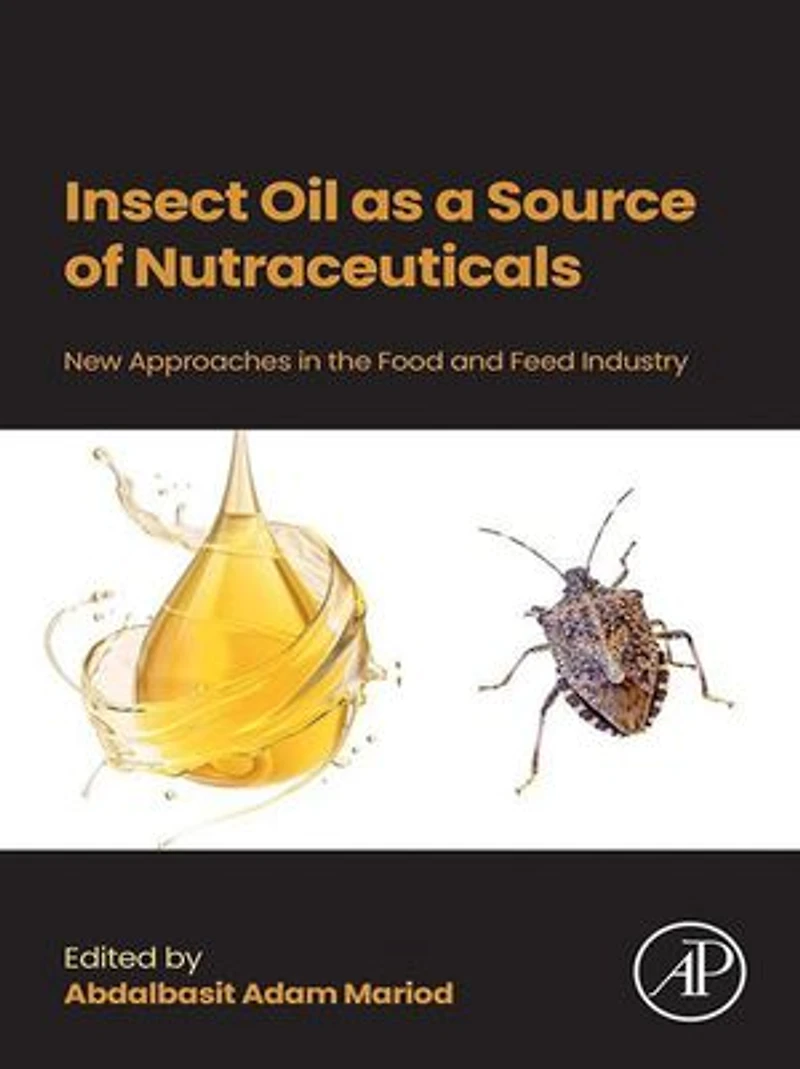

Insect Oil as a Source of Nutraceuticals: New Approaches the Food and Feed Industry in Ottawa, ON
Current price: $192.79
Original price: $240.99

Insect Oil as a Source of Nutraceuticals: New Approaches the Food and Feed Industry in Ottawa, ON
Current price: $192.79
Original price: $240.99
Loading Inventory...
Size: Kobo eBook
*Product information may vary - to confirm product availability, pricing, shipping and return information please contact Coles
Insect Oil as a Source of Nutraceuticals: New Approaches in the Food and Feed Industry explores how removing insect lipids can be an important source to not only ensure future food security, but also show the many uses of how insect oil can be a fat replacer in food, medicine, pharmaceuticals, and cosmetics. While edible insect species are harvested in large numbers to contribute to food security, and as a source of alternative animal protein, their oil has not been seen in all parts of the world as part of the human diet. With more than 1,900 types of edible insects that can be consumed as food, and the fact that edible insects comprise of approximately 20% fat, the second most abundant nutrient after protein, this book is a welcomed addition on the topic.
Explores fat, an insect&s second most abundant nutrient
Analyzes the potential of this fat for an alternative oil in food
Highlights insect oil&s fat for nutritional, functional, and medicinal purposes
Identifies the aroma patterns and quality characteristics of edible insect oils and foods best suited for use
Insect Oil as a Source of Nutraceuticals: New Approaches in the Food and Feed Industry explores how removing insect lipids can be an important source to not only ensure future food security, but also show the many uses of how insect oil can be a fat replacer in food, medicine, pharmaceuticals, and cosmetics. While edible insect species are harvested in large numbers to contribute to food security, and as a source of alternative animal protein, their oil has not been seen in all parts of the world as part of the human diet. With more than 1,900 types of edible insects that can be consumed as food, and the fact that edible insects comprise of approximately 20% fat, the second most abundant nutrient after protein, this book is a welcomed addition on the topic.
Explores fat, an insect&s second most abundant nutrient
Analyzes the potential of this fat for an alternative oil in food
Highlights insect oil&s fat for nutritional, functional, and medicinal purposes
Identifies the aroma patterns and quality characteristics of edible insect oils and foods best suited for use
You May Also Like












More About Coles at Bayshore Shopping Centre
Coles is renowned for its outstanding customer service and great selection of books. Along with the vast array of magazines, stationary, audio-books, children's literature, fiction, non-fiction and reference books, you can find accessories to make your reading experience more pleasurable. We can recommend the very best in reading today. We will help you search our titles for exactly what you need, and if we do not have it in stock, we will order it for you.
100 Bayshore Dr, Nepean, ON K2B 8C1, Canada
Find Coles at Bayshore Shopping Centre in Ottawa, ON
Visit Coles at Bayshore Shopping Centre in Ottawa, ON