

Give the Gift of Choice!
Too many options? Treat your friends and family to their favourite stores with a Bayshore Shopping Centre gift card, redeemable at participating retailers throughout the centre. Click below to purchase yours today!Purchase HereHome
Inside the UN Security Council: Legitimation Practices and Darfur
Coles
Loading Inventory...
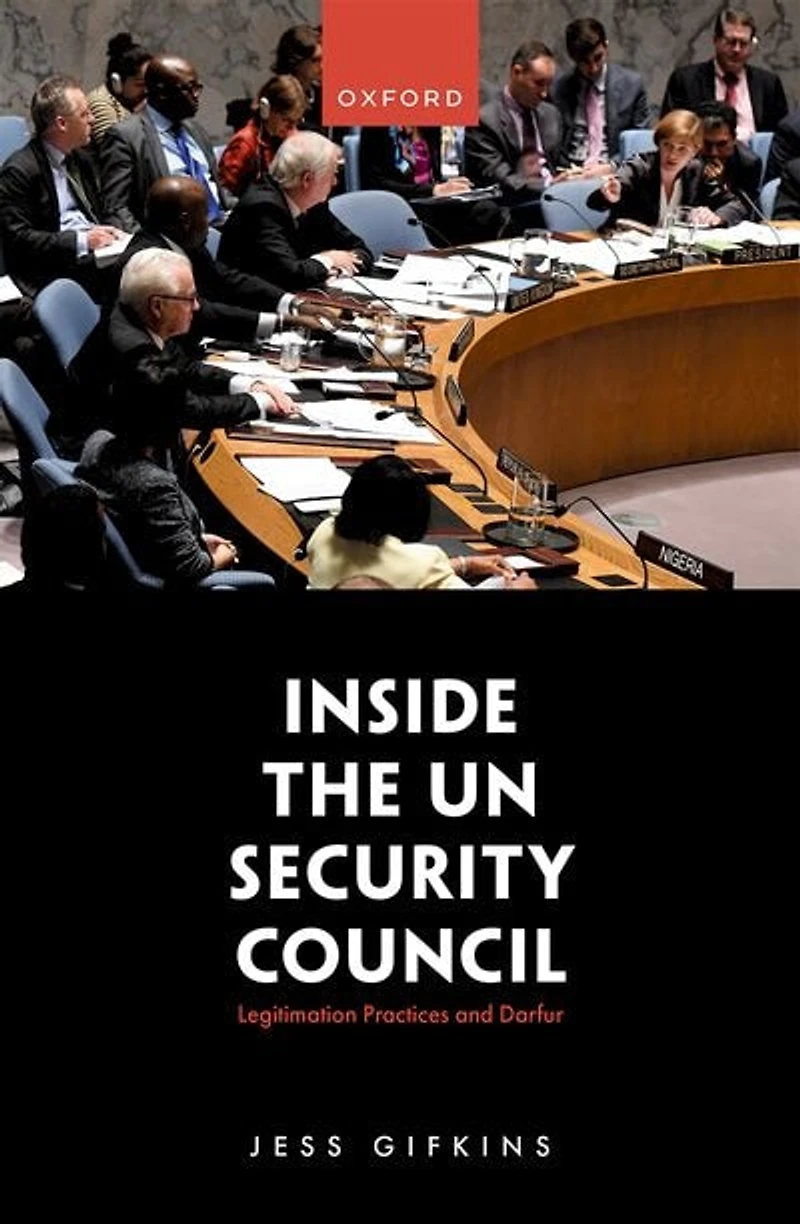
Inside the UN Security Council: Legitimation Practices and Darfur in Ottawa, ON
Current price: $175.00

Inside the UN Security Council: Legitimation Practices and Darfur in Ottawa, ON
Current price: $175.00
Loading Inventory...
Size: Hardcover
*Product information may vary - to confirm product availability, pricing, shipping and return information please contact Coles
UN Security Council decisions impact billions of people and yet its formal rules are minimal and tell us little about how decisions are made. Instead, informal, and often unwritten practices, form the basis of negotiations. Inside the UN Security Council analyses informal practices within Security Council decision-making, both in general and focused on the case of Darfur in the west of Sudan, to pull back the curtain on decision-making. Security Council negotiations on Darfur are analyzed in depth across issue areas of agenda-setting, sanctions, referral to the International Criminal Court, and peacekeeping. One way of understanding these informal practices is via the lens of legitimation. This is a useful approach because it brings to the fore the ways in which states seek legitimacy for themselves, and for Security Council decisions, as part of the negotiation process. Inside the UN Security Council introduces and develops the concept of legitimation practices to analyse the UN Security Council's decision-making. Legitimation practices shape the process and outcome of negotiations in two different ways. Internal legitimation practices, which relate to the legitimation of Security Council decisions, such as prioritizing unanimity, constrain and enable the text of resolutions. External legitimation practices such as 'doing something', even when it is known that it cannot be implemented, relate to the legitimation of actors in the negotiations and shape whether decisions can be reached at all. Foregrounding legitimation practices sheds light on seemingly contradictory moments within Security Council decision-making, such as the United States enabling the referral of the situation in Darfur to the International Criminal Court, despite its longstanding objections to the court and the capacity to veto the decision. The book draws on a wide range of primary and secondary sources, including original interviews with key decision-makers, to show that legitimation practices are an integral aspect of Security Council negotiations.
UN Security Council decisions impact billions of people and yet its formal rules are minimal and tell us little about how decisions are made. Instead, informal, and often unwritten practices, form the basis of negotiations. Inside the UN Security Council analyses informal practices within Security Council decision-making, both in general and focused on the case of Darfur in the west of Sudan, to pull back the curtain on decision-making. Security Council negotiations on Darfur are analyzed in depth across issue areas of agenda-setting, sanctions, referral to the International Criminal Court, and peacekeeping. One way of understanding these informal practices is via the lens of legitimation. This is a useful approach because it brings to the fore the ways in which states seek legitimacy for themselves, and for Security Council decisions, as part of the negotiation process. Inside the UN Security Council introduces and develops the concept of legitimation practices to analyse the UN Security Council's decision-making. Legitimation practices shape the process and outcome of negotiations in two different ways. Internal legitimation practices, which relate to the legitimation of Security Council decisions, such as prioritizing unanimity, constrain and enable the text of resolutions. External legitimation practices such as 'doing something', even when it is known that it cannot be implemented, relate to the legitimation of actors in the negotiations and shape whether decisions can be reached at all. Foregrounding legitimation practices sheds light on seemingly contradictory moments within Security Council decision-making, such as the United States enabling the referral of the situation in Darfur to the International Criminal Court, despite its longstanding objections to the court and the capacity to veto the decision. The book draws on a wide range of primary and secondary sources, including original interviews with key decision-makers, to show that legitimation practices are an integral aspect of Security Council negotiations.
You May Also Like














More About Coles at Bayshore Shopping Centre
Coles is renowned for its outstanding customer service and great selection of books. Along with the vast array of magazines, stationary, audio-books, children's literature, fiction, non-fiction and reference books, you can find accessories to make your reading experience more pleasurable. We can recommend the very best in reading today. We will help you search our titles for exactly what you need, and if we do not have it in stock, we will order it for you.
100 Bayshore Dr, Nepean, ON K2B 8C1, Canada
Find Coles at Bayshore Shopping Centre in Ottawa, ON
Visit Coles at Bayshore Shopping Centre in Ottawa, ON